
Let's be real about what changes in your thirties
Your lemon vibrator didn't get weaker. You just got pickier, which is infinitely better. The sensations that felt revelatory at 22 might feel like background noise now, and that's not a loss. It's information. Your body is telling you that pleasure has depth, texture, and intention. Most of us weren't trained to listen to that signal until our thirties.
Here's the thing: your early twenties were ruled by novelty and anxiety. Novelty made everything feel intense. Anxiety kept you from relaxing enough to notice what actually felt good versus what felt like it was supposed to feel good. By your thirties, both of those things shift. The intensity you're after changes shape entirely.
The neuroscience behind the shift
When you discover lemon vibrators young, the novelty alone triggers dopamine. New toy, new sensation, new permission to explore your own body. That neurological spike is powerful and real. But dopamine doesn't sustain pleasure. It sustains excitement. Once the novelty metabolizes, you're left with the actual sensation, and that's where things get interesting.
In your thirties, your prefrontal cortex is fully developed. This is the part of your brain that processes intention, context, and meaning. A lemon clitoral vibrator in your thirties isn't just stimulation. It's a deliberate choice to prioritize your own pleasure in a life that's gotten exponentially more complicated. That mental shift rewires the whole experience.
Your body also has more data than it did at 22. It knows what rhythm works, what pressure lands, how long it takes to build. You're not experimenting blindly anymore. You're optimizing based on evidence you've gathered from years of your own body. That's not boring. That's mastery.
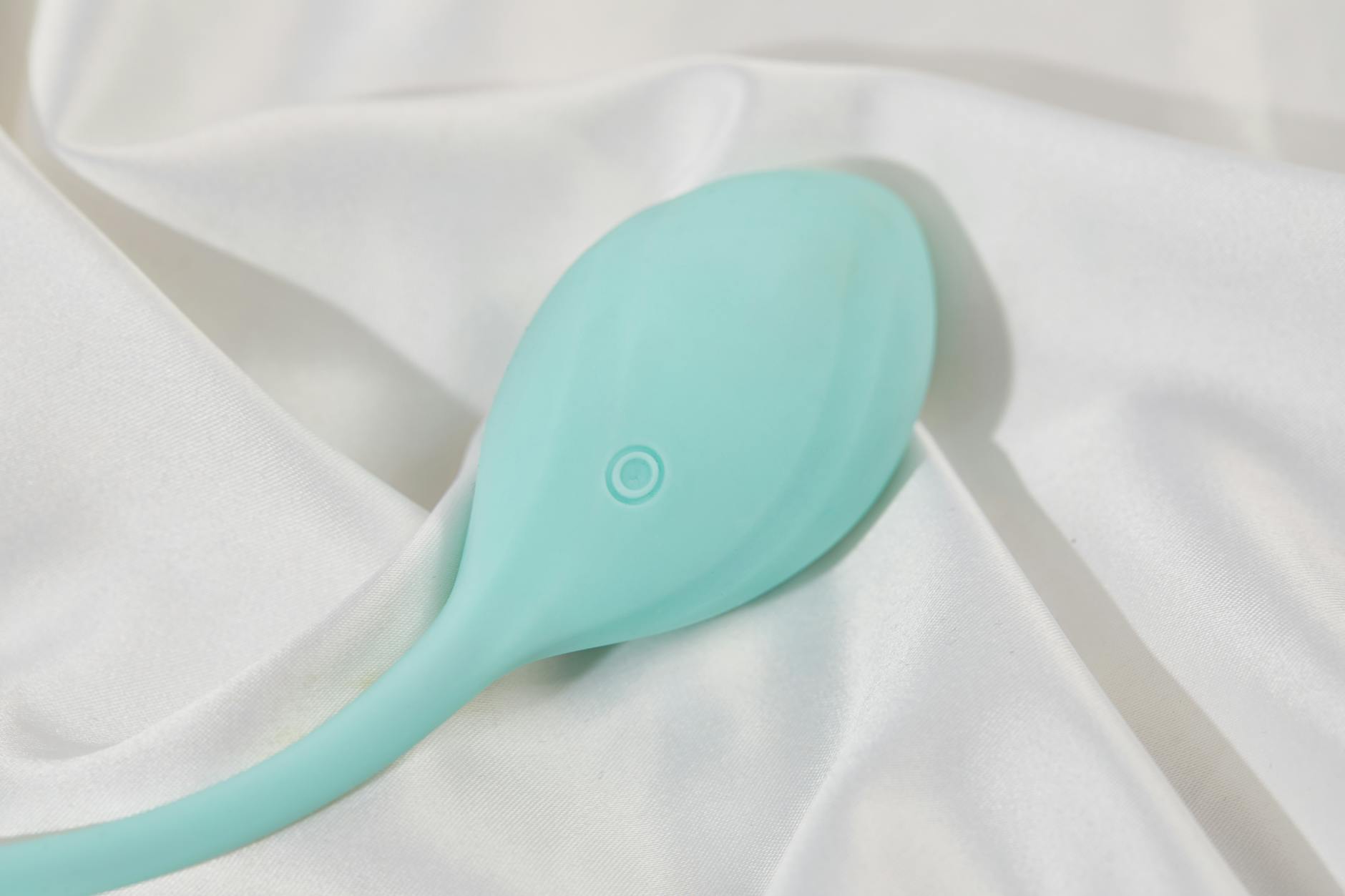
Photo by IFONNX Toys on Pexels
Why sensation intensity feels different now
Three biological and psychological reasons your lemon vibrator might feel less shocking than it once did:
1. Baseline responsiveness shifts. In your twenties, your nervous system is basically a live wire. Everything is novel, everything is arousing, everything gets your attention. By your thirties, you've lived through more, felt more, and your nervous system has calibrated to your actual life. That means lower baseline arousal, yes, but also the capacity for deeper, more sustained pleasure. Quick spikes give way to longer builds.
2. You know your own body's patterns. You understand your cycle, your stress response, your sleep debt, what you ate, whether you hydrated. At 22, you had none of that information. Now you do. You're not using a lemon clitoral vibrator in isolation anymore. You're using it within the context of a body you actually understand. That sounds like less pleasure, but it's actually more intelligence.
3. The cultural pressure has changed. You no longer need to orgasm in four minutes or prove something to someone. Performance anxiety doesn't paralyze you the way it might have in your twenties. That freedom alone rewires how sensation feels.
The pleasure architecture you've built
In your thirties, pleasure has architecture. It has entry points and trajectories and nuance. A lemon vibrator at 22 was point A to point B. Now it's the centerpiece of something larger. Maybe that's twenty minutes of warming up, thirty minutes with the toy, fifteen minutes of aftercare. Maybe it's about sensation before the vibrator even turns on. Maybe it's about being in a body you've actually learned to trust.
You've also likely had experiences that taught you what pleasure actually requires. Some people learn that they need emotional safety. Others discover they need novelty, or routine, or a specific kind of attention. All of this feeds back into how a device like a lemon vibrator registers in your nervous system.
When you're using one in your thirties, you're not just using the toy. You're using years of self-knowledge, boundary-setting, and the hard-won understanding that your pleasure matters and is worth protecting.
What changes physiologically
Your thirties mark subtle shifts in hormone patterns, even if you're nowhere near menopause. Estrogen cycling becomes more predictable (or more erratic, depending on stress, health, and genetics). Your cortisol patterns are different than they were. Your baseline heart rate and blood pressure have shifted. All of this changes how quickly your body can reach arousal and how intensity reads to you.
Lubrication patterns may shift slightly. The timeline for arousal might extend. Your pelvic floor has probably strengthened or weakened depending on pregnancy, childbirth, or pelvic floor work you've done. All of this is real and normal and completely compatible with great pleasure. It just means the lemon clitoral vibrator that worked in your twenties might need a different approach now.
For many people, sensitivity actually increases. The clitoris becomes more responsive to precise stimulation rather than broad, intense vibration. That's why many people find they prefer specific settings or different toys in their thirties than they did before. You're not broken. You're just specific.
The emotional architecture that changes everything
Here's what nobody talks about: pleasure in your thirties has stakes. In your twenties, pleasure was mostly about sensation. By your thirties, it's tangled up with partnership, loneliness, ambition, grief, hope, and your actual life. All of that affects how a lemon vibrator feels in your hands.
If you're in a long-term relationship, pleasure is also about maintenance and intention. The spontaneity of your twenties often gives way to scheduled intimacy, which sounds boring until you realize that scheduled pleasure is actually permission and presence. That transforms how devices work.
If you're single, pleasure might carry different weight. It might be more about reclaiming agency or processing loneliness or simply saying yes to yourself when the world keeps saying no. That intention changes the nervous system response.
You might also be processing trauma, managing anxiety, or navigating a body that's been changed by work, health, life. None of that is invisible to a lemon clitoral vibrator. The device reads the whole context.
When to actually change your approach
If sensation has genuinely faded and it bothers you, four things are worth trying before you assume anything is wrong with you:
Extend the warm-up. Arousal takes longer in your thirties for many people. Build in 15-20 minutes before the vibrator even turns on. This isn't a problem. It's data.
Change the pattern. If you've been using the same setting for years, your nervous system has habituated to it. Try the Lem's different patterns. Try apps that randomize. Try longer intervals or different rhythms. Novelty is available without buying anything new.
Check your context. Are you actually aroused? Are you actually relaxed? Are you actually safe? Sometimes what reads as diminished sensation is actually diminished permission. I ask my clients this before anything else.
Assess your overall health. Sleep, stress, medication, hydration, exercise, and alcohol all affect sexual response. These aren't character flaws. They're variables. Work with them.
If you've genuinely done all of this and sensation hasn't returned, a conversation with a sex-positive healthcare provider is worth having. How Lemon Vibrators Help Restore Sensation After Antidepressants is a common thread, as are thyroid issues, hormonal shifts, and relationship dynamics.
The pleasure you deserve in your thirties
Your thirties are the sweet spot. You have a body that understands itself. You have autonomy most of us didn't have at 22. You have permission you weren't allowed to take. A lemon vibrator in your thirties isn't supposed to feel the same as it did when you were younger. It's supposed to feel intentional, smart, and exactly as intense as your actual pleasure requires.
Most people who reach their thirties and say pleasure has changed are right. But they're usually wrong about what that change means. It doesn't mean anything is broken. It means everything has gotten more honest.
People also ask
Why do lemon vibrators feel less intense in your thirties than they did in your twenties?
Intensity is partly novelty and partly nervous system calibration. In your twenties, everything is new and your baseline arousal is high. By your thirties, you've built tolerance to the device and your nervous system has adapted to your adult life. This is normal. What changes is usually the type of sensation you crave, not your capacity for pleasure. Many people actually find deeper, more sustained pleasure in their thirties once they stop chasing intensity and start pursuing what actually feels good.
Can hormonal changes in your thirties affect how lemon vibrators feel?
Absolutely. Hormone cycles shift subtly in your thirties, even if you're years away from perimenopause. Cortisol patterns, estrogen fluctuation, and even luteal phase shifts can all affect arousal speed, lubrication, and sensitivity. Some people find their lemon clitoral vibrator feels completely different depending on where they are in their cycle. Tracking this for a few months can give you really useful data about your own body.
Does using lemon vibrators in your thirties mean something is wrong with your relationship?
No. Solo pleasure and partnered pleasure are separate systems in the brain and don't reflect on each other. Using a lemon vibrator has nothing to do with your relationship quality. Many people find that prioritizing their own pleasure actually improves intimacy because they're more present, more satisfied, and more resourced. It's an act of self-care, not a referendum on partnership.
What settings work best for a lemon clitoral vibrator in your thirties?
This is completely individual and changes based on where you are in your cycle, your stress level, sleep, and what you're actually craving. Some people find they prefer gentler, more consistent patterns in their thirties. Others want more intensity. The best approach is to experiment with your device's full range of settings and notice what lands. You're not looking for the "right" setting. You're gathering data about what your body wants right now.
Should I be concerned if pleasure feels different now than it did before?
Not at all. Pleasure is supposed to evolve. It should feel different at 35 than at 25. If it's not, you're probably not paying attention to the evolution. Give yourself permission to explore what pleasure actually looks like in your thirties rather than trying to recreate your twenties. Your thirties self deserves a pleasure that matches her actual life, not a nostalgic echo of someone else's experience.
How can I rediscover pleasure if it feels muted in my thirties?
Start with context: stress, sleep, medication, relationship status, and what you actually want sexually. Then look at approach: longer warm-up, different patterns, new settings on your lemon vibrator, or even a different device. If none of that works, consider talking to a therapist or sex-positive healthcare provider. Sometimes what reads as muted pleasure is actually depression, anxiety, a relationship issue, or a health variable that has a name and a solution.
Your thirties aren't the end of pleasure. They're the beginning of pleasure that actually knows what it wants.