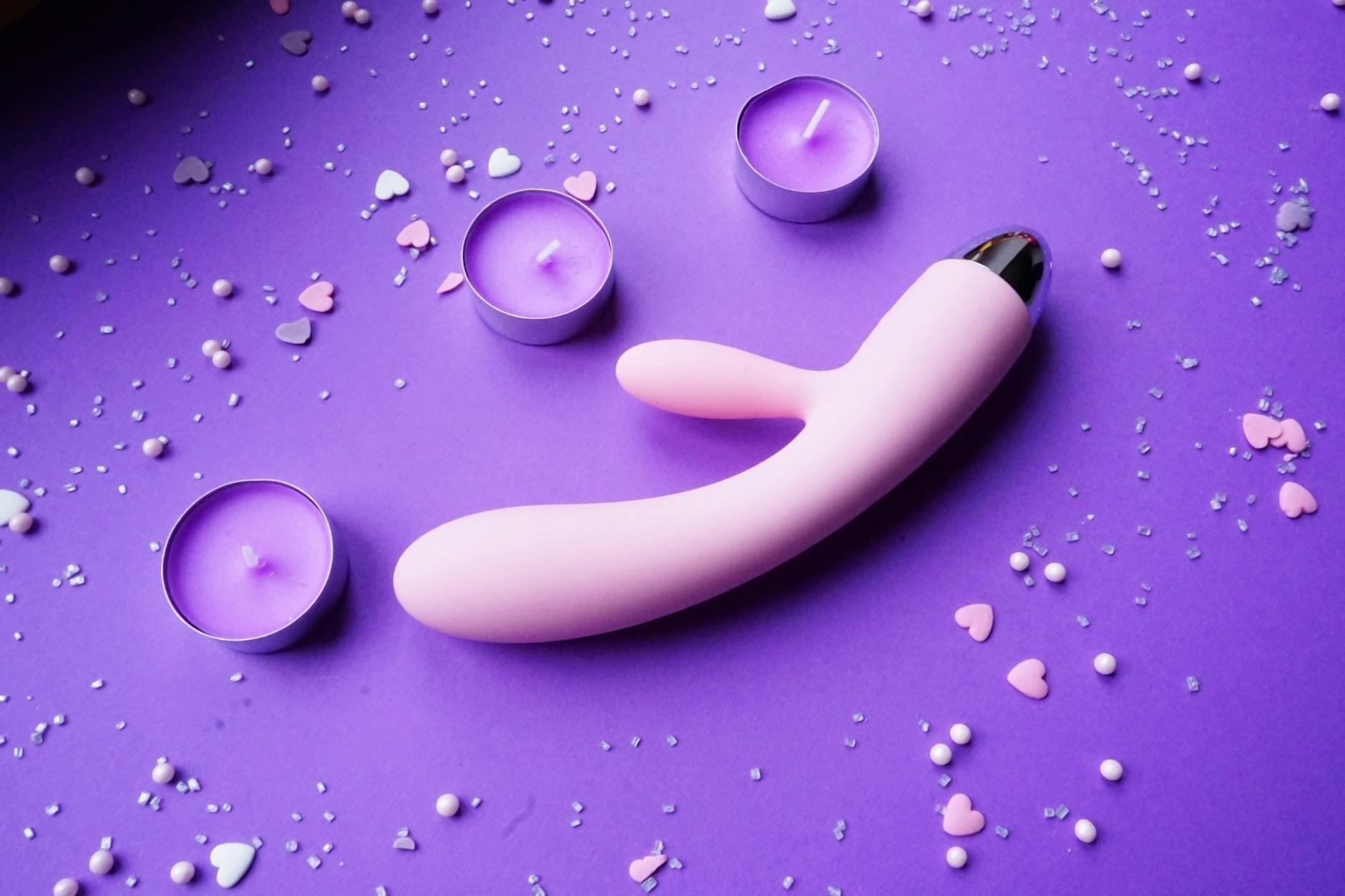
Let's be real about SSRIs and your body
Antidepressants save lives. They also, very often, flatten pleasure. Not in a psychological way. In a purely neurological one. Serotonin reuptake inhibitors (SSRIs) are brilliant at evening out the brain chemistry that fuels depression and anxiety, but they do it by changing how your nervous system processes dopamine and norepinephrine too. And those two chemicals? They're the ones that make sensation feel like sensation.
If you've been on SSRIs for months or years and suddenly realized you can barely feel touch, that orgasms are either impossible or weirdly numb, or that desire has just... evaporated. That's not a personal failing. That's your chemistry.
What actually happens to sensation on SSRIs
When you start an SSRI, serotonin gets recycled more slowly in your brain. That's the point. But serotonin doesn't work alone. It works alongside dopamine, which controls reward and pleasure, and norepinephrine, which controls arousal and sensation intensity. SSRIs indirectly suppress both of those. Your brain gets calmer. Your genitals get quieter.
The result is predictable: delayed orgasm (if one arrives at all), reduced genital sensitivity, lower libido, and the sensation of being behind a pane of glass during sex. You're present, physically, but the feeling is distant. Like watching yourself rather than inhabiting yourself.
Most people don't report this to their doctor. They assume it's them. It isn't. Studies show 40-60% of people on SSRIs experience some sexual dysfunction. Your body isn't broken. Your neurochemistry is medicated.
Why standard vibrators often don't help
Here's where most people get stuck. They try a regular vibrator and feel... almost nothing. A bullet vibrator, a wand, a rabbit. The stimulation is there, but the sensation doesn't seem to register the same way. Why?
Because most vibrators use continuous vibration. They buzz at a steady frequency. When your nervous system is already dulled by SSRIs, steady input becomes white noise. Your body habituates to it within seconds. The intensity has nowhere to go.
Lemon clitoral vibrators work differently. They use suction and pulsing patterns rather than constant vibration. Suction doesn't numb. It actually awakens nerve endings through rhythmic pressure changes. Each pulse creates a micro-vacuum that engages the clitoris in a way that requires less baseline sensitivity to feel like something.
For people recovering sensation after antidepressants, this distinction is everything.
How suction-based stimulation bypasses the numbness
Your clitoris has about 8,000 nerve endings. SSRIs don't destroy them. They just make the brain less responsive to their signals. It's like turning down the volume on the receiver, not breaking the speaker.
Suction-based lemon vibrators (like the Lem) engage the clitoris through physical pressure and release cycles rather than friction. This creates a different neural pathway than traditional vibration. Instead of relying purely on the dulled dopamine system to register pleasure, suction engages mechanoreceptors that respond to pressure changes. These receptors are less affected by SSRI-induced blunting.
In plain terms: your body can feel suction before it can feel buzzing again. That's why people often report their first real sensation returning with a lemon clitoral vibrator, even months into SSRI use.
Starting over: the recovery timeline
If you're planning to stay on SSRIs (which is a good call if they're helping your mental health), sensation recovery usually happens in stages.
Weeks 1-2: You might feel nothing. That's normal. Your nervous system is still deeply medicated. Don't push. Exploration without expectation is the goal.
Weeks 3-6: Tingling. Warmth. Not orgasm yet, just the return of subcutaneous awareness. This is huge. You're waking up.
Weeks 7-12: Pleasure sensations return, but they're often different from what you remember. Less sharp, more diffuse. Orgasms (if they come) might feel less intense, or they might feel differently distributed through your body. Both are normal.
Month 4+: Some people find their sensitivity stabilizes at a new baseline. Others continue slow improvement. A few find that staying on SSRIs long-term means accepting a permanently lower pleasure ceiling, and that's okay. Mental health comes first.
The timeline varies wildly based on dose, duration, individual neurology, and what you're treating. Some people regain full sensation in weeks. Others take months. A few don't fully recover until they reduce or switch medications.
Here's what helps during this process: patience, lemon vibrators with adjustable intensity (so you can work within your sensitivity range), and honest communication with your partner and prescriber.
Practical steps to rebuild sensitivity
Three things I recommend to almost everyone recovering sensation after SSRI use.
One: Start at the lowest intensity setting. If your lemon clitoral vibrator has pattern options, begin with pattern 1 or 2. Your goal isn't pleasure yet. It's reawakening. Spend 10-15 minutes every few days just noticing what you can feel. No pressure to orgasm.
Two: Use your breath deliberately. Sensation returns faster when you're breathing into your pelvis rather than holding tension. Slow inhales into your belly, exhales through your mouth. This isn't spiritual. It's neurological. Breathing activates your parasympathetic nervous system, which works against the flattening effect of SSRIs.
Three: Track what's changing. Keep a simple note on your phone: date, setting used, what you noticed. Not for performance. For pattern recognition. You'll see sensitivity returning weeks before it feels obvious.
When to talk to your doctor
Your prescriber needs to know that sexual dysfunction is affecting your quality of life. Not because they'll shame you. Because they have options.
Some antidepressants flatten sensation less than others. If the sexual side effects are severe, switching to bupropion, mirtazapine, or a lower SSRI dose might help. Some people take a small dose of buspirone alongside their SSRI to counteract sexual side effects. Others add a dopamine agonist. None of these are hacks. They're evidence-based adjustments.
But here's the hard truth: if your antidepressant is working for your depression or anxiety, your doctor will push back on switching. And they're often right. Your mental health has to come first. The answer isn't to stop medication. The answer is to work with the sensation recovery you have and use tools like lemon vibrators that work with your neurochemistry rather than against it.
The emotional piece (which is also neurological)
People recovering sensation after antidepressants often deal with grief. You've lost a pleasure you knew. You're rebuilding one that feels different, slower, less certain. That's real loss, and it deserves acknowledgment.
Many people also feel shame. They think they should be grateful for the mental health benefit (they should be), and they shouldn't want sex back (wrong). Wanting pleasure is not shallow. It's human. You can be grateful for your medication and also want your body back. Both things are true.
If you have a partner, this recovery goes better with them in the conversation. Not them doing anything. Just them knowing. "My body is waking up slower than I'd like" is information that changes how you both show up. A partner who understands that sensation recovery is a process, not a failure, makes everything easier.
FAQ: Antidepressants, sensation, and lemon vibrators
How long do SSRI sexual side effects usually last after stopping the medication?
It depends on the drug and how long you took it. Some people bounce back within weeks. Others take 2-3 months. A few experience persistent sexual dysfunction (PSSD) that lasts longer. If you're considering stopping your medication to regain sensation, talk to your doctor first. Stopping SSRIs abruptly can trigger serious withdrawal symptoms. But if you do stop under medical supervision, be patient. Your nervous system needs time to rebalance dopamine and norepinephrine production.
Can you use a lemon vibrator while still on SSRIs?
Yes, absolutely. In fact, lemon clitoral vibrators often work better during SSRI use than other vibrator types because suction-based stimulation engages different nerve pathways than buzz-based vibrators. You're not fighting the medication. You're working around it. Start low, go slow, and don't expect the sensation to match what you felt before medication.
Will switching to a different SSRI help with sexual side effects?
Possibly. Some SSRIs are gentler on sexual function than others. Sertraline and paroxetine tend to cause more sexual dysfunction than citalopram or escitalopram. But effectiveness for your depression or anxiety is the priority. If your current medication is working, switching mainly for sexual side effects isn't usually recommended. Talk to your prescriber about lower-dose options or augmentation strategies instead.
What's the difference between delayed orgasm and anorgasmia on SSRIs?
Delayed orgasm means it takes much longer to reach climax, but it's still achievable. Anorgasmia means orgasm becomes impossible, or orgasm feels so distant and muted that reaching it takes exhausting effort. Both are common SSRI side effects. Delayed orgasm often improves with patience and tools like lemon vibrators. True anorgasmia usually requires a medication adjustment. If you can't reach orgasm after months of recovery efforts, contact your doctor.
Is it normal for orgasms to feel different after antidepressant recovery?
Yes. When sensation returns, it often returns differently than it was before. You might feel more fullness and less sharp intensity. You might experience sensation in different parts of your body. Your orgasm might be quieter. All of this is normal neurological recovery. It doesn't mean you're broken. It means your nervous system is rewiring under new neurochemical conditions. Give yourself grace as you get reacquainted with your own pleasure.
Can lemon vibrators help with anorgasmia caused by other medications?
Suction-based stimulation helps with any form of blunted sensation, not just SSRI-induced numbness. Other medications that flatten sensation include some blood pressure drugs, antihistamines, and antipsychotics. If another medication is causing sexual dysfunction, talk to your prescriber before trying any tool. But if they give you the go-ahead, lemon vibrators are worth exploring because they engage the nervous system differently than conventional vibrators.
You're not starting from zero
Recovering sensation after antidepressants isn't about getting back what you had. That's impossible. Your chemistry has changed. But rebuilding pleasure with your new nervous system is completely possible, and it often leads somewhere richer than what came before.
You know yourself better now. You know that mental health matters. You know that pleasure also matters. You're not choosing between them anymore. You're learning to have both, on new terms.
If you want to explore lemon clitoral vibrators as part of that recovery, start with our beginners guide to find the right setting and rhythm for your body. And if you have questions about what might work for your specific situation, get in touch. Recovery takes time. You deserve support along the way.