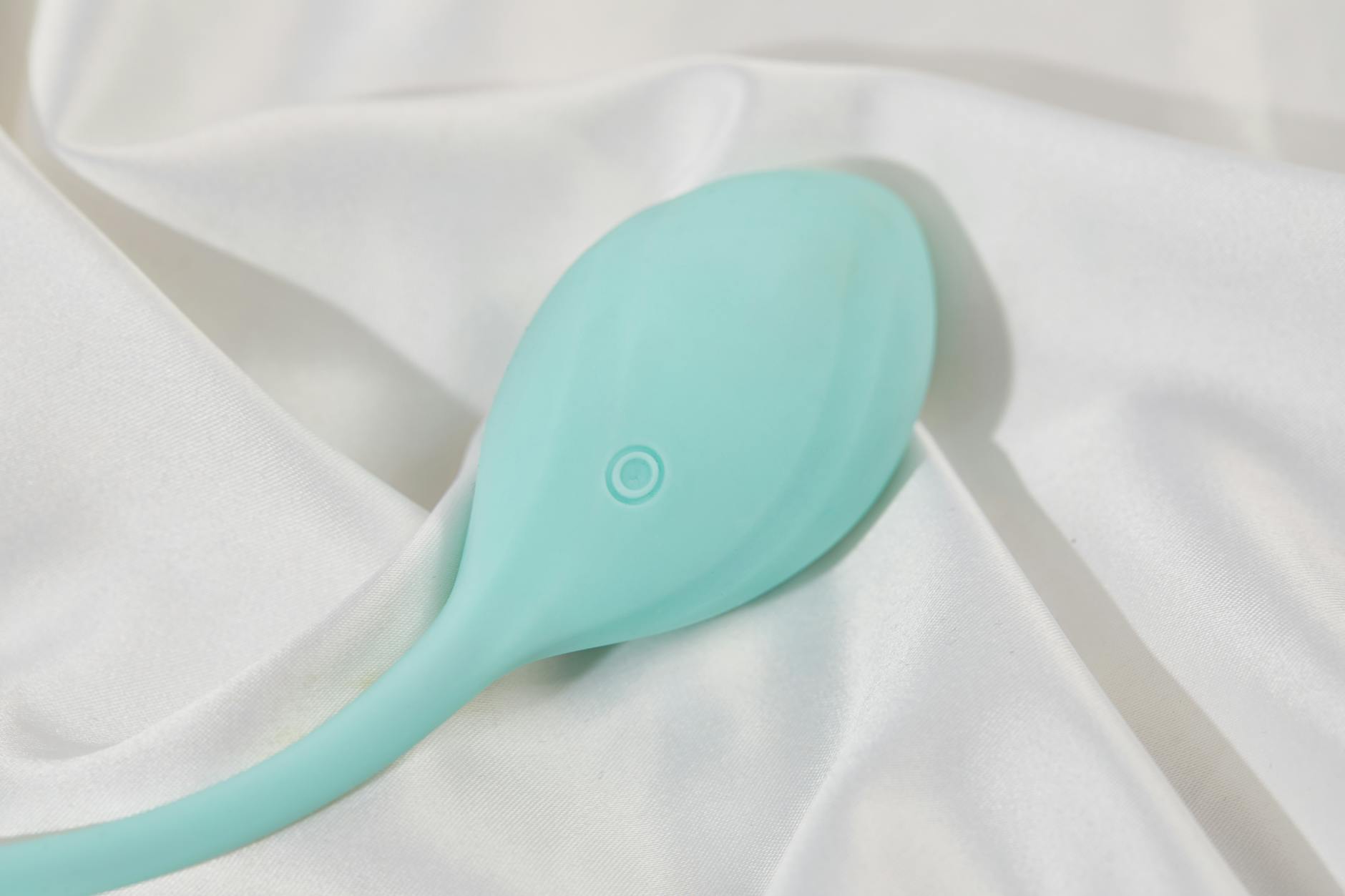
Let's talk about what medication actually does to sensation
If you've started a new medication and suddenly your usual lemon vibrator feels too intense, you're not alone. And you're not broken. What's happening is real, measurable, and absolutely workable once you understand the mechanics.
Certain medications rewire how your nervous system processes touch. SSRIs, SNRIs, some blood pressure meds, and even hormonal shifts from birth control can increase peripheral nerve sensitivity, meaning your clitoris becomes hyperaware of stimulation. What felt perfect six months ago now feels like too much. The good news: your lemon vibrator is still your device. You just need to adjust how you're using it.
How medication changes clitoral sensitivity
Your clitoris has roughly 8,000 nerve endings packed into a space smaller than a pea. Most medications don't change the number of nerve endings, but they do change how readily those nerves fire. SSRIs, which many people take for depression or anxiety, increase serotonin availability in your nervous system. More serotonin can mean heightened tactile awareness overall, including in the most sensitive parts of your body.
Some blood pressure medications reduce blood flow slightly, which can make tissue feel more raw or reactive to touch. Certain antihistamines dry out mucous membranes, which changes how friction feels against your clitoris. The pattern is different for everyone because it depends on which medication, your dosage, and your baseline sensitivity.
The key insight: this isn't permanent. As your body adjusts to the medication (usually between 6-12 weeks), some of this heightened sensitivity often levels out. But while you're adjusting, you need a different approach.
Start with indirect stimulation, not direct
This is the biggest tactical shift. If your lemon vibrator used to work beautifully with direct contact to your clitoris, you might need to work through the hood instead. The clitoral hood is less densely innervated than the glans itself, which means the same vibration pattern will feel milder but still pleasurable.
Try this: place the tip of your lemon vibrator against the skin above your clitoris (over the hood) rather than directly on the head. You'll still get stimulation, but filtered through more tissue. This is not a compromise. Many people, even those not on medication, prefer this sensation. It's wider, more diffuse, and often builds arousal more gradually.
If that's still too much, move one finger width higher and stimulate the area around the clitoral region without direct contact at all. You're working with nerve pathways that connect to the clitoris but aren't the clitoris itself.
Dial back the intensity immediately
Lemon vibrators, including the Lem, usually come with 5-8 settings or intensity levels. If you were using settings 5-7 before medication, start at 2-3 now. This sounds drastic. It is. But ramping back up gradually over weeks feels better psychologically than white-knuckling through discomfort.
Honestly, many people discover that lower settings are secretly better anyway. Intensity and pleasure aren't the same thing. Lower frequencies often create a smoother, more sustained sensation that allows your nervous system to relax into arousal rather than reacting defensively to strong stimulation.
Here's a practical experiment: spend one session exclusively at level 1 or 2. Most lemon clitoral vibrators have enough nuance at the lower end that you can absolutely reach orgasm here. You're not sacrificing pleasure. You're recalibrating.
Add lubrication and take your time
Heightened sensitivity often comes with reduced lubrication (depending on the medication). This isn't just uncomfortable; it changes the whole dynamic. A water-based lubricant acts as a buffer between your skin and the vibrator's surface. It reduces direct friction and makes everything feel softer.
I recommend applying lubricant generously and reapplying mid-session if needed. This isn't about "fixing" yourself. It's about creating the conditions where your nervous system can relax. When your clitoris is reactive and raw-feeling, the last thing it needs is friction.
Also extend your warm-up time. If you used to spend five minutes with manual stimulation before introducing your vibrator, extend that to 10-15 minutes. Slower arousal builds more gradually and often feels less jarring when your sensitivity is elevated.
Use pulsation patterns instead of steady vibration
Many modern lemon vibrators, including our lemon sexual toys here at Hello Nancy, have both steady and pulsing modes. If steady vibration feels overwhelming, try the pulsation setting. Pulses give your nervous system micro-breaks. Instead of constant input, you get rhythmic on-off stimulation, which many people find easier to tolerate and build pleasure with.
Some pulses are slower and deeper (4-6 pulses per second), while others are faster (8-12 pulses per second). Experiment with both. The slower ones often suit heightened sensitivity better because there's more breathing room between each pulse.
Consider timing within your cycle (if applicable)
If you have a menstrual cycle, hormone fluctuations interact with medication-induced sensitivity. Sensitivity is usually highest right before and during your period, when progesterone dips. If you're taking SSRIs or other serotonin-active meds, this can compound. Your clitoris might feel manageable at mid-cycle but almost untouchable right before your period.
There's no wrong choice here, but awareness helps. You might keep your lemon vibrator settings lower during the luteal phase (the second half of your cycle) and slightly higher during the follicular phase. Tracking this for 2-3 months shows you your own pattern, and patterns give you back control.
When to talk to your doctor
If the sensitivity doesn't improve after 8-12 weeks, or if it's accompanied by pain, numbness, or tingling in other parts of your body, bring it up with whoever prescribed the medication. Sometimes a dose adjustment or switching to a different medication in the same class can make a real difference. You're not complaining about something frivolous. Sexual function is a legitimate health concern, and good providers take it seriously.
Some medications have sexual side effects that don't resolve on their own. If that's what's happening, alternatives exist. A 20-second conversation with your prescriber can save you months of frustration.
The bigger picture: pleasure is negotiable
Medicines that affect your mental health are worth the adjustment period, even when that adjustment includes recalibrating your pleasure. You're not losing pleasure. You're rediscovering it on new terms.
Many of my clients report that once they find their sweet spot with medication and their lemon vibrator settings, they experience arousal and orgasm more fully than before because their baseline anxiety is lower. The medication that made sensation feel intense at first eventually creates the mental space where pleasure can actually land. Your body is wise. It's just asking for patience while it adjusts.
FAQ
Can I use my lemon vibrator while taking antidepressants?
Yes, absolutely. Antidepressants don't make your device unsafe. They change how your nervous system responds to stimulation, which might mean adjusting your settings or technique, but using your vibrator is completely fine and often helpful for sexual function during the adjustment period.
Why did my lemon clitoral vibrator suddenly feel painful?
Increased sensitivity from medication can sometimes feel sharp or uncomfortable rather than pleasurable. This is usually temporary as your body adjusts. In the meantime, switch to indirect stimulation (over the hood rather than direct contact), lower your intensity settings, and use more lubricant. If pain persists beyond 12 weeks, check with your doctor.
How long does medication-related sensitivity usually last?
Most people see improvement between 6-12 weeks as their body acclimates to the medication. Some notice changes within 2-3 weeks. Everyone's timeline is different. During this window, working with lower settings and indirect stimulation usually keeps pleasure accessible while you adjust.
Is it normal for my clitoris to feel numb sometimes and hypersensitive other times?
Yes, especially if you're in the adjustment phase or if the medication affects your blood flow. Numbness often comes from reduced blood flow, while hypersensitivity comes from increased nerve reactivity. Both are temporary in most cases. Track what you notice and bring patterns to your prescriber.
Can I switch to a different lemon vibrator if mine feels too intense?
You could, but you probably don't need to. Before spending money on a new device, test the techniques in this article. Most people find that adjusting technique, settings, and lubrication makes their existing lemon vibrator work beautifully again. Save the upgrade for when you want one, not because you feel forced.
What if lower settings and indirect stimulation still don't work?
If you've tried lower intensity, pulsation mode, indirect contact, extra lubrication, and a longer warm-up and pleasure still isn't happening, talk to your prescriber. Sometimes the medication is the right choice but the dose needs adjusting, or a switch to a different medication in the same class works better for you. Sexual function isn't a cosmetic issue. It's part of your overall health.
The bottom line
Medication changes your body. That's not a flaw in the medication or in you. It's biology. Your lemon vibrator is still the right tool. You're just learning a new way to use it. Most people move through this adjustment phase within weeks and find their pleasure recalibrated on the other side. Be patient with yourself. Your sensitivity will either normalize or you and your vibrator will find a new rhythm that works even better than before.
If you're navigating these changes, you might also find it helpful to read about how lemon vibrators help restore sensation after antidepressants for a deeper dive into the medication-pleasure connection, or explore best lemon vibrator settings for a sensitive clitoris for more technique variations.
Your pleasure matters. Take the time to rediscover it.