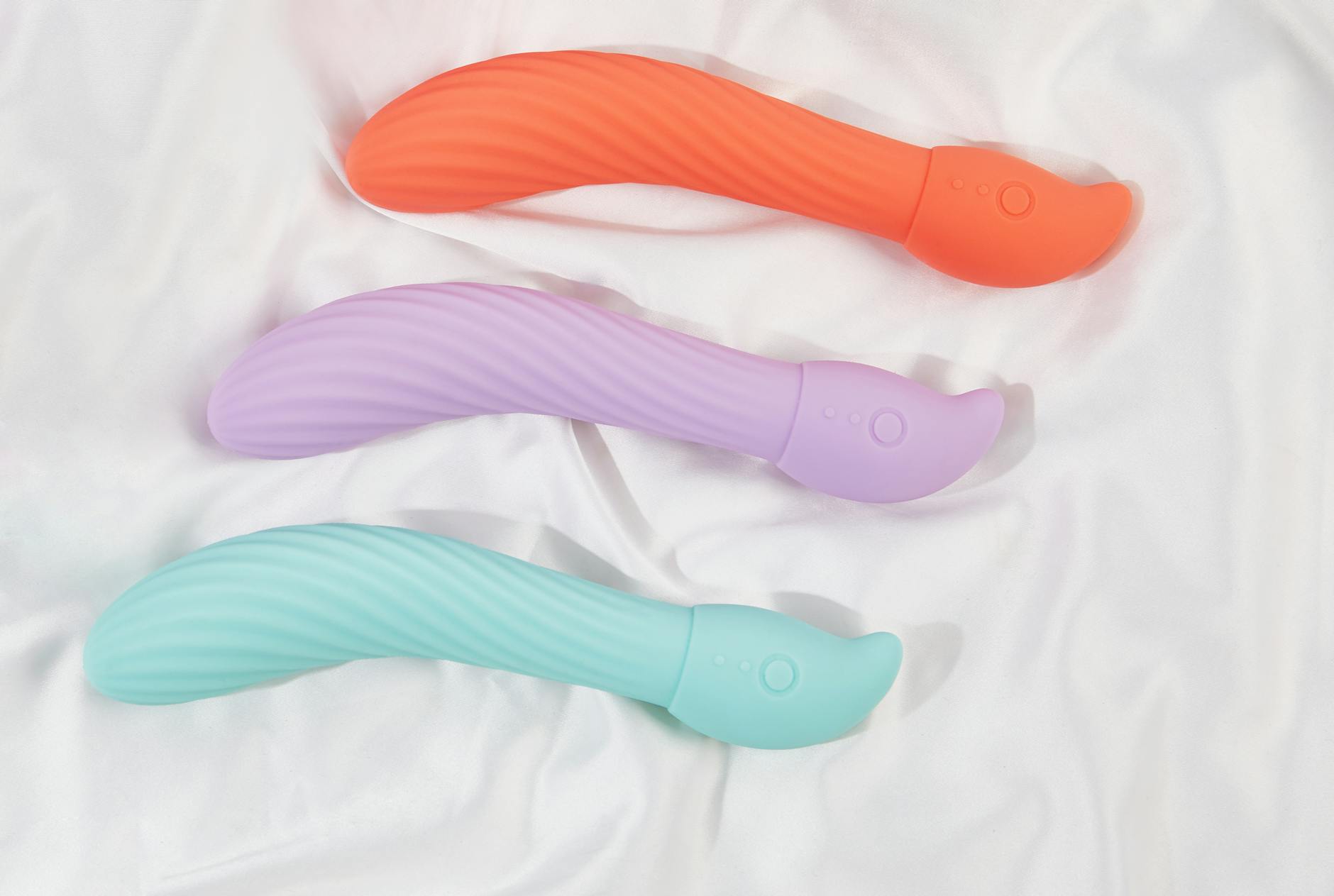
Let's start with the basics
Okay so, you've got a lemon vibrator (or you're about to). Maybe it's a lemon sucker, maybe it's the iconic Lem vibrator, maybe it's something else entirely. Here's the thing nobody tells you: there's no "right" way to use it. There's only the way that works for your body. That said, there are definitely some techniques that help most people find pleasure faster, and some mistakes that'll leave you frustrated.
This guide walks you through the setup, the settings, the touch points, and the rhythm tweaks that turn a new toy from "why isn't this working" into "oh, okay, I get it now."
Getting ready before you start
Setting yourself up for success takes two minutes and changes everything.
First, charge your toy fully. Most lemon vibrators take 60 to 90 minutes to charge. Don't use it while plugged in the first few times. Cordless lets you focus on sensation instead of cables.
Second, find your space. You want privacy, warmth, and no time pressure. That might be your bedroom at night, a locked bathroom with a door wedged shut, wherever. The goal is a place where you feel safe enough to relax. Your nervous system has to believe nothing's going to interrupt you, or pleasure gets switched off at the nervous-system level.
Third, wash your hands and the toy with warm water and mild soap. Lemon vibrators are often made from medical-grade silicone, which is easy to clean and hypoallergenic. Pat both dry. This is less about being prim and more about preventing irritation and making sure your grip is stable.
Understanding the settings and patterns
Most lemon vibrators have multiple speed settings (usually 5 to 10) and several vibration patterns. If this is your first clitoral vibrator, here's what you need to know: you will not want the strongest setting first. I know it's tempting. Resist it.
Start at setting 1 or 2. Yes, really. This is especially true if you've never used a vibrator before or if you're sensitive to stimulation. Your nervous system needs time to recognize the sensation as pleasure instead of startling. Once you know what the toy feels like at low power, you can experiment with intensity.
The patterns are where it gets fun. Most toys cycle through 5 to 10 different pulse rhythms: steady, waves, pulses, escalating patterns. You don't need to memorize them. Just spend a minute or two on each pattern at low speed and notice what happens. Your body will tell you which ones feel best.
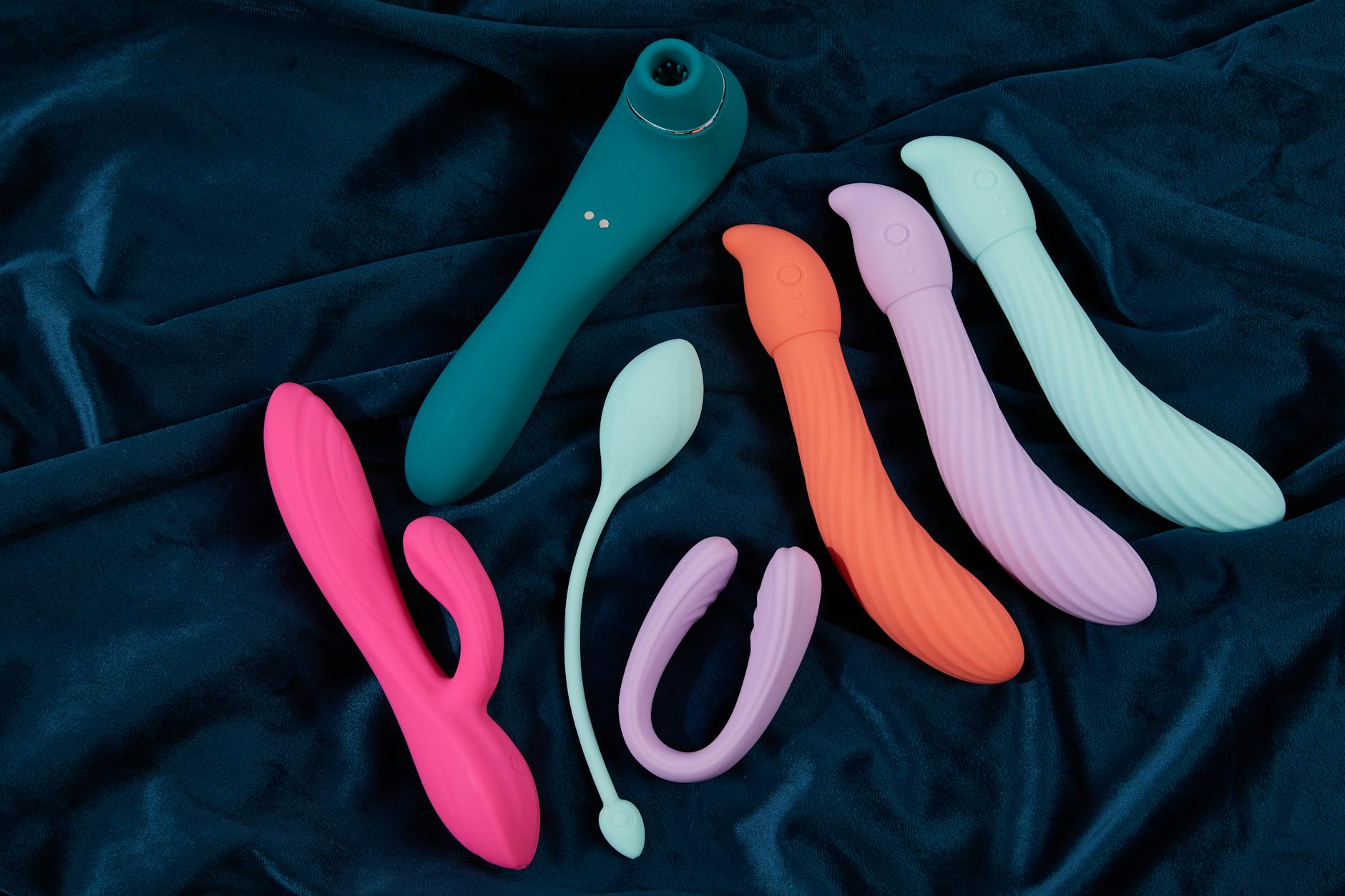
Photo by IFONNX Toys on Pexels
Finding the right touch points
Lemon clitoral vibrators are designed to stimulate the clitoris, but the clitoris is bigger and more varied than people think. It's not just the visible tip. It extends internally and has thousands of nerve endings spread across a zone roughly the size of a fingertip to an almond.
Start by applying the vibrator to the top of your clitoral area (the most sensitive part for most people). Hold it there gently for a few seconds at low speed and notice what happens. If it's overwhelming, move the vibrator slightly to the side or lower, to the shaft of the clitoris rather than the head. Different spots often feel radically different.
Many people find that direct stimulation on the tip feels too intense, especially at first. Moving the vibrator around (side to side, up and down, in small circles) spreads sensation across a wider area and often feels more pleasurable than holding it still. This is called "broad stimulation" and it's one of the biggest beginner breakthroughs.
Some people love the feeling of the vibrator held steady at one spot. Others need movement. There's no rule. Experiment.
Pressure and angle matter more than speed
This might sound counterintuitive, but the pressure you apply often matters more than the vibrator's intensity setting. A vibrator at setting 2 with light pressure can feel better than setting 6 with hard pressure.
Start with barely-there pressure. Let the vibrator hover so just the tip is making contact. Then gradually add pressure until it feels right. Most people settle somewhere between light and medium pressure. Too much pressure can numb sensation (counterproductive) and sometimes cause irritation.
Angle is the other wild card. A lemon sucker or other curved vibrator works differently depending on how you angle it against your body. Try tilting it slightly in different directions. Angle the tip toward your body (more direct), away (less intense), to the left and right. One angle might feel incredible while another feels like nothing.
Building arousal: speed and rhythm progression
Here's something they definitely don't teach in sex ed: you don't need to jump straight to your favorite setting. Building arousal gradually actually feels better and often leads to stronger sensation and orgasm.
Start at setting 1 or 2 for 2 to 3 minutes. Notice what happens in your body. Feel your breath. Does your heart rate pick up? Do you feel a warm tingle building? Let it. Don't rush to turn up the power.
After a few minutes, nudge up to setting 3 or 4. Spend another minute or two there. Then 5 or 6. This progression gives your nervous system time to stay engaged instead of being shocked into numbness. It also builds anticipation, which literally makes orgasm stronger when it comes.
If you get to a setting that feels too intense, back down one notch. There's no prize for turning it up as high as it goes. The goal is sustained pleasure, not proof of toughness.
What if it's not working
If you've been using your lemon vibrator for 15 minutes and you're feeling... nothing, here are the three most common fixes.
One: your nervous system isn't relaxed. If your brain is still half-worrying about schedules or whether a door is truly locked, arousal shuts down. This is your sympathetic nervous system protecting you. Take two minutes to breathe. You might need a blanket, a focus word, or just five more seconds of stillness.
Two: you need more lubrication. Even though vibrators don't require it the way penetration does, a little water-based lubricant can make sensation feel smoother and less shocking. It also reduces friction and irritation. A quarter-sized dab is usually plenty.
Three: the vibrator pattern isn't right for you yet. You haven't found your pattern. Cycle through the others slowly. Some people's nervous systems respond to steady vibration, some to waves, some to rhythmic pulses. It's personal.
If you're still not feeling it after 20 minutes, that's fine. Stop. Come back another time. Pleasure is not a performance metric. Sometimes your body just isn't in the mood, and that's completely normal.
Solo play vs. partnered exploration
If you're using a lemon vibrator alone, the advice above is your roadmap. If a partner is involved, there's one extra layer: communication. Before you start, tell your partner what you're exploring and ask them to let you lead. You're learning your body. They're there to watch, provide feedback if you ask for it, and respect your pace.
After you've figured out what works for you solo (which is valuable information), you might bring a partner into the mix. For a deeper dive into how this shifts dynamic and pleasure, read more about lemon vibrators for solo play versus partnered use.
Sensitivity and individual differences
Your body is unique. That person online who swears by pattern 7 at full power? Their nervous system is wired differently than yours. If a lemon clitoral vibrator feels too strong, that's not a failure. It means you need a different intensity range or pattern. Hello Nancy makes vibrators at different power levels precisely because people are different.
Sensitivity can also shift across your cycle. What feels amazing mid-cycle might feel too intense during your period or just before. That's normal. Your clitoris actually swells and becomes more sensitive at different phases, which is partly why some people experience variations in how lemon vibrators feel at different times of their cycle.
Aftercare and cleanup
After you're done, let your body rest for a few minutes. Your nervous system has been activated, and a little downtime helps you integrate the experience.
Wash your vibrator with warm water and a few drops of mild soap. Dry it completely. If you're storing it in a drawer or bag, make sure it's fully dry first (moisture plus enclosed space can breed bacteria). Store it in a cool place, away from direct sunlight. Most quality vibrators last years with basic care.
People also ask
How long does it take to get used to a lemon vibrator?
Most people feel more comfortable and find what works within 3 to 5 sessions. Your first time might feel awkward or strange. By the third time, your nervous system usually recognizes the sensation as pleasurable and stops treating it like a surprise. That doesn't mean you'll have an orgasm by session three. Orgasm is separate. Some people come the first time. Others take weeks. Both are completely normal.
Can I use a lemon sucker with a partner during sex?
Absolutely. Some people use it solo during partnered sex. Others use it together. The key is talking about it first so nobody's surprised mid-moment. If you're trying it with a partner, start at a lower setting than you'd use alone. Having another person present (and perhaps another sensation happening) changes how you experience vibration. Start conservative and adjust from there.
What if the vibrator feels numb after a while?
This is called "habituation," and it's a real neural thing. Your nervous system is smart enough to ignore constant sensation. If your vibrator starts feeling dull, switch patterns or turn it off for 30 seconds, then turn it back on. The break resets your sensory system. You can also try lower settings or moving the vibrator around more rather than holding it still.
Is it normal to take a while to orgasm with a vibrator?
Yes. Some people come in 2 minutes. Others need 15 or 20. Some don't orgasm at all, and that doesn't mean anything is wrong. Pleasure and orgasm are not the same thing. A vibrator should feel good. Whether that pleasure leads to climax is secondary.
Can I use water-based lube with a silicone vibrator?
Yes, absolutely. The lemon vibrator and most Hello Nancy toys are made from medical-grade silicone, which plays well with water-based lubricant. Do not use silicone-based lube with silicone toys. That combination can degrade the material over time. Stick to water-based and you're fine.
What if my partner is intimidated by the vibrator?
This is about reassurance and conversation, not about the toy. Some partners worry vibrators mean they're not enough. That's understandable but based on a misconception. A vibrator is a tool for pleasure, the same way a massage wand is a tool. It doesn't replace partnership. It's an addition. Talk about what you're exploring and why. Invite them to watch or participate. Most anxiety dissolves once the mystery is gone.
The real takeaway
Your first time with a lemon vibrator might feel clumsy or not work at all. That's not an indictment of you or the toy. You're learning a new form of touch. Give yourself permission to experiment slowly, to feel awkward, to adjust settings a dozen times, to stop and try again another day. Pleasure is patient. Your body is smarter than you think. A lemon clitoral vibrator is just a tool to help you listen to it.
If you have questions or want more guidance on pleasure exploration, reach out. We're here to help at Hello Nancy.
References and sources
This article draws on clinical research into sexual response, clitoral anatomy, and nervous system regulation in sexual contexts, as well as conversations with hundreds of people learning to use intimate devices for the first time. For specific anatomical information, consult reputable sources like the American College of Obstetricians and Gynecologists (ACOG) or evidence-based sexual health education platforms.