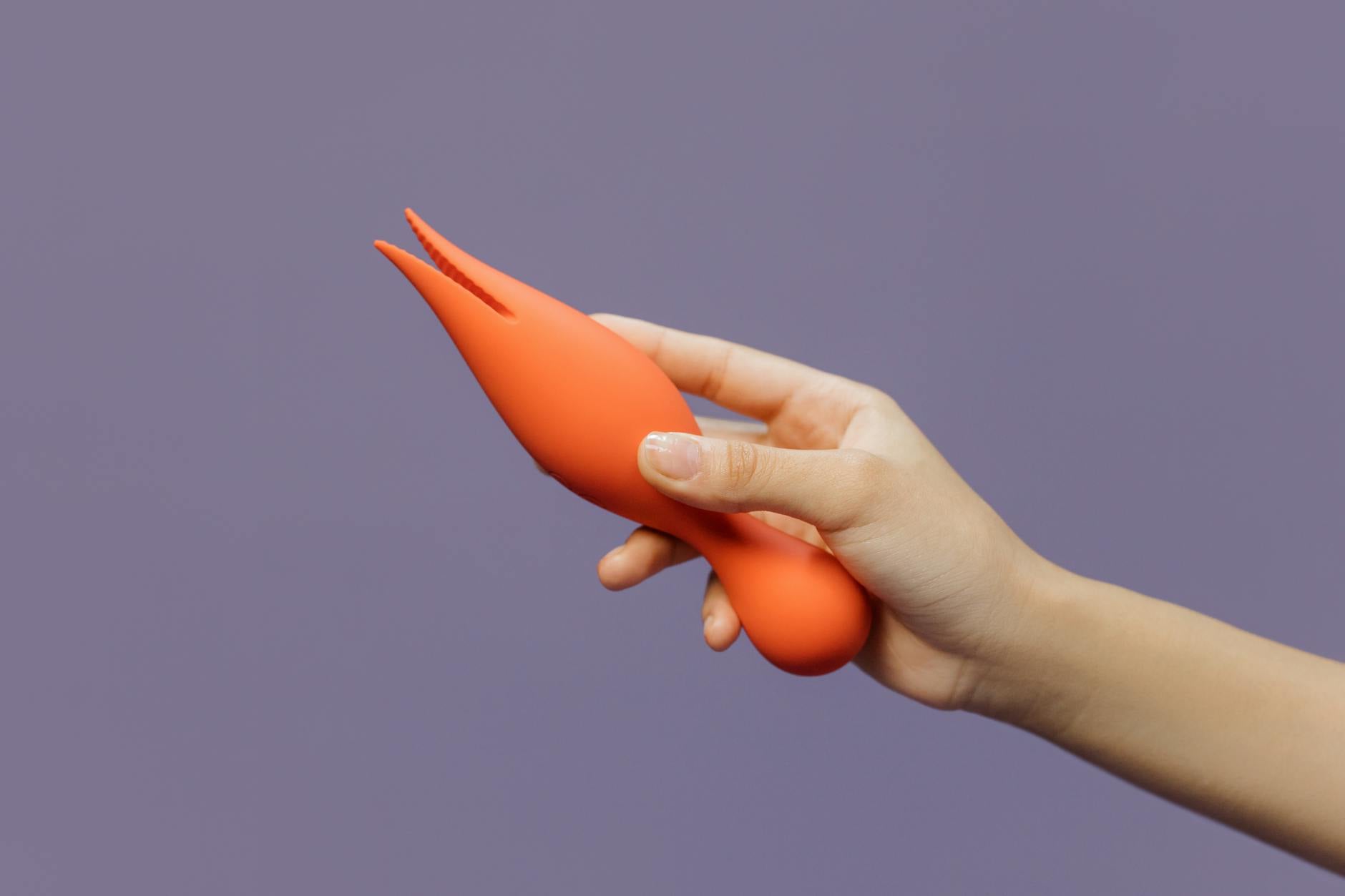
Let's be real about medication and pleasure
You started a new medication. A week later, you noticed something shifted down there. Maybe arousal feels muted. Maybe orgasm is harder to reach. Maybe the clitoral vibrator that used to feel amazing now feels like you're touching someone else's body through a thick wool glove.
This is not in your head. This is your medication doing its actual job while also quietly tanking your sex life.
Why new meds change sensation so dramatically
The culprits vary, but the mechanism is usually one of these three.
Antidepressants and SSRIs (sertraline, fluoxetine, paroxetine) are the most notorious. They increase serotonin, which calms anxiety brilliantly but also suppresses dopamine. Dopamine is one of the primary neurotransmitters for desire and orgasm. So you're calmer, but you're also sexually quieter. Not broken. Quieter. That's different.
Blood pressure meds (beta-blockers especially) reduce blood flow, including to the genitals. Erection, lubrication, and clitoral engorgement all depend on that blood rush. Less flow means a slower, softer response.
Antihistamines and decongestants dry everything out. Your sinuses, your mouth, and yes, the tissue down there too. Dryness changes friction, which changes sensation entirely.
Other culprits: birth control tweaks, thyroid meds, anti-anxiety benzos, pain meds. Each one has its own flavor of sexual side effect, but the experience feels the same. You feel like your body isn't responding the way it should.
The adjustment window nobody talks about
Here's the hopeful part: your body usually adapts.
Most medication-related sexual side effects peak in the first 2-4 weeks, then gradually improve as your system adjusts. Some people regain baseline sensation within 6-8 weeks. Some take 3 months. Some get stuck, and that's when you call your doctor.
During that window, your lemon vibrator can actually help your body adapt faster, but only if you use it strategically.
How to recalibrate with your lemon clitoral vibrator
There are three shifts to make right now.
Start lower, go slower. If you normally jump to intensity level 4 or 5, begin at level 1 or 2. Your nervous system is receiving signals differently right now. A softer stimulus actually teaches your body to heighten sensation rather than chase it. Spend 15-20 minutes in this low zone before considering going higher.
Use it differently than you used to. Your old rhythm might have been direct stimulation at higher intensity for 10 minutes and done. That won't work right now. Instead, try sustained lower-intensity stimulation for 20-30 minutes. Long, patient contact wakes up nerve endings without overwhelming them. The goal isn't a quick orgasm. The goal is remapping sensation.
Build anticipation intentionally. Arousal priming matters now in a way it might not have before. Spend 10-15 minutes on sensation that's not directly genital. A lemon vibrator works beautifully on the inner thighs, the underside of your breasts, the back of your neck. You're teaching your body that pleasure is coming, which actually enhances receptor sensitivity when you finally touch your clitoris.
Pain, numbness, and when to pause
If you feel pain or sharp discomfort, stop immediately. That's different from the "it feels weird" sensation of adjusting to medication. Pain means something's actually wrong, and you should talk to your doctor.
Numbness is trickier. A little numbness is normal when medication flattens sensation. But total numbness lasting more than 8-10 weeks isn't just adjustment. That's a sign your medication dosage might be too high or wrong for your body.
Communication if you're partnered
If you're with a partner, this is worth naming out loud. Not "I'm broken," but "My medication is making sensation feel different, and I'm going to explore how to adapt." This reframes it from a personal failure to a logistical shift.
Many partners feel rejected when sexual response changes suddenly. Knowing it's pharmaceutical, not about them, actually eases the tension. You might also invite them into the exploration. A partner can use the lemon vibrator on you while you guide intensity, which removes the pressure of self-stimulation and adds novelty that can help wake sensation up.
Read about how to use a lemon vibrator with your partner if you're thinking about bringing them into this recalibration.
The medication conversation with your doctor
If 8-10 weeks have passed and sensation hasn't improved, or if the flatness is destroying your quality of life, don't just accept it. Here are the actual options.
Timing adjustment. Some SSRIs hit pleasure harder right after you take them. Taking your dose at night instead of morning, or vice versa, can shift when the side effect peaks. You might reclaim 4-6 hours of functional sensation.
Dosage tweaking. Sometimes the lowest effective dose doesn't come with the sexual side effects of the standard dose. A conversation with your prescriber might lower your medication by 10-20% and completely change the sexual impact.
Switching to a different drug in the same class. Sertraline (Zoloft) tanks pleasure for some people while bupropion (Wellbutrin) actually improves it. These conversations feel awkward, but your doctor has them constantly. Sexual function matters. Say it out loud.
Adding a booster medication. Buspirone or bupropion added to certain SSRIs can counteract the sexual flattening. This is legit medical practice, not a hack.
What lemon vibrators do better than other options right now
The clitoral suction technology in a lemon vibrator creates sensation through gentle pressure and rhythm rather than harsh vibration. That matters when medication has made your tissue more sensitive or your nerves more sluggish. You're getting precise, controllable stimulation without aggressive texture or speed.
The lower intensity options mean you can stay in that adjustment zone without feeling like you're sacrificing sensation quality. You're not white-knuckling your way through discomfort. You're actually building responsive pleasure.
Timeline expectations
Week 1-2: Everything feels weird. Your lemon vibrator will feel off. Normal.
Week 3-4: Maybe the first tiny glimmer of something. Stick with lower intensity.
Week 5-8: Sensation usually starts normalizing for most people. You can gradually increase intensity as your body signals readiness.
Week 9+: If you're still completely flat, it's conversation time with your doctor.
Some people report that after their body fully adjusts to medication, pleasure actually deepens. The medication stabilizes anxiety enough that you can stay present during sex instead of spiraling in your head. That's not guaranteed, but it happens. Your lemon vibrator will still be there when you get there.
People also ask
Will my sensation come back if I keep using a lemon vibrator regularly?
Using your vibrator consistently actually helps your nervous system adjust faster because you're maintaining regular stimulation and teaching your body to respond even on medication. The key is patience and lower intensity during the adaptation window. If you stop using it completely because it feels weird, you're actually giving your nervous system permission to stay quiet.
Can I use my lemon vibrator the same day I take my medication?
Timing matters. Most medications take 30 minutes to 2 hours to hit peak levels. If you're taking an SSRI in the morning and want to use your vibrator, wait until evening when the peak blood concentration is dropping slightly. Or take your dose at night and have sensation time in the morning. Your pharmacist can tell you the peak timing for your specific med.
If my medication is making pleasure numb, does that mean it's the wrong medication?
Not necessarily. Sexual side effects don't mean the medication isn't working for anxiety, depression, or blood pressure. It means you might need a dosage adjustment, a timing shift, or a different drug in the same class that doesn't hit your pleasure center as hard. That's a conversation with your doctor, not an automatic reason to stop.
Should I tell my doctor I'm using a vibrator to manage medication side effects?
If you're having persistent sexual dysfunction and exploring adaptive strategies, your doctor genuinely needs that information. They can't help troubleshoot if they don't know you're actively working on sensation. Frame it plainly: "I'm using a clitoral vibrator to help my body adjust, but sensation is still flat after six weeks. I want to explore other options."
Will my partner notice that medication changed my sexual response?
Probably, unless you've already been having sex infrequently. The difference in arousal speed, lubrication, and orgasm intensity is usually noticeable. Head this off by naming it first. "My new medication is making sensation feel different, and it's going to take my body a few weeks to adjust" is the full conversation. Most partners are relieved it's not about them.
Can I use a higher-intensity lemon vibrator to override medication numbness?
No. Going harder faster actually teaches your nervous system to tune out further. You're essentially turning up the volume on white noise. Lower intensity for longer duration actually wakes sensation up by giving your nerves time to respond. Patience is the actual tool here.
The thing about medication and pleasure
Your body isn't broken. Your medication is doing exactly what it's supposed to do. That includes the side effects, which are inconvenient but temporary for most people. Using tools like a lemon vibrator thoughtfully, with lower intensity and longer timeframes, actually helps your nervous system adapt faster.
Three months from now, you'll either have your sensation back, or you'll have a different medication plan that works better for your body. Either way, you're not stuck here. You're just in the middle of the adjustment.