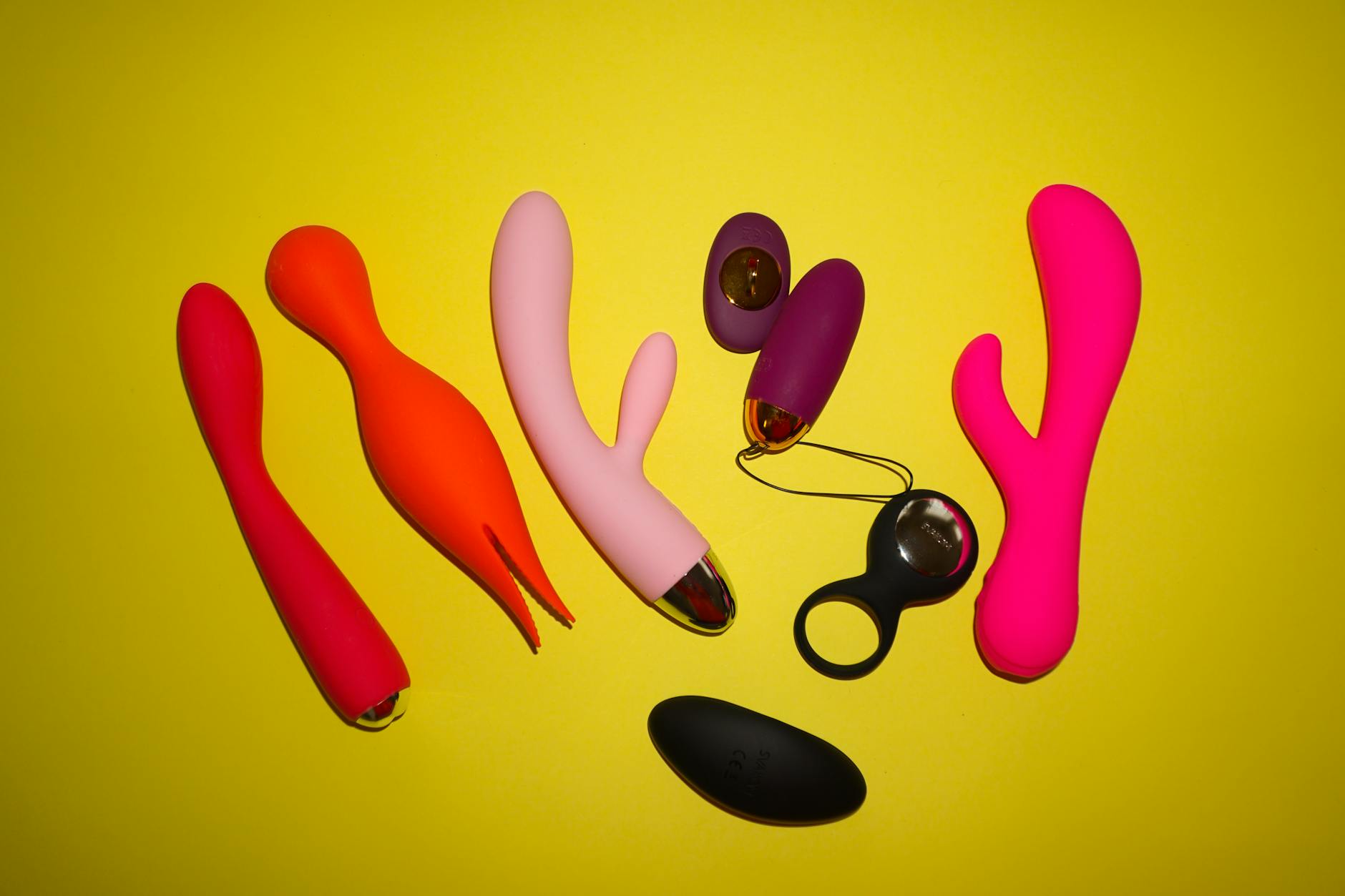
The conversation nobody knows how to start, plus timing, positioning, and what to actually say when you want to bring a clitoral vibrator into bed together.
· Marriage and Family Coach
·
·8 min read
Let's be real. Most people don't introduce a vibrator to their partner because they're scared it'll feel like criticism. Like they're saying "what you do isn't enough." That's the wrong read, but it's the one that stops conversations before they start.
Here's what I see in my practice: couples who integrate vibrators into shared pleasure report higher satisfaction, better communication overall, and less resentment around desire mismatches. The lemon vibrator isn't a replacement for anything. It's an addition. It's you saying, "I want more of this with you," not "I'm bored."
Don't bring this up during sex. Don't bring it up when you're frustrated. The best moment is calm, clothed, and not in the bedroom. I suggest a walk, a car ride, or sitting on the couch with tea. Anywhere that feels low-pressure and private.
If you share a bed, the bedroom already has emotional weight. A separate space helps.
Time it for when you're both relaxed but not tired. Post-dinner, pre-work stress, midweek when the day is manageable. Avoid the "we need to talk" opener. That triggers defense mode.
They might say "I thought I was enough" or "Do you want this because I'm not doing something right?" This is not rejection. It's fear speaking. Hear it.
Your response: "I want more pleasure. Not better pleasure or different pleasure. More. And I want it with you, which is why I'm asking instead of handling this alone."
Then: "A lemon clitoral vibrator isn't about you. It's about me. It's about what my body needs to feel incredible. And I want to feel incredible with you inside this."
That last sentence is load-bearing. It reframes the vibrator as something that brings you closer, not apart.
Show them if you have a specific one in mind. The lemon vibrator is a great entry point because it's shaped intuitively, easy to use, and the suction-style stimulation feels completely different from penetrative sex. It's not competing with anything.
If they seem open but unsure, you could say: "Let's start with me using it solo. Just so we both see how it works and it's not weird when there are two of us in the mix."
This gives them a chance to watch, get curious, and realize it's not threatening. A lot of partners become advocates once they see how much pleasure their person experiences.
Don't jump straight from conversation to bedtime. Let a few days pass. Then, when you're already intimate and things are heating up, you might say: "Do you want to keep going, or do you want to try that thing we talked about?"
See how it lands. You're giving agency. Not springing it.
When you do use it, here's what works: start with foreplay already happening. Use the vibrator on yourself while they watch or touch you. They can still penetrate, kiss you, or just be present. Many people find that watching their partner experience pleasure is incredibly hot.
If they seem uncomfortable once you start, pause. Not to abandon the idea, but to check in. "How are you feeling?" is better than pushing through.
If it's a logistics thing (awkward angle, unsure where to be), fix it. Move positions. If it's emotional (insecurity, feeling left out), talk about it after. Not during. During is for pleasure, not processing.
The conversation doesn't end. You might ask: "What did that feel like for you?" or "Want to do that again?" or "Want to try something different next time?"
Likewise, they should feel safe asking how it felt for you. "That was so hot to watch you come like that" is a common response from partners. Lean into that.
If it doesn't feel amazing the first time, that's okay. Most things improve with a second attempt. There's less novelty anxiety, more comfort, better positioning.
They're worried it means they're not satisfying you. Reframe: it's not about satisfaction. It's about variety. You can eat a meal you love and still want dessert. Both are good.
They're worried about performance pressure. Let them off the hook: "You don't have to 'do' anything different. I just want to add this in. You can relax and enjoy watching."
They're worried it'll become necessary. That's fair to address. "This isn't a requirement. It's an option. Some nights yes, some nights no."
They're worried about where it fits in your sex life. Give them a picture: "I'm thinking of it as foreplay sometimes, or during sex, or just for me solo when you're in the mood to watch."
Why specifically recommend this style of toy with partners? Because it separates stimulation from penetration so cleanly. If your partner is inside you and you're using a suction-style lemon vibrator on your clitoris, neither of you is wondering "is the toy in the way?" It's not. It's an accessory to what's already happening.
That clarity reduces anxiety. For you and for them.
Respect it. Don't push. But do ask why. Is it disgust, insecurity, or religious belief? Those are different conversations. Disgust might soften with time. Insecurity needs reassurance. Religious objection might not change.
What you don't do: shame yourself for wanting it. Your desire is valid whether they share it or not. You can use a vibrator solo, which many people do alongside partnered sex. That's completely normal.
Couples who integrate toys usually report that it opens other conversations. About timing, about positions you've never tried, about fantasies. A vibrator isn't the end goal. It's a door. Once you open it together, you're communicating about pleasure in a way you weren't before.
Q: Will my partner feel emasculated if I use a vibrator during sex?
A: Some initially. But that usually passes quickly. What helps is framing it in the moment. "I'm so turned on right now and I want to come. Watch me." Inviting them into the experience instead of excluding them changes the dynamic entirely. You're not retreating. You're including them in something that feels incredible.
Q: Should I ask permission before buying a vibrator?
A: Not necessarily. You don't need permission to own something for your own body. But if you plan to use it together, the conversation beforehand matters. A heads-up is different from asking permission. You can say, "I'm getting a lemon vibrator. I'd love to try it with you sometime," and that's stating intent, not requesting approval.
Q: What if we're embarrassed to use it together?
A: Embarrassment fades with repetition. The first time feels weird for most people. The second time feels normal. The third time it's just part of your sex life. One way to ease in is to keep the lights dimmer, focus on sensation rather than the visual, and talk about what feels good instead of making it about the toy itself.
Q: Can we use a lemon vibrator if we have mismatched libidos?
A: Absolutely. This is actually where it shines. If one partner has lower desire, a vibrator can make sex feel more reliably pleasurable for the higher-desire partner, which means they're less frustrated. That reduces resentment, which improves the relationship overall. Win-win.
Q: How do I bring up vibrators if we've never talked about toys before?
A: Start smaller. Ask what they think about vibrators in general before saying you want one. "Have you ever thought about using toys together?" is a lower-stakes opener. Then you can move into your actual want.
Q: What if my partner wants to use it and I'm the one feeling weird?
A: Same rules apply in reverse. Let yourself warm up to it. Watch them enjoy it. Realize it's not a threat. Participate at whatever level feels comfortable. You're not obligated to like everything your partner likes. But curiosity helps. And a lot of people discover they love watching their partner experience a different kind of pleasure.
A lemon vibrator, in a partnership, is a conversation starter. It's not about the toy. It's about being honest about what you want and inviting your partner into that instead of managing it alone. That honesty is what strengthens things. The toy is just the vehicle.
You deserve pleasure. You deserve to feel good with your partner. And they deserve to know what that looks like for you. Sometimes that includes a vibrator. That's not weakness. That's clarity.