Here's what nobody tells you about anxiety and pleasure
Your clitoris doesn't exist in isolation from the rest of your nervous system. When anticipation anxiety spikes, your body doesn't just feel nervous in your head. It changes how every sensory receptor behaves. A lemon vibrator that felt incredible last Tuesday might feel muted, too intense, or weirdly numb on Wednesday if anxiety has your nervous system in a different gear.
That's not a sign something is broken. It's a sign your nervous system is doing its job too well.
What anticipation anxiety actually does to arousal
Let's talk about the neuroscience without the jargon. Your nervous system runs on two main channels. The parasympathetic system is your rest-and-digest mode, where arousal happens easily. The sympathetic system is your fight-or-flight response, triggered by perceived threat or stress.
Anticipation anxiety shifts you toward sympathetic activation. Your body releases cortisol and adrenaline. Blood vessels constrict slightly. Your pelvic floor tightens. Your skin becomes less sensitive to light touch because your nervous system is allocating resources to scanning for danger, not processing pleasure.
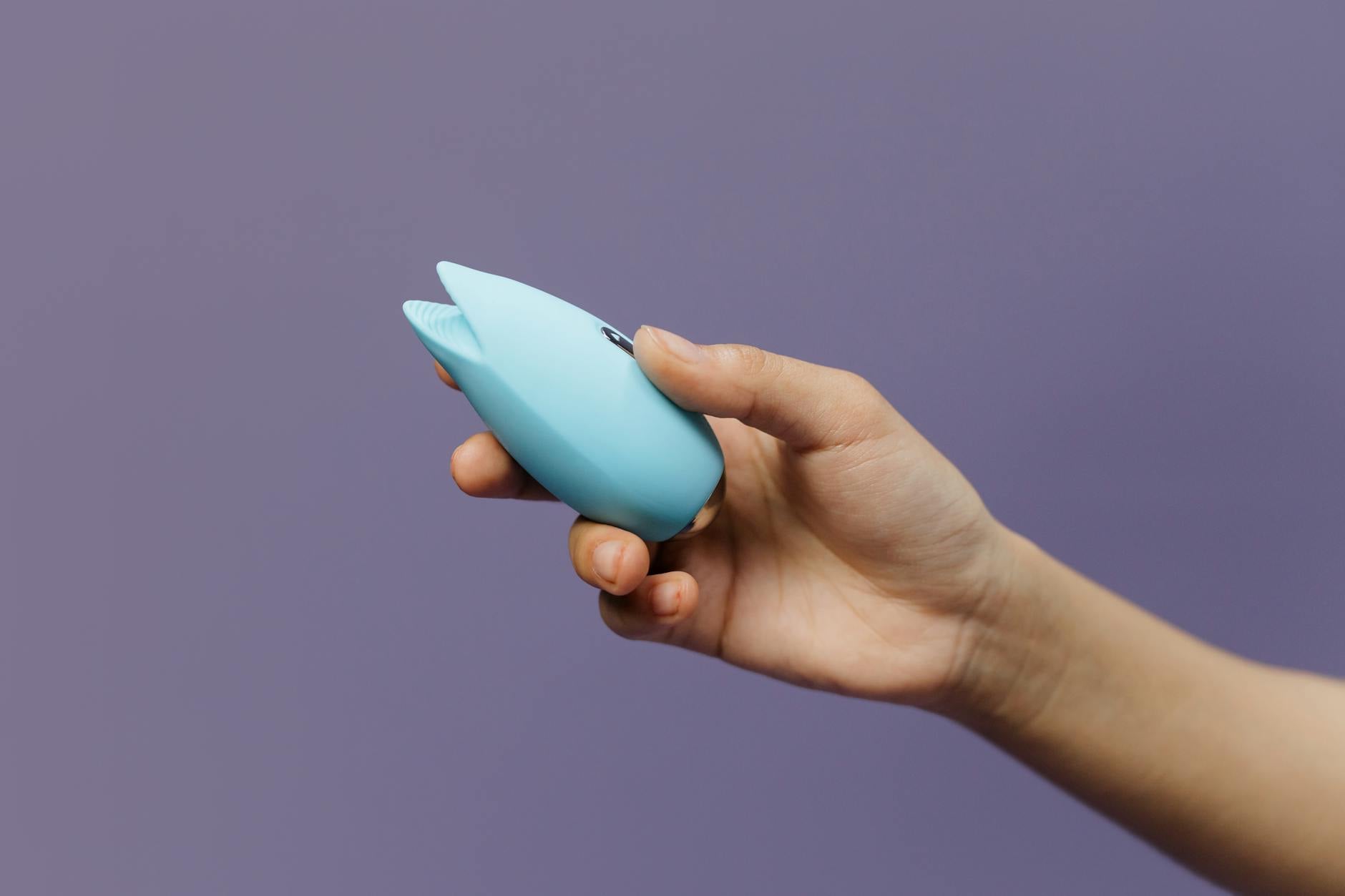
This is why a lemon clitoral vibrator might feel more intense, less pleasurable, or simply different when you're anxious compared to when you're calm. You're not imagining it. Your nervous system has literally recalibrated what sensation feels like.
Why anticipation anxiety shows up during pleasure specifically
There are three common scenarios where this happens.
Scenario 1: Performance pressure. You're with a partner who's waiting for you to orgasm, or you've set aside "sexy time" and now you feel obligated to be aroused. The pressure creates a low-level threat response. Your body senses judgment, even if your partner isn't judging.
Scenario 2: Trying to recreate a previous experience. You had an amazing orgasm with your lemon vibrator last week and now you're chasing it. The anticipation of that pleasure creates anxiety about whether you can access it again. Chasing intensity is a form of performance pressure directed at yourself.
Scenario 3: Worry that something is wrong. If you've noticed a change in how sensation feels, anxiety about "did I break something" can compound the issue. Your nervous system interprets the worry as a threat and tightens further.
All three share the same underlying pattern. Your mind creates a narrative of stakes. Your body interprets stakes as threat. Threat shuts down the parasympathetic nervous system, which is where pleasure lives.
The physical signs that anticipation anxiety is affecting sensation
Watch for these patterns when you're using a lemon vibrator during high-anxiety moments.
Sensation feels dull or muffled, even at higher intensities. Normally pattern three on the Lem feels sharp and focused. Now it feels like you're experiencing it through a glove. That's not the vibrator failing. That's your skin's sensitivity threshold rising due to sympathetic activation.
Your pelvic floor is holding tension. You might notice your legs trembling, your jaw clenching, or your glutes staying tight even though you're trying to relax. A tight pelvic floor dampens sensation and makes it harder for arousal to build. It's like trying to have a conversation while your shoulders are up by your ears.
The orgasm (if it arrives) feels flattened or takes significantly longer. Anxiety delays the sympathetic peak that triggers orgasm. What normally takes ten minutes takes twenty-five. The orgasm itself might feel smaller or more diffuse than usual.
There's a mental loop running underneath. You notice the sensation isn't working. You think "why isn't this working." That thought creates more anxiety. More anxiety tightens your pelvic floor and raises your sensation threshold further. Now you're in a feedback loop.
How to reset your nervous system before using lemon vibrators
The fix isn't willpower. It's literally changing your nervous system's activation state.
Step one: Drop the agenda. Tell yourself explicitly that orgasm is not the goal. Sensation is the goal. Pleasure is the goal. This single shift removes the performance frame and signals safety to your nervous system. When there's no finish line, there's nothing to fail at.
Step two: Do five minutes of deliberate breathing. Not meditation, not visualization. Breathing. Specifically, extend your exhale longer than your inhale. Breathe in for four counts, out for six. This activates your parasympathetic nervous system directly. Longer exhales literally tell your vagus nerve to calm down.
Step three: Warm up your body first. Take a shower. Lie in the sun for ten minutes. Stretch. Get your blood flowing in a non-sexual way. This signals to your nervous system that you're safe and that your body is available for sensation. Cold, tense bodies trigger sympathetic response.
Step four: Use a lemon vibrator on a lower intensity first. Don't jump to your favorite pattern. Start at pattern one or two. Let your nervous system acclimate. Build arousal gradually rather than forcing intensity. Anticipation anxiety often makes people want to skip the warm-up and go straight to high stimulation, thinking it will override the anxiety. The opposite works better. Gentler, longer engagement lets your parasympathetic system gradually take over.
The role of lemon clitoral vibrators specifically
Air-suction vibrators like the Lem work differently than traditional vibrators during high-anxiety moments. The suction pattern creates a rhythmic pulsing sensation rather than direct friction. That rhythm can actually help anxious nervous systems settle because rhythmic stimulation is soothing to the vagus nerve.
If you're using a basic vibrator and noticing that sensation feels muted during anxiety, switching to a lemon clitoral vibrator or similar suction-style toy might help. The different sensation pattern can interrupt the anxiety loop and give your nervous system something new to focus on. It's not magic. It's just a different neural pathway.
When to pause and when to keep going
Let's be clear about the difference between productive discomfort and harm. If you're nervous but your body is gradually opening up, that's fine. Nervousness sometimes accompanies good arousal. You're trying something new, or it's been a while, and your system is recalibrating.
Stop if you notice pain, persistent numbness despite trying the reset steps above, or a feeling of disconnection that doesn't soften over five to ten minutes. Those are signals that your nervous system needs a break, not more stimulation. Pushing through doesn't build pleasure. It builds a stronger association between pleasure and threat.
If anticipation anxiety is chronic and showing up every time you try to use a lemon vibrator or have sex, that's worth exploring with a sex therapist or counselor. Anticipatory anxiety that blocks pleasure repeatedly often has roots in old messaging about sex, performance pressure, or relational dynamics that benefit from professional support.
The mental shift that changes everything
Here's the thing nobody talks about. Anticipation anxiety thrives on the idea that pleasure should feel a certain way. That your lemon vibrator should work the same way every time. That your body should respond predictably.
It won't. Your nervous system changes based on stress, sleep, cycle (if you menstruate), relationship dynamics, work pressure, and a hundred other variables. The orgasm you had last week won't feel identical to today's orgasm. That's not failure. That's biology.
The moment you let go of needing your body to perform a specific way, anticipation anxiety loses its grip. You're not trying to recreate something. You're exploring what's available today. That shift in framing is the most powerful tool you have.
People also ask
Why do I feel less sensation when I'm anxious?
Your nervous system prioritizes threat detection over pleasure processing when you're anxious. Blood flow shifts away from your skin and toward your major muscle groups. Your palpable sensory threshold rises. It's a survival mechanism that misfires during moments you want to feel good.
Can lemon vibrators help with sexual anxiety?
They can help, but they're not a cure. A lemon clitoral vibrator provides consistent, predictable stimulation that can help your nervous system relax into sensation. The rhythmic suction pattern is particularly calming. But if the anxiety is relational or stems from old trauma, the vibrator is a tool within a larger approach that might include therapy or communication work with a partner.
Does anticipation anxiety mean something is wrong with me?
No. Anticipation anxiety is one of the most common experiences people have around pleasure. Your nervous system is just doing its job of protecting you. The issue isn't you. It's the mismatch between a system designed for survival and a moment designed for pleasure. That's fixable.
How long does it take for my nervous system to reset?
It depends. Some people feel the shift within five minutes of intentional breathing and warm-up. Others need twenty to thirty minutes of gradual, low-pressure exploration. The key is consistency. The more you practice approaching pleasure without performance pressure, the faster your nervous system learns to associate pleasure with safety.
Should I use my lemon vibrator if I'm feeling anxious?
You can, but adjust your expectations. Use it as a tool for nervous system regulation rather than for reaching a specific outcome. The goal becomes relaxation and sensation rather than orgasm. That reframe often paradoxically makes pleasure easier to access, not harder.
What if my partner's presence makes my anticipation anxiety worse?
That's worth talking about. Sometimes anxiety around pleasure with a partner relates to feeling observed or judged, even if that's not the partner's intention. Having a conversation about what would make you feel safer, taking solo time with your lemon vibrator first to remember what pleasure feels like without stakes, or using a slow-down ritual together can all help. If the anxiety persists despite communication, a couples therapist can provide specific techniques for this dynamic.
The bottom line
Anticipation anxiety changes how your clitoris responds to sensation. That's not a flaw in your body or your lemon vibrator. It's your nervous system doing what it evolved to do. The fix isn't pushing through or forcing pleasure. It's literally changing your nervous system's activation state through breathing, removing performance pressure, and building arousal gradually.
Your pleasure deserves a nervous system that feels safe. That's not selfish. That's the only condition under which real, sustained satisfaction actually happens. If you're consistently struggling with this, reach out to a therapist or sex educator who specializes in nervous system work. You deserve to feel good without the anxiety tax.
Need to talk through what's showing up for you? Hello Nancy's team is here to help. Get in touch.