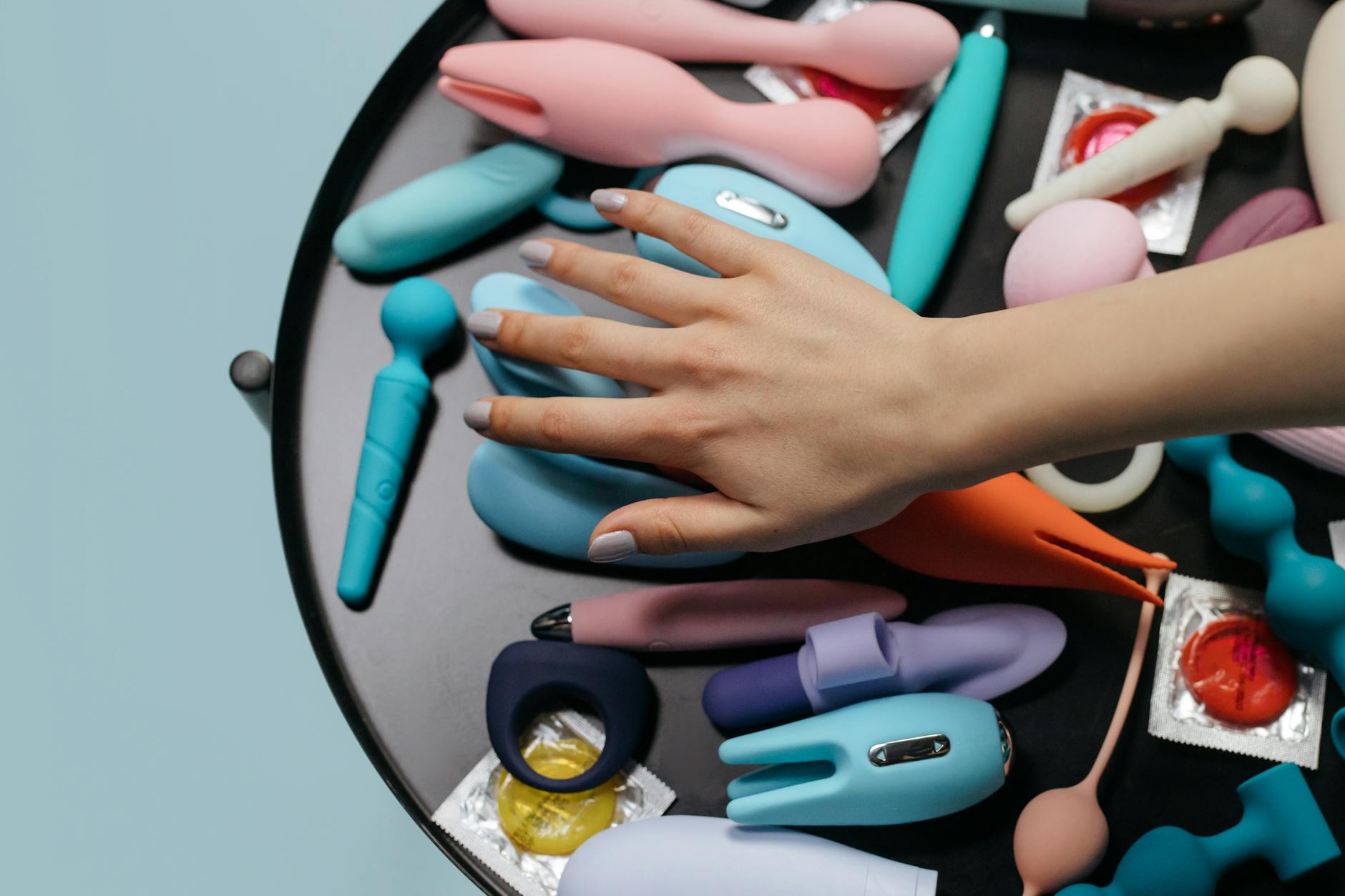
Let's talk about the part no one mentions
Your OB might tell you it's medically safe to have sex at six weeks postpartum. Your partner might be ready. You might think you're ready. But pleasure is a completely different conversation, and nobody prepares you for that one.
After childbirth, your nervous system has been through a major event. Your pelvic floor has stretched, possibly torn, possibly been cut. Your hormones are in freefall. Your brain is in survival mode. And somewhere under all that, there's still a body that knows how to feel good. The question isn't whether you can use a lemon vibrator again. It's when, how, and what your tissues actually need.
The timeline nobody explains clearly
Medical clearance and physical readiness are two different things.
Your doctor gives you the all-clear at six weeks (or twelve, depending on tearing and how delivery went). That's the healing threshold for internal tissue. Technically true. But "healed" doesn't mean "ready for sensation." There's a whole middle ground everyone skips over.
If you had a vaginal delivery without tearing, you might feel ready to explore around eight to ten weeks postpartum, sometimes sooner. If you had significant tearing, an episiotomy, or a cesarean section, eight to twelve weeks is more realistic, and some people need sixteen weeks before they feel anything close to normal arousal. If you're breastfeeding, hormonal shifts make everything feel different longer.
The point: the six-week clearance is a floor, not a ceiling. Your body will tell you when it's actually ready.
What's actually happening in your pelvic floor
Your pelvic floor muscles supported a pregnancy, stretched during labor, and now they're rebuilding. That process isn't linear. Some days it feels fine. Some days you can't even imagine penetration. Both are normal.
The muscles, fascia, and nerve endings in your pelvic floor are hypersensitive right now. That means stimulus that felt gentle before might feel sharp or overwhelming. It also means that some people find that lighter, external stimulation (like a clitoral vibrator) feels less threatening than penetration, even if full intercourse was cleared by their doctor.
This is where a lemon clitoral vibrator has real advantages over penetrative options. You're working with external tissue that's less traumatized, stimulation that you control entirely, and no pressure for depth or duration. You set the pace. You set the intensity. Your body gets to remember pleasure on its own schedule.
When you're actually ready to try
Three things have to be true before using a lemon vibrator after childbirth:
You're past the acute healing window. That's at least six weeks, usually more. No exceptions here. Before then, the risk of disrupting healing isn't worth it.
You feel some baseline arousal. Not full desire. Not partner-ready. Just a glimmer of interest in sensation that isn't sleep, feeding, or survival. If you're still in the fog, wait.
Your pelvic floor isn't acutely painful. Some tenderness is normal. Sharp pain, pain with certain movements, or pain that's getting worse instead of better means you need clearance from a pelvic floor specialist before trying anything.
If all three are true, you're ready to start exploring again.
How to ease back in with a lemon vibrator
First, set realistic expectations. This isn't about reaching orgasm. This is about reconnecting your nervous system with sensation in a way that feels safe.
Start with your lowest settings on your lemon clitoral vibrator. If it's something like the Lem, that means pattern one or two, with the gentlest suction setting. Not because you can't "handle" more. Because your pelvic floor nerves have been through something, and they need time to recalibrate.
Begin with external stimulation only. Your clitoris is external tissue that was less directly traumatized by delivery, and it's a beautiful place to start rebuilding sensation without any internal pressure. Spend several sessions, maybe two or three weeks, just with external play. Notice what feels good. Notice what feels too intense. Your body is remembering.
Keep sessions short. Five to ten minutes is plenty. You're not chasing orgasm yet. You're teaching your nervous system that pleasure is safe again.
Use a water-based lubricant even though you're staying external. Postpartum tissue is often drier, especially if you're breastfeeding, and even external play benefits from a little slip. It also reduces friction that might feel irritating to healing tissue.
What to expect emotionally
Here's what I see with my clients most often: the body is ready before the brain.
You might feel physically able to use a lemon vibrator and still feel... resistant. Touched out. Resentful of your body. Disconnected from the idea of your own pleasure because you're so deep in the grind of keeping a tiny human alive.
That's not failure. That's normal.
Pleasure after childbirth isn't selfish. It's medicine. It's your nervous system remembering that it can experience something other than alert or exhausted. It's dopamine and oxytocin in a moment that isn't about anyone else. Your body needs that, even if your brain hasn't caught up yet.
If you have a partner, this is worth telling them. Not to pressure yourself into readiness, but so they understand that your timeline might not match theirs. You can be medically cleared and still need weeks or months before pleasure feels integrated back into your sense of self. That's not rejection. It's reality.
The pelvic floor specialist question
If you're past twelve weeks postpartum and using a lemon vibrator still feels painful, sharp, or triggering, see a pelvic floor physical therapist. Some people need targeted help to rebuild nerve sensitivity and muscle flexibility after delivery.
Pelvic floor PT isn't just for pain. It's also for people who feel numb, disconnected, or like their tissue is just... different now. A good pelvic floor PT can help you understand what's happened and how to rebuild sensation and function intentionally.
If you had significant tearing or a cesarean section, consider pelvic floor evaluation as routine, not just if something feels wrong. Prevention is real.
Making it solo first, then partnered
I recommend that people explore sensation alone before bringing a partner in. Not because partnered play is wrong. Because it's harder to notice what your body is saying when you're also managing someone else's energy.
When you're alone with a lemon vibrator, you're not performing. You're not negotiating. You're not worrying if your partner is bored or uncomfortable. You're just you and your own returning pleasure. That's where real reconnection happens.
Once you've had a few solo sessions where things feel good (not orgasmic necessarily, just good), then you can bring a partner back in if you want to. But that happens on your timeline, not theirs.
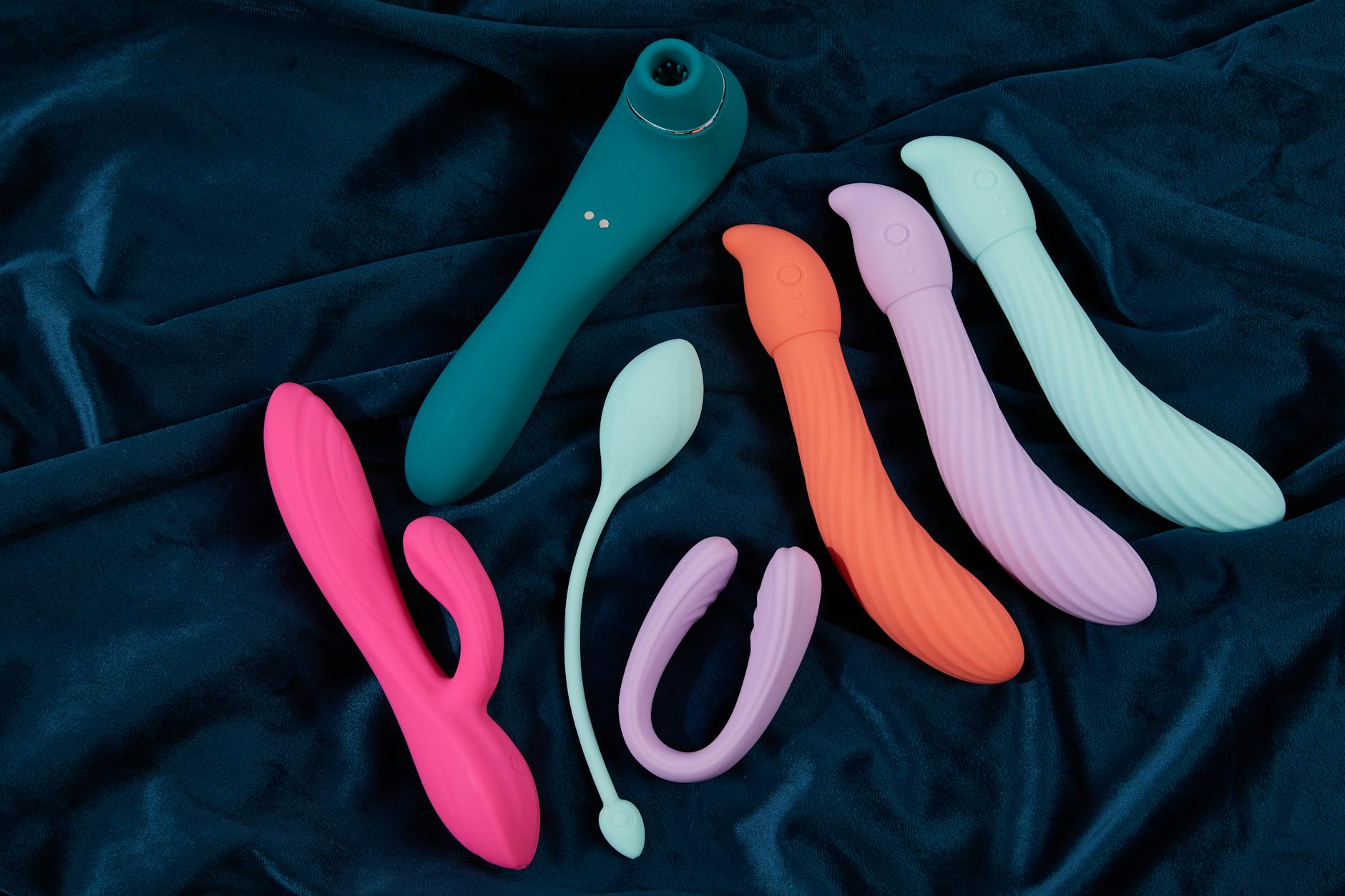
Photo by IFONNX Toys on Pexels
Troubleshooting common postpartum experiences
It feels numb. Nerve regeneration takes time. Some numbness in the postpartum pelvic floor is normal and usually resolves between three and six months. Keep exploring gently. Sensation often comes back before you notice it.
It feels hypersensitive. The opposite problem. Everything feels too intense, almost painful. Start with the lowest settings on your lemon vibrator and keep sessions very short. Your nervous system is in a heightened state and needs time to downregulate. You're not broken. You're recovering.
You feel nothing emotionally, even if sensation is returning physically. Postpartum depression and postpartum anxiety don't always announce themselves as sadness. Sometimes they show up as numbness, disconnection, or the inability to feel pleasure in things you used to love. If that sounds like you, talk to your doctor. That's not a sexual problem. That's a neurotransmitter problem, and it's treatable.
Intercourse still feels impossible. Stay with external play for longer. Some people need two or three months of solo clitoral exploration before internal sensation feels okay. That's not failure. That's your body setting a pace.
The bigger permission you actually need
Your body just did something extraordinary. It grew a human, pushed them out (or had them surgically removed), and now it's supposed to function like nothing happened while you're running on three hours of sleep and your hormones are in freefall.
Your pleasure matters. Not as a performance metric. Not as a way to "get back to normal" for your partner. But as part of reclaiming your body as your own again.
Using a lemon vibrator after childbirth isn't about rushing back to sex. It's about remembering that your nervous system can experience pleasure, safety, and sensation that belongs entirely to you.
Take your time. Listen to your body. And know that the version of pleasure you find on the other side of recovery might be completely different from before. That's not loss. That's evolution.
People also ask
How soon after a C-section can you use a lemon vibrator?
Medical clearance from your OB is typically six weeks for cesarean delivery, the same as vaginal birth. But C-section recovery is different. Your abdominal and pelvic fascia have been cut and are healing internally. External clitoral stimulation with a lemon vibrator is gentler than anything penetrative, so it's often a good place to start once you're medically cleared and feeling emotionally ready. Many people wait eight to twelve weeks and that's completely normal. Your pelvic floor wasn't stretched during labor, so some of the acute sensitivity might be less intense, but the overall hormonal and nervous system recovery is still significant.
Can I use a lemon clitoral vibrator while breastfeeding?
Yes, completely. Breastfeeding lowers estrogen, which can make tissue drier and sensation feel different. It doesn't make using a lemon vibrator unsafe. You might notice that arousal takes longer to build or feels less intense than pre-pregnancy. That's hormonal, not a sign that something's wrong. Keep using water-based lube, start with lower settings, and be patient with your body. When you wean or when estrogen rises again, sensation often shifts back.
What if I had severe tearing and pelvic floor therapy?
Wait until your pelvic floor therapist gives you clearance. Severe tearing or significant reconstruction means your tissue needs specialized attention. Once your therapist says you can explore, start even more gently than the timeline above suggests. Your tissue has been through more, and your nervous system might be more protective of that area. Consider a few sessions with your therapist specifically about returning to pleasure, not just function.
Is it normal to not want pleasure after childbirth?
Completely. Desire doesn't automatically bounce back at six weeks. You might feel touched out, exhausted, or entirely disconnected from sexuality. That's not failure. That's your nervous system prioritizing survival and bonding with your baby. Keep taking care of your physical and mental health. If disconnection persists past six months or feels like depression, talk to your doctor. But in the immediate postpartum period, low desire is so normal it's practically universal.
Can you damage healing if you use a vibrator too soon?
If you're past six weeks and medically cleared, using a lemon vibrator on external tissue shouldn't damage healing. External stimulation is lower-risk than penetration. That said, if using a vibrator causes pain, bleeding, or feels like it's disrupting healing, stop and check in with your doctor. Pain is your body's signal that something isn't ready. Listen to it.
What if orgasm feels completely different now?
It probably does. Your pelvic floor muscle tone has changed. Your hormones are different. Your neurological response to stimulation might have shifted. That doesn't mean orgasms are gone. It means they might feel shallower, or more internal, or require different rhythm or pressure than before. Give yourself months to explore and understand your new normal. Your pleasure hasn't disappeared. It's just rewriting itself.
The truth nobody tells you
Postpartum recovery isn't linear. Some days you'll feel ready to reclaim your sexuality. Some days you'll feel like you'll never want touch again. Both are real, both are part of the same healing journey.
Using a lemon vibrator during this time isn't about rushing back to "normal." It's about gently reconnecting with sensation, pleasure, and the parts of yourself that exist outside of motherhood. Your body knows how to feel good. It just needs time and patience to remember.
If you have questions about your specific recovery or need personalized support navigating this transition, reach out. We're here to help you rebuild pleasure on your own terms.