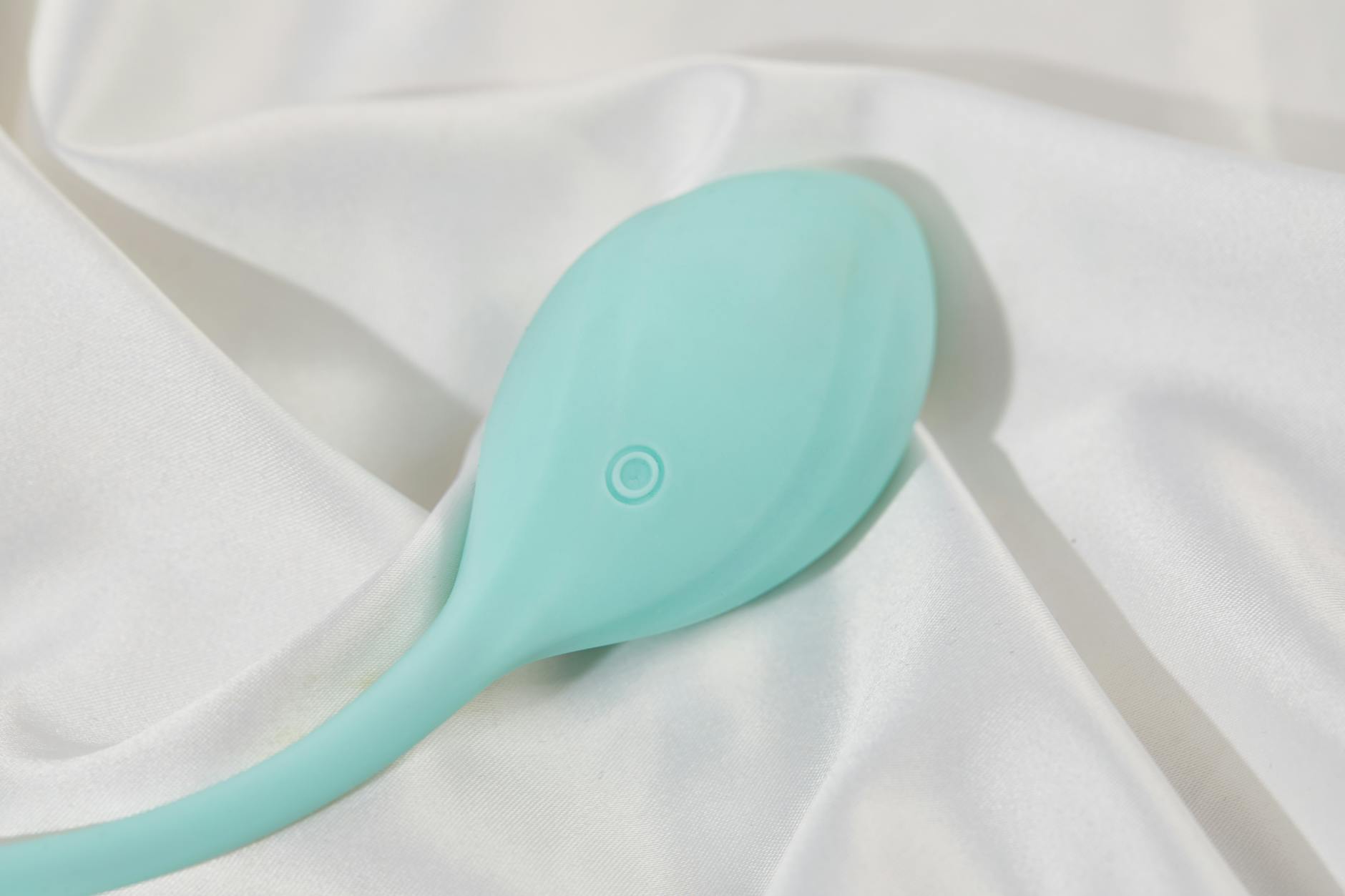
Lemon Vibrator After HPV Treatment: Reclaiming Pleasure Safely
Let's be real. After HPV treatment, your body doesn't feel like yours for a while. The cervix is irritated, tissue is inflamed, sensitivity is all over the place. And somewhere in that recovery window, you're probably wondering when sex stops being something to manage and starts being something to enjoy again.
Here's the thing: HPV treatments like cryotherapy, laser ablation, and LEEP procedures work by removing abnormal tissue. That's good. It's necessary. But it also means your cervix and surrounding tissue need time to heal, and during that window, pleasure takes a backseat. That doesn't mean it's gone. It means you need to approach it differently for a while.
I work with patients through this transition regularly, and the ones who recover best emotionally aren't the ones who rush back. They're the ones who understand what's happening physiologically and adjust their approach accordingly. That's where lemon vibrators and clitoral vibrators in general come in.
What HPV treatment actually does to your body
When your doctor performs a LEEP procedure or cryotherapy, they're removing cells from the cervix and surrounding tissue. The body responds by treating this as an injury. Inflammation follows. Tissue swells. The nerves in that area go haywire, sending mixed signals about what feels good and what doesn't.
This process typically lasts two to four weeks, though full healing can take eight to twelve weeks. During that time, you'll experience:
- Heaviness or cramping in the pelvic region
- Increased sensitivity to touch that used to feel neutral or pleasant
- Irregular discharge
- Spotting or light bleeding
- General discomfort during penetration
What's important to know: this is normal. It's not permanent. And your capacity for pleasure isn't damaged. The nerves are still there. The tissue will heal. You're just in a recovery phase.
Why lemon clitoral vibrators help during recovery
Unlike penetration, clitoral stimulation bypasses the healing cervical tissue entirely. A lemon vibrator or any quality clitoral vibrator lets you access pleasure pathways that don't require the area that's currently irritated to participate.
There's another advantage, and it's psychological. After a medical procedure, your body can feel foreign. Touch starts to feel clinical, scary, or just wrong. Reintroducing pleasure gradually, on your own terms, rebuilds the sense that your body is yours again. That's not nothing. That's foundational.
A lemon sucker or lemon clitoral vibrator specifically uses suction technology rather than direct friction. This matters during recovery because suction stimulates the clitoral nerves without the kind of mechanical pressure that can feel too intense on already-sensitive tissue. The pattern of stimulation is gentler, more rhythmic, and easier to control.
The timeline for pleasure after treatment
Week 1-2: Avoid any sexual activity. Your body is still in acute recovery mode. Rest. Use ice packs if your doctor approves. This isn't the time to experiment.
Week 3-4: If your doctor has cleared you, solo play with a lemon vibrator is worth considering. Start with lower intensity settings and shorter sessions. Five to ten minutes is plenty. Pay attention to what feels genuinely good versus what feels like you're testing your tolerance.
Week 5-8: You can usually increase duration and intensity. If partnered sex is on the horizon, a lemon clitoral vibrator can be part of foreplay before any penetration happens. This keeps stimulation focused on an area that's fully healed.
Week 8+: By full healing, most people find they're back to baseline sensitivity and arousal patterns. Sometimes pleasure is even better because the body has reset.
Starting slow with a lemon vibrator after HPV treatment
If you've never used a lemon sexual toy or any clitoral vibrator before, recovery isn't the best time to start. But if you've used one before, or you're considering one now, here's how to approach it thoughtfully.
First, get a clear signal from your doctor. Some practitioners give the all-clear at week three or four. Others want to see you in the office at week six before anything sexual happens. Follow your doctor's timeline, not internet guidelines.
Second, set expectations low. You might not have an orgasm. You might feel nothing. You might feel great for two minutes and then discomfort returns. All of those are normal. The goal isn't pleasure yet. The goal is reacquaintance. You're teaching your nervous system that this area can experience something other than pain.
Start on the lowest intensity setting. If you're using a lemon vibrator with multiple patterns, begin with the simplest one. Apply it for no longer than five minutes the first time. If that goes well, extend to ten minutes next time. Build gradually.
The emotional reset that matters more than you'd think
Here's what patients don't always expect: HPV treatment can create a psychological barrier that lasts longer than physical healing. You had cells that weren't normal. A doctor had to remove them. Somewhere in your brain, that translates into "my body is unsafe" or "my body is broken."
It's not. But you might feel that way for a while.
Using a lemon clitoral vibrator or another adult toy during recovery isn't just about pleasure. It's about reclaiming agency. It's you saying, "This is my body, and I get to decide what happens in it." That's restorative in a way that's hard to quantify but absolutely real in your nervous system.
If you're partnered, this also matters for your relationship. Many couples avoid any sexual contact for weeks after HPV treatment out of caution. That's medically smart. But it can also create distance. Reintroducing pleasure gradually, including with tools like a lemon sucker or vibrator, is a way of saying, "We're still us. This is temporary."
When sensitivity doesn't return to baseline
Most people find their sensitivity patterns normalize within two to three months of treatment. Some people take longer. A small percentage experience lasting changes to sensitivity or arousal that persist even after full healing.
If that's happening to you, it's worth a follow-up conversation with your doctor or a sex therapist. Sometimes lingering sensitivity is treatable with topical treatments or pelvic floor work. Sometimes it's about nervous system recalibration, and time plus intentional pleasure (including with a lemon clitoral vibrator) is the answer.
Lemon vibrators and other clitoral vibrators can also help you identify what's actually changed. If low-intensity suction feels good but direct pressure doesn't, that's useful data. If orgasm feels different but still present, your baseline has shifted but not disappeared. Understanding the specifics helps your doctor help you.
Building confidence alongside physical healing
One of the most underrated parts of recovering from HPV treatment is rebuilding your belief that pleasure is accessible to you. After weeks of discomfort, spotting, and medical procedures, your nervous system is probably braced for more pain. Pleasure feels like a luxury, or even a risk.
It's not. Your body heals. Sensitivity normalizes. Arousal returns.
Using a lemon vibrator during recovery is one way to actively practice that belief. Each time you use it and experience something good without pain following, your nervous system learns: this is safe, this is mine, this is allowed.
People also ask
How long after HPV treatment can I use a lemon vibrator?
Most doctors clear patients for gentle solo sexual activity around week three to four after treatment, but some prefer to wait longer. Ask your practitioner for a specific timeline. When you do start, use the lowest intensity setting on your lemon clitoral vibrator and keep sessions short. Five to ten minutes is a good starting point. If anything feels wrong, stop immediately.
Will HPV treatment permanently change my sensitivity?
No. Most people return to their baseline sensitivity within eight to twelve weeks of treatment. The cervix heals. The inflammation goes down. Sensation normalizes. Some people notice their sensitivity is actually sharper after recovery, probably because they've been more attuned to their body during the healing process.
Can I have penetrative sex while using a lemon sexual toy?
Not during active recovery. Your cervix is healing, and penetration risks reinjury or infection. Once you've gotten medical clearance and your cervix has fully healed, pairing penetrative sex with external stimulation from a lemon vibrator or other clitoral vibrator can actually enhance pleasure. But that's a later milestone.
Is a lemon sucker gentler than other vibrators for sensitive recovery?
Yes. Suction technology stimulates without friction, making it easier on tissue that's still tender or inflamed. That said, every person heals differently. What feels gentle for one person might feel too intense for another. Start low, pay attention, and adjust accordingly.
Should I tell my partner I'm using a vibrator during HPV recovery?
Yes. If you're partnered, transparency matters. This isn't secretive. This is part of your recovery toolkit. It also opens a conversation about what you both want as you move back toward partnered sex. Some couples integrate a lemon vibrator into foreplay intentionally, which can rebuild intimacy during a period when traditional sex feels off-limits.
When should I see a specialist if pleasure doesn't return?
If full physical healing has happened (twelve weeks post-treatment) and you're still experiencing pain, numbness, or total loss of arousal, that's worth mentioning to your doctor or a pelvic floor specialist. Sometimes lingering symptoms point to pelvic floor tension that's treatable. Sometimes it's a nervous system response that benefits from therapy. Either way, it's not something to just accept.
The road back is shorter than it feels
Right now, in the middle of recovery, it probably feels like pleasure is a long way off. It's not. Your body knows how to heal. Your nervous system knows how to reactivate arousal. A lemon vibrator or other clitoral vibrator is just a tool to remind your body that pleasure is still available to you, even while other parts of you are recovering.
Take it slow. Pay attention. Trust your doctor's timeline. And know that what you're rebuilding is real and worth the patience.
If you have questions about your recovery or want to talk through what's normal during this transition, reach out to us. We're here.