How to Use Lemon Vibrators When You're Returning to Sex After Long-Term Illness
Honestly? Illness steals more than your health. It steals months or years of your sexual self. When you come out the other side, you're not just picking up where you left off. You're a different person in a different body, and that matters.
I've worked with dozens of couples navigating this exact moment. One partner is finally well enough. The other is terrified it'll hurt. Both are grieving the easy, frictionless sex they used to have. And both are unsure whether desire is coming back or gone for good.
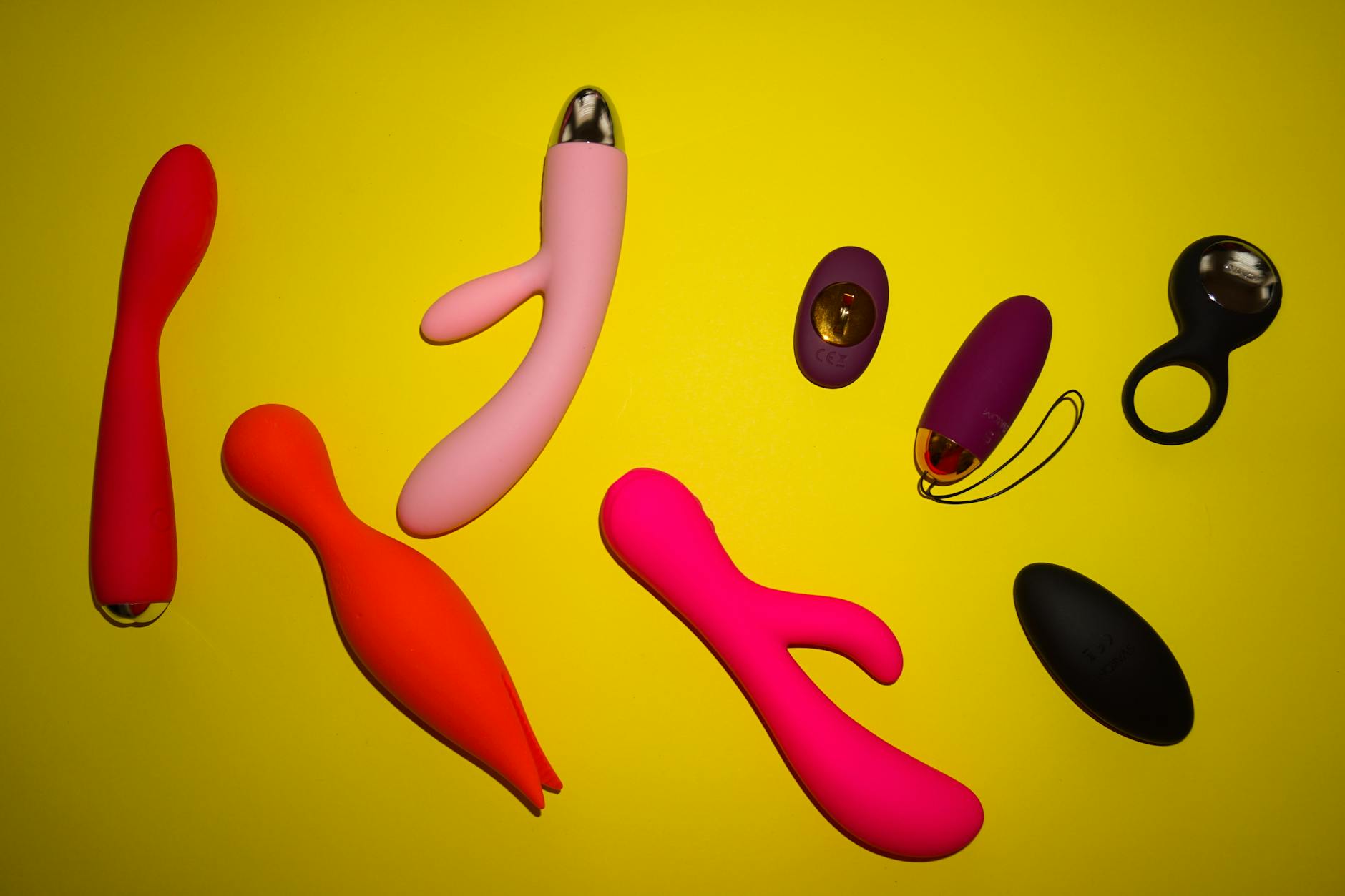
The truth is messier and better: pleasure returns on its own timeline, and tools like the Lemon Sucker's clitoral vibrator can help you meet yourself where you actually are instead of where you think you should be.
The physical reality after long-term illness
Your nervous system has been in survival mode. Whether it was months in bed, chronic fatigue, cancer treatment, or long COVID, your body learned to prioritize staying alive over pleasure. That's not a flaw. That's exactly what it was supposed to do.
When you're ready to return to sexual activity, three things are usually true at once: reduced cardiovascular endurance, diminished sensation or numbness in your genitals, and a pelvic floor that's either clenched tight or too relaxed from disuse. None of these mean you're broken. They just mean you need a different approach.
The Lemon clitoral vibrator is designed for this moment because it doesn't require the same stamina from you that partner sex does. You control the pace. You control the intensity. You can stop without negotiating or explaining. That agency alone is often the missing piece that makes pleasure possible again.
Start with solo exploration, not partner sex
There's cultural pressure to frame your first time back as a couple moment. Candlelight, patience, love. And if that's genuinely what you both want, great. But I'd recommend starting alone.
Why? Because you need information. How does your body actually respond now? Does clitoral touch feel good, numb, or hypersensitive? Do you need lubrication? How long can you comfortably be aroused before fatigue kicks in? What patterns on the vibrator feel best?
You can only answer these questions without an audience. Bring a water-based lubricant, give yourself 20 minutes, and explore. No goal. No orgasm requirement. Just curiosity.
Most people report that sensation returns faster than expected once they actually give it attention. And the relief of knowing your body still works is worth far more than forcing a performance for a partner.
Build tolerance gradually with lower intensity
If you're used to lemon vibrators or clitoral vibrators generally, you might assume you want the highest setting from the start. Don't. Your nervous system has been offline. Overstimulation will feel jarring and can actually set back your recovery.
Start on setting one or two. The Lemon sucker's air-suction technology is gentle by design, so even the lower settings create sensation without the aggressive buzz of traditional vibrators. Spend a few sessions here. Let your body remember what pleasure feels like at a low volume.
Incremental intensity is the secret to rebuilding sensation without fatigue. Move up one setting every few sessions, not every few days. This might take weeks. That timeline is normal and actually protective.
Watch for the fatigue ceiling
One of the hardest realities post-illness is that arousal uses energy. For some people, especially those recovering from ME/CFS, long COVID, or cancer treatment, sexual activity can trigger a crash hours or days later.
Pay attention to how you feel the next day. Are you more fatigued than baseline? Did you sleep poorly? Did your symptoms flare? If yes, you've found your fatigue ceiling. Work within it. That might mean 10 minutes instead of 30. That might mean twice a week instead of daily.
This isn't permanent. As your recovery progresses, your ceiling usually rises. But respecting it now means you'll actually be able to sustain sexual activity long-term instead of re-triggering your illness and going dormant again.
The emotional part is bigger than the physical part
Sometimes libido doesn't return because the body is still recovering. Sometimes it doesn't return because grief is still sitting on top of it. Illness takes your autonomy, your health, your normalcy. Your body was the vehicle through which it all happened. Of course reconnecting with pleasure feels complicated.
If you're using a lemon clitoral vibrator or any sexual tool and you hit a wall of emotion, that's not a sign you're broken. That's your nervous system processing. Stop. Cry. Journal. Tell your partner what you need. Sexual recovery and emotional recovery aren't the same timeline.
I've worked with many people who found that a few sessions with a therapist who specializes in medical trauma made the difference between pleasure feeling accessible and pleasure feeling impossible. It's worth considering, especially if you're months into recovery and desire still feels out of reach.
When to involve your partner
There's no timeline. When it feels right, it probably is.
That said, the best transitions I've seen follow this shape: you've had a few solo sessions. You know what feels good. You've talked to your partner about what you discovered. Then, you invite them to watch or participate in a very low-pressure way.
This doesn't mean full sex. It might mean: "I want you to see how I'm exploring again. No expectations. You can just be here." It might mean using the lemon vibrator together while staying clothed, just to rebuild the sense that sexual touch is safe.
The key is that you're not discovering your new body in front of your partner for the first time. You already know the map. Now you're sharing it.
FAQ: Returning to pleasure after illness
Is it normal to feel numb down there after long-term illness?
Completely. Whether it's from medications, nervous system dysregulation, or just months of your body being in shutdown mode, decreased sensation is one of the most common post-illness complaints. It usually improves with gentle, consistent stimulation. A lemon clitoral vibrator gives you that stimulation without the pressure to "perform" sensation you don't have yet.
How long does it take for desire to come back?
There's no standard timeline. For some people, desire returns within weeks of physical recovery. For others, it takes months or years, especially if the illness was severe or traumatic. Patience with yourself matters more than any recovery metric. Your desire will return when your nervous system feels safe enough to prioritize pleasure again.
Can I use lemon vibrators if I'm still in treatment or recovery?
That depends entirely on your medical situation. If you're cleared by your doctor to resume sexual activity, using a vibrator is usually fine. If you're still in treatment, ask your care team specifically. Some treatments make internal touch uncomfortable, but external clitoral stimulation with a tool like the Lemon sucker is often still possible and helpful.
What if my partner is frustrated that sex hasn't returned to normal yet?
This is the harder conversation, but the necessary one. Your partner's frustration is real. Your recovery is also real. These things coexist. If your partner is pushing for a timeline you're not ready for, that's a couples therapy conversation, not a solo recovery conversation. A therapist can help you both grieve what you've lost while building something sustainable for what comes next.
Does using a vibrator mean my partner isn't enough?
No. After illness, your body needs different things than it did before. A lemon clitoral vibrator isn't a statement about your partner. It's a tool that helps you access sensation and pleasure on your own terms. Many couples find that reintroducing vibrators actually improves partner sex because you're coming to it with clearer information about what your body needs.
How do I know when I'm ready to try partner sex again?
You feel curious instead of obligated. Your solo sessions feel good most of the time. Your fatigue isn't getting worse. Your partner has been patient and respectful of your timeline. You've talked about what you both need and what you're both scared of. If all of those are true, you're probably ready. And even then, it's okay to start slow and stop anytime it doesn't feel right.
The long view
Recovering your sexual self after illness is not about rushing back to baseline. Baseline was interrupted. What you're building now is something new, informed by what your body has learned about survival and what your heart has learned about patience.
Tool like lemon vibrators exist because pleasure matters. Not as performance. Not as obligation. But as a thread that connects you back to yourself when everything else has been stripped away. The Lemon sucker's clitoral vibrator is built for precision and control, which is exactly what you need right now.
Your pleasure will return. It might look different. It will be worth the wait.