
Here's the thing about sensation after 40
Your clitoris hasn't gone anywhere. But something has shifted. Maybe intensity feels muted. Maybe arousal takes longer to build. Maybe patterns that worked for twenty years suddenly feel like you're searching for the right frequency on a radio that's moved.
This isn't broken. It's real, and it's way more common than anyone talks about. The nerve endings are still there. The pathways are still firing. What's changed is hormonal chemistry, blood flow, and tissue responsiveness. And once you understand that, lemon vibrators work differently. Not worse. Just differently.
What actually changes in the body after 40
Let's separate fact from fiction. After 40, estrogen and testosterone both shift. These hormones influence clitoral tissue thickness, blood flow to the genital area, and how quickly the nervous system responds to stimulation. Your clitoris may take longer to engorge. The tissues may be slightly less plump, which can feel like reduced sensation even though the nerve density hasn't changed.
At the same time, your brain's reward circuitry is still intact. In fact, many people report sharper orgasms after 40. What changes is the path to get there, not the destination.
The good news? Clitoral vibrators like those from Lemon Sucker are often more effective in your 40s than they were in your 20s. Why? Because air-suction technology and targeted pulse patterns work with these physiological shifts instead of against them.
Why lemon vibrators work better as sensation shifts
Traditional vibrators rely on direct, consistent vibration. That works beautifully if your tissue is fully engorged and blood flow is immediate. But after 40, you may need a longer warm-up, and your clitoris may respond better to patterns that build gradually rather than hit at max speed from the start.
Lemon clitoral vibrators use a different mechanism. Suction-based stimulation doesn't depend on direct friction. It creates a gentle pressure and release cycle that coaxes blood into the tissue and activates deeper nerve clusters. This approach often feels less harsh and more effective for people whose sensation has become more nuanced.
The pulses on a lemon vibrator can also be varied and customized. Start at pattern 1 or 2, build intensity over time, and switch between patterns mid-session. This rhythmic variation is actually closer to how many people naturally experience arousal as they age. Consistent intensity without variation can feel one-note. Variation feels alive.
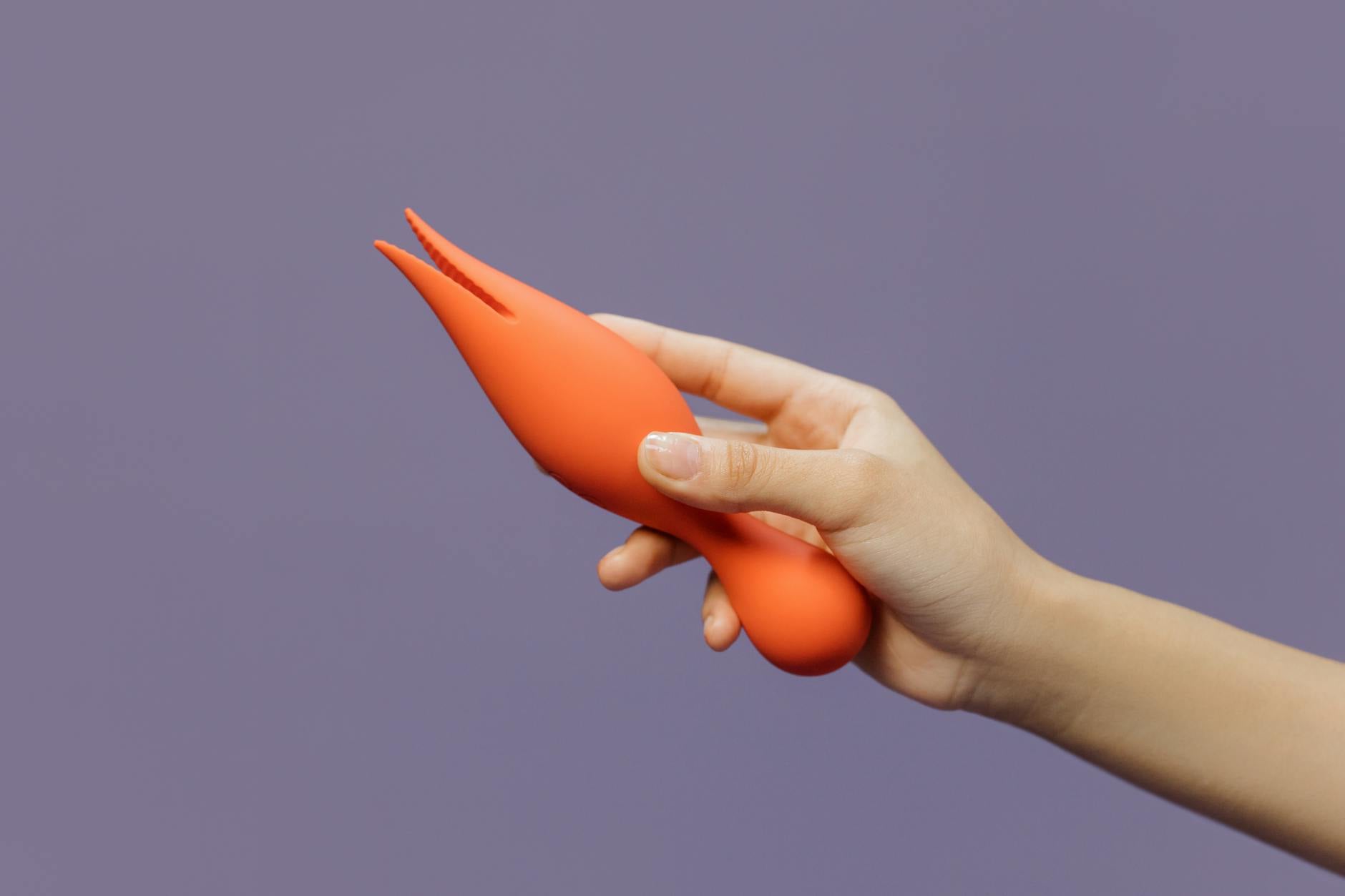
Photo by cottonbro studio on Pexels
Building arousal when warm-up time has stretched
One of the most consistent shifts after 40 is arousal timeline. Where you used to reach peak arousal in five minutes, it might now take fifteen. This isn't a loss. It's a change in rhythm that often leads to deeper, more satisfying experiences.
The strategy: front-load your warm-up. Before using a lemon vibrator, spend ten minutes on non-genital touch. Hands on your body, whatever feels good. Let blood flow redirect toward pleasure. This isn't ceremonial. It's physiology. By the time you bring the vibrator into the picture, your tissues are already responding.
When you start using the clitoral vibrator, begin at the gentlest setting and stay there longer than feels necessary. Patience now pays off later. Many people over 40 find that this slower building actually produces more intense orgasms than the fast-track approach ever did. Your nervous system is responding differently, and that's not a bug. It's an upgrade.
Sensation mapping: Finding your pleasure architecture
As sensation shifts, your pleasure map may shift too. The exact spot on your clitoris that used to trigger instant response might not be the sweet spot anymore. Instead of frustration, treat this as discovery.
Take time to explore with your lemon vibrator. Focus on the upper left quadrant, then upper right. Try direct stimulation, then angle the device slightly. Notice which patterns at which speeds create actual feeling, not just vibration. You're mapping new terrain. This takes patience, but the payoff is an intimate knowledge of what works now.
Many people also find that after 40, indirect stimulation becomes more powerful than direct. Instead of applying the vibrator straight to the clitoris, try it on the clitoral hood, the pubic mound, or the inner labia. You may discover that you prefer sensations that hit the broader clitoral network rather than the tip alone.
Why antidepressants, hormonal shifts, and stress matter
If sensation has dimmed dramatically, don't automatically blame age. If you're on SSRIs or other antidepressants, that affects sexual response independently of aging. If you're perimenopausal or dealing with thyroid changes, that's a separate issue. And if you're stressed, burnt out, or emotionally drained, your nervous system may be downregulating pleasure as a protective measure.
Before you troubleshoot your vibrator technique, name what else might be in play. Sometimes the issue isn't sensation. It's mental load. It's medication side effects. It's hormonal. When you identify the real culprit, you can address it directly instead of assuming your body has permanently changed in ways it hasn't.
If you're truly stuck and nothing improves, a conversation with a provider who specializes in sexual health can rule out things like clitoral neuropathy or vascular changes that do need medical attention.
The role of water-based lube and comfort
After 40, lubrication often decreases. This isn't optional. Use water-based lubricant every time you use a lemon vibrator, even if you're self-lubricating. This isn't about being broken. It's about reducing friction on tissue that's naturally thinner, and it changes the entire experience.
Lube also conducts sensation differently. It smooths the surface, reduces micro-friction that can feel uncomfortable, and allows the vibrator to glide and pulse without catching. The addition of lube often makes people report that sensations feel sharper and more defined, not less.
Beyond lube, comfort matters. If you're holding tension in your legs, back, or pelvic floor, that tension blocks sensation. You can't feel deeply if you're braced. Before and during use, consciously relax. Deep breaths. Let your body be heavy. Permission to not perform, not reach for a goal, not achieve anything. Just receive sensation.
When to switch patterns, when to stay
One advantage of lemon clitoral vibrators over 40 is versatility. Don't get stuck using the same pattern every time. Your body responds to novelty. After a few minutes at pattern 2, switch to pattern 4. Then back to 1. The rhythm changes activate different nerve pathways and prevent adaptation fatigue, where your nervous system stops registering a constant input.
If you hit a plateau where sensation feels stuck, pause the vibrator entirely for thirty seconds. Let blood flow reset. Then restart at a different pattern. This micro-variation often reignites sensation that felt like it was fading.
Some sessions will be about consistent, building intensity toward orgasm. Other sessions will be about exploration and sensation without a finish line. Both are valuable. Orgasm isn't the only marker of pleasure. After 40, many people find that sensation for its own sake feels richer than rushing toward a goal.
When to see someone about significant changes
If sensation has completely vanished, if arousal is painful rather than slow, or if things have shifted dramatically in a short time, don't wait. A gynecologist trained in sexual health or a pelvic floor specialist can rule out things that do need attention. Genitourinary syndrome of menopause, clitoral neuropathy, or vascular insufficiency are all real, and all treatable.
For most people, though, the shift in sensation after 40 is normal and navigable. It's not a decline. It's a recalibration. And when you work with your body's new architecture instead of against it, pleasure often deepens in ways you couldn't have accessed before.
FAQ: Sensation, aging, and how lemon vibrators adapt
Why does stimulation feel less intense even with a strong clitoral vibrator?
After 40, hormone levels and blood flow change, affecting how quickly genital tissues engorge and respond to stimulation. This isn't about nerve damage. It's physiology. The solution is longer warm-up time, water-based lubricant, and often a shift away from constant high-intensity vibration toward varied patterns that build gradually. Many people find that suction-based lemon vibrators are more effective than traditional vibrators because they don't require the same level of tissue engorgement to feel good.
Can antidepressants permanently change my sexual response?
SSRIs and some other antidepressants can reduce sexual sensation and delay orgasm. These effects are often dose-dependent and sometimes reversible if you adjust medication timing or dosage with your provider's help. But they're separate from age-related changes. If you're on antidepressants and sensation has dimmed, talk to both your prescriber and a sexual health specialist. There are workarounds, and you don't have to choose between mental health medication and pleasure.
Does it take longer to orgasm after 40 because something is wrong?
Not at all. Longer arousal buildup is normal after 40 and isn't a sign of dysfunction. It's a shift in your nervous system's timing. The upside? People who spend more time building arousal often report deeper, more satisfying orgasms. This isn't a trade-down. It's a different path to a potentially richer destination.
Should I be using a lemon vibrator differently now than I did at 30?
Yes. Start at lower intensity levels. Use water-based lubricant. Spend more time on warm-up before using the vibrator. Explore new areas of your clitoris and external genitalia. Vary patterns instead of staying in one. If direct stimulation feels too intense, try angles and indirect approaches. The fundamentals are the same, but the technique adapts to how your body is responding now.
Is it normal for sensation to shift with hormonal cycles?
Completely normal. Especially if you're perimenopausal, sensation fluctuates with estrogen levels. Some weeks, direct clitoral stimulation feels amazing. Other weeks, you might prefer broader external stimulation or internal work. Track these patterns. You're not broken or inconsistent. Your body is responding to real hormonal changes. A lemon vibrator's flexibility makes it easy to adapt to these weekly or monthly shifts.
If I've always been anorgasmic, will things get harder after 40?
Not necessarily. Some people find that the slower, more patient approach required after 40 actually works better for anorgasmia than fast-paced stimulation ever did. You may need to explore different patterns and techniques when you're over 40 with a clitoral vibrator, but age isn't a barrier. It's often an opportunity to approach pleasure differently.
Can hormonal therapy help restore sensation?
In some cases, yes. If you're perimenopausal or postmenopausal, testosterone or topical estrogen therapy can improve sexual response. But these are individual decisions that require consultation with a provider. They're not automatic solutions, and they're not necessary for everyone. Many people find that technique adjustments with a lemon vibrator work just as well as medical intervention.
The real shift: Pleasure gets smarter, not smaller
Your sensitivity isn't disappearing after 40. It's becoming more specific, more responsive to variation, and often more intense. The pathway is different. The time frame is longer. The approach requires more nuance. And for most people, that means pleasure that's deeper, more satisfying, and more connected to who you actually are now.
Lemon vibrators are built for this. Air-suction technology, varied patterns, and customizable intensity mean you have tools that work with your body as it is, not as it was. That's not a workaround. That's an upgrade.
If sensation feels genuinely stuck or painful, reach out to our support team. We're here to help you find the right approach, not the right product.