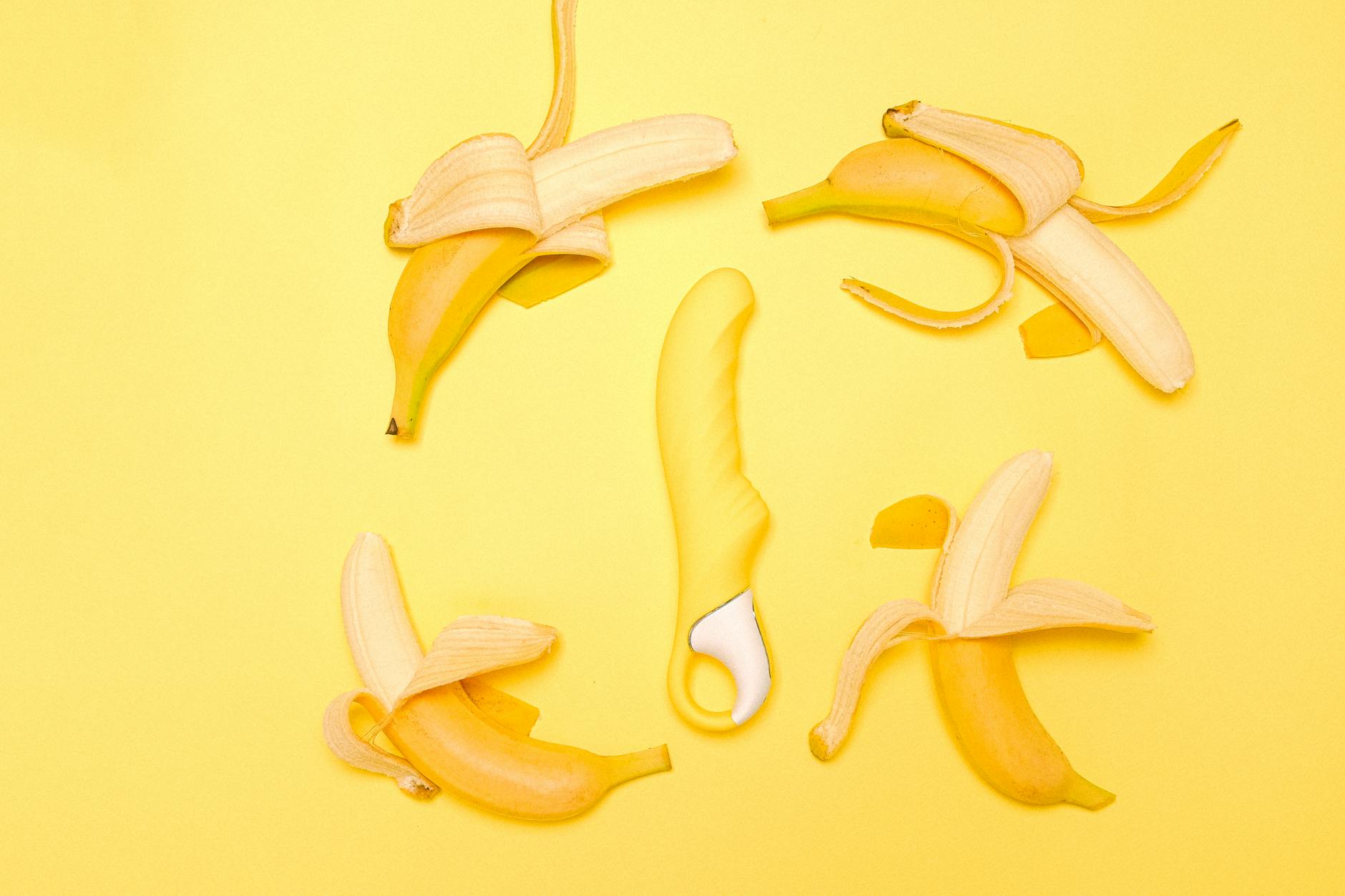
Perimenopause is the window before menopause officially lands, and it's when your hormones start playing switcheroo with your body. Estrogen fluctuates wildly. Progesterone drops. And one of the first things to vanish? Clitoral sensitivity.
Estrogen doesn't just fuel desire. It maintains the health and thickness of the tissue surrounding your clitoris, keeps blood flow robust, and supports the delicate nerve endings that fire when stimulated. During perimenopause, estrogen levels spike and crash unpredictably. This means sensitivity becomes erratic. One day you're responsive; the next, you feel like you're touching the clitoris through a pane of glass.
Your clitoral nerves are still there. The capacity for pleasure hasn't gone anywhere. What's shifted is the signal strength. That's why standard vibrators, even ones that worked beautifully before, suddenly feel like they're working too hard or not hard enough simultaneously.
This is also why generic advice like "just relax more" or "use more lube" misses the mark entirely. You need a different approach to sensation during this window.
Lemon Sucker's clitoral vibrators are designed with precision. They use suction combined with vibration, which stimulates nerves without relying on deep mechanical pressure. This matters because perimenopause-thinned tissue responds better to gentler sustained stimulation than to friction-heavy buzz.
Suction creates a seal around the clitoris and then releases rhythmically. This engages more of the vulva at once, which can actually be more effective when individual nerve sensitivity is muted. You're not trying to overpower your body into response. You're rewaking it with consistent, focused input.
The technique shifts too. A lemon vibrator invites slower, longer sessions rather than fast sprint-to-orgasm pressure.
During perimenopause, ovulation gets weird and unpredictable, but you still have windows when estrogen naturally rises. If you've been tracking your cycle at all, you probably notice that some days feel more sensitive than others.
Sensitivity usually peaks roughly mid-cycle when estrogen surges before ovulation. If you've lost sensation, try using your lemon clitoral vibrator during these peak windows first. This teaches your nervous system what responsive sensation feels like again, and it builds momentum.
The second golden window is the few days right before your period, when progesterone drops and estrogen spikes one last time. Some people find this phase even more responsive than mid-cycle.
Yes, this requires a bit of intentionality. But the payoff is real. You're working with your body's natural rhythms instead of fighting them.
Before perimenopause, you might have gotten aroused in five minutes. Now budget fifteen to twenty. This is not a flaw in your system. It's a signal that your body needs time to accumulate sensation.
Start by touching yourself without any toy. Build arousal gradually. Let your skin warm up. When you feel the first hints of response, then introduce the lemon vibrator at the lowest setting.
Many people make the mistake of jumping straight to a vibrator at medium-high intensity, expecting the same instant hit they used to get. That backfires during perimenopause. Your nervous system needs to remember what pleasure feels like. It can't do that if you're demanding intensity before the foundation is there.
The rhythm matters too. With suction-based vibrators, the pulsing pattern often feels better than constant vibration when sensitivity is low. Rhythmic input gives your nerves time to reset between stimulations.
Estrogen drops mean tissue thins, which means friction feels different. Water-based lube helps, but during perimenopause, a slicker formula gives you better sensation because you're not fighting dryness.
Here's what I recommend: use a generous amount of water-based lube on your vulva before you touch the lemon vibrator. This reduces friction and lets the suction work more efficiently. The seal needs moisture to form properly anyway.
Silicone-based lubes feel richer, but they can damage silicone toys, so stick with water-based if you're using a lemon vibrator.
During perimenopause, the pelvic floor naturally tightens because of changing estrogen. A tight pelvic floor actually reduces clitoral blood flow and dampens sensation further. It's a spiral that reinforces numbness.
Before you use your lemon vibrator, spend a minute consciously relaxing your pelvic floor. You can do this by breathing deeply (long exhales) or by contracting and releasing deliberately a few times to teach your body the difference.
This is separate from Kegels. You're doing the opposite. You're learning to let go.
Once you start using the vibrator, notice if you're tensing up as sensation builds. If you are, pause and breathe. The pleasure won't feel richer if your pelvic floor is clenched. Most of the signal gets blocked.
If you have a partner, this period is actually a great time to rebuild intimacy around sensation, not just orgasm. That's because you both have to slow down and pay attention.
Have your partner apply their own touch to your vulva while you use the lemon vibrator. Alternating between toy and hand can wake up different nerve pathways. Or use the vibrator while they touch your breasts or inner thighs. Combining sensations in different zones amplifies overall pleasure.
The key: make it collaborative. This is not their job to fix you. You're exploring sensation together. That mental shift changes everything.
You probably won't feel instantly restored. Sensitivity returns gradually as your hormones stabilize and as your nervous system remembers what stimulation feels like. For some people, this takes weeks. For others, a few months.
What matters is that it's not permanent. Perimenopause is a phase. Sensitivity does return, especially if you're actively rebuilding the connection.
Start tracking what works. Which settings on the lemon vibrator feel best? Which days of your cycle? What kind of warm-up actually gets you there? This data becomes valuable as you move through perimenopause and eventually into menopause itself.
If you're using a lemon clitoral vibrator and still not feeling much, the issue usually isn't that you need more power. It's that the pattern doesn't match your current sensitivity.
Most lemon vibrators offer multiple patterns. Try switching away from the basic steady buzz to a pulsing or wave pattern. Rhythmic input engages different nerve fibers than constant vibration.
If pulsing still feels flat, try holding the vibrator slightly off the clitoris, letting the sensation be diffused across a wider area rather than concentrated. This sounds counterintuitive, but during perimenopause, distributed stimulation sometimes works better than pinpoint pressure.
Clitoral sensitivity during perimenopause isn't something that bounces back without attention. But it also isn't something you should accept as permanent loss. The middle road is where the real work happens.
Using the right tool, at the right time, with the right technique, and with realistic expectations makes all the difference. A lemon vibrator is built for exactly this kind of nuanced work.
Your pleasure matters enough to invest time in rebuilding it.
Sensitivity typically begins returning within two to four weeks of consistent exploration, though full restoration can take several months. The timeline depends on where you are in perimenopause, your overall hormone levels, and how regularly you're engaging in stimulation. Think of it like physical therapy for your nervous system. Regular input produces faster results.
No. Perimenopause is a transitional phase, and once your hormones stabilize (whether naturally through menopause or through hormone therapy), clitoral sensitivity usually returns. However, waiting passively for that to happen means months of lost sensation. Active engagement with tools like lemon vibrators speeds the process significantly.
More often is usually better than less often, but not in a forced way. If you're using your vibrator three times a week and not feeling results, trying five times a week might help wake up sensation faster. But if daily use feels like a chore, three times weekly with full presence beats daily use without engagement.
Yes, often dramatically. If your perimenopause symptoms are severe and affecting quality of life, talking to a doctor about hormone replacement therapy is worth considering. Many people find that even low-dose HRT restores sensation within weeks. This works alongside using lemon vibrators, not instead of them.
Absolutely. Lying on your back with your hips slightly elevated gives the clitoris optimal access and lets you control exactly how much pressure the vibrator applies. Some people find that lying on their stomach, with the vibrator pressed upward, engages different nerve pathways. Experiment and notice what angle produces the earliest sensation.
It's not about attraction or desire for them. This is pure biology. Have a direct conversation: "My body is going through hormonal changes that shift sensation. This is temporary and has nothing to do with how I feel about you." Then invite them into the solution. Using a lemon vibrator together, or having them provide touch while you use one, reframes it as a shared exploration rather than a problem you're hiding.
Based on clinical research in reproductive endocrinology and sexual medicine, this content reflects evidence-based understanding of perimenopause physiology. Key areas covered include hormonal fluctuations during the perimenopause transition, estrogen's role in clitoral tissue health and nerve function, the efficacy of suction-based stimulation for reduced-sensitivity conditions, and pelvic floor tension as a modulator of clitoral blood flow and sensation.