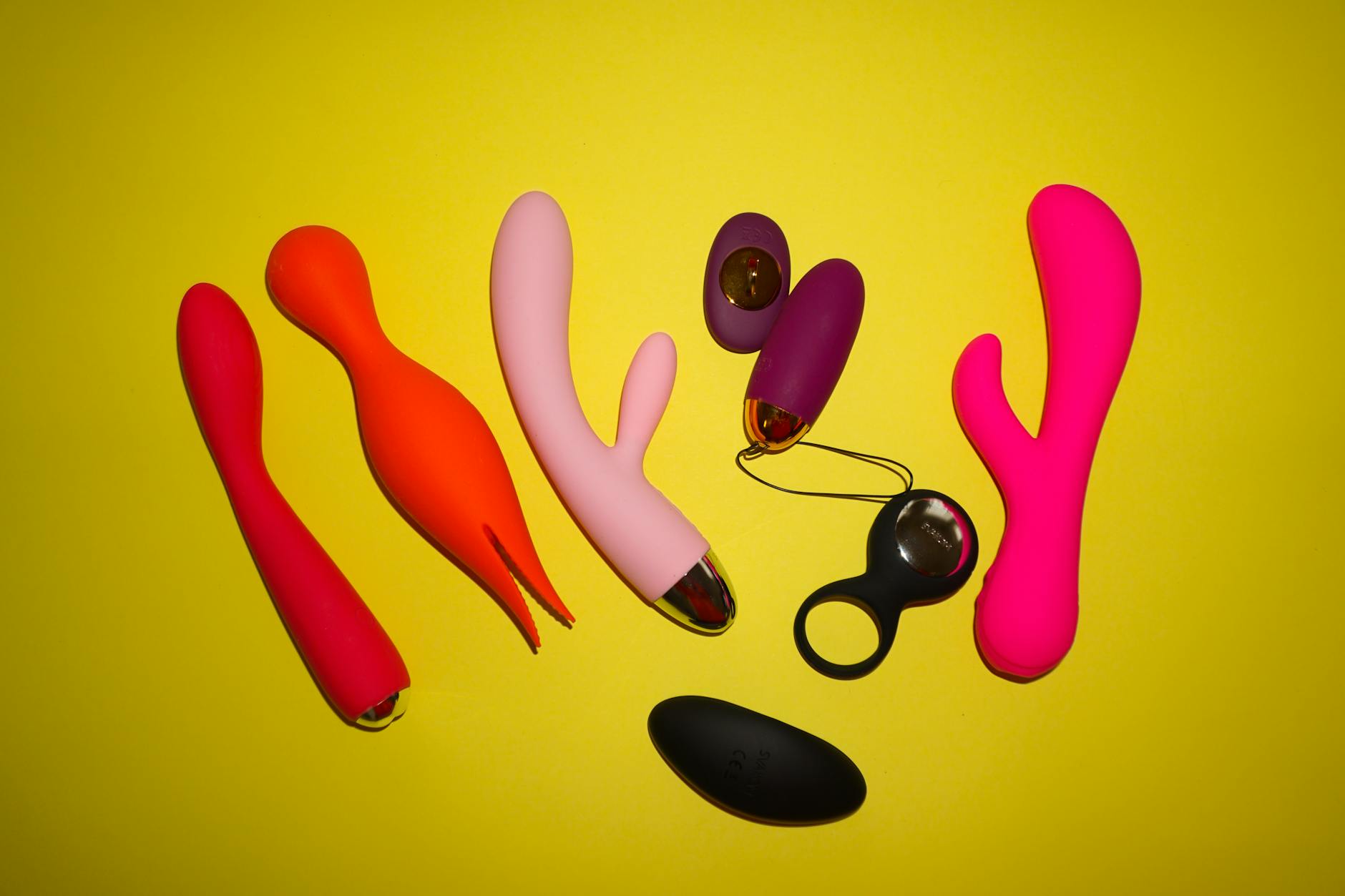
Let's be real about what just happened
You've spent decades focused on someone else's pleasure, someone else's timing, someone else's needs. Now you're alone, and your own body feels like a room you haven't visited in years. That's not unusual. It's actually the most common thing I hear from people rebuilding their intimate lives after long-term partnership ends.
The good news: your body hasn't forgotten how to feel good. You've just forgotten how to listen to it.
Why solo pleasure after marriage feels so awkward
It's not just the logistics (privacy, time, permission). It's that your arousal has been trained into a partnered rhythm. Someone else was the trigger. Someone else set the pace. Someone else decided when it was over. For 10, 20, maybe 30 years, pleasure wasn't something you orchestrated. It was something that happened to you within a specific relationship script.
Now you're writing the script alone, and that's genuinely disorienting.
There's also usually guilt mixed in. Not always, but often. Years of cultural messages telling you solo sex is less valid, less mature, less important than partnered sex. All of that gets louder when there's no partner around to validate it.
Here's what I tell my clients: solo pleasure isn't a warm-up act for partnership. It's the foundation. Everything else builds on it.
Why lemon vibrators specifically help with this transition
Lemon clitoral vibrators like the Lem use air-suction technology instead of traditional vibration. That matters for someone rebuilding because suction feels completely different from anything a partner's hand or body can provide. It's not mimicking partnered sex. It's its own thing.
That distinction is valuable when you're trying to break the pattern of partnered arousal. You're not waiting for someone to touch you. You're not replicating a familiar rhythm. You're discovering something novel. And novelty is exactly what helps you step out of the old groove and into a new one.
The lemon adult toy is also designed for precision. You control the exact pressure, pattern, and intensity. After years of negotiating pleasure ("a bit softer," "that angle doesn't work," "can we speed up"), that directness is surprisingly powerful. You get to say yes without explaining.
The first time back: what to actually expect
Most people expect arousal to feel the same as it did in partnership. It won't. It might feel slower at first. It might feel more mental than physical, or weirdly detached, or almost clinical in the beginning.
That's fine. That's actually normal.
Your nervous system needs time to reorient. For decades, arousal meant "someone is here with me." Now it means you're alone, and that safety signal has to come from somewhere new. Usually from permission, privacy, and time.
Start without the toy. Just notice what your body does when you're alone and have space. Does it respond to fantasy? Sensation? Memories? Imagery? Everyone is different, and after partnership, you might discover your body wants something different than it did before.
Then bring the lemon vibrator in as a tool, not a miracle. Use it on the lower settings first. The Lem starts gentle, which helps. You're not trying to hit peak sensation on day one. You're reacquainting yourself with your own pleasure.
Building comfort with your own touch
Before using any toy, spend time touching yourself without one. This feels counterintuitive ("why not just use the vibrator?"), but your hands carry information that toys don't. Warmth. Rhythm flexibility. Feedback. Your hands can feel what feels good and adjust in real time.
Start with a shower or bath. Warm water relaxes the nervous system and makes touch feel less formal. You're not "having solo sex." You're just washing and noticing. What areas feel good? Where do you instinctively want pressure? What speed feels natural when you're not thinking about it?
Most long-married people haven't touched their own genitals in years except functionally (cleaning, medical). That's the first thing to rebuild. Just touch. No goal. No pressure to feel something.
Once that feels less weird, add the lemon vibrator. Start with it off in your hand. Get used to the weight, the shape, the temperature. Power it on at the lowest setting. Notice what that feels like. There's no rush here.
The mental piece (which matters more than the physical)
I work with a lot of people rebuilding intimacy after partnership ends, and the biggest obstacle is almost never physical. It's permission.
You have to actually believe you deserve this time. You have to accept that solo pleasure is not selfish. You have to release the idea that your sexuality only matters in relation to someone else.
For many people, that's the hardest part.
If you find yourself feeling guilty or rushed or like you're doing something wrong, pause. Sit with that feeling. Where did it come from? Who told you your pleasure wasn't worth prioritizing? Usually it traces back further than the marriage.
That's not something a lemon clitoral vibrator can fix. But therapy or journaling can. Give yourself permission explicitly. Say it out loud if you need to. "My pleasure matters. I deserve this. I'm allowed to feel good."
Then use the toy.
Practical setup (the unsexy but important stuff)
Privacy. Time. No distractions. Those three things matter more than technique.
Privacy might mean locking your bedroom door, using headphones to muffle sound, or just knowing your household is asleep or gone. That sense of being unobserved is essential for arousal after partnership. Your nervous system needs to believe you're genuinely alone.
Time means at least 20-30 minutes of uninterrupted space. Solo arousal takes longer than partnered sex in most cases. Budget for it. Don't try this while your kids are home from school or in 10 minutes before work.
No distractions means phone away, browser closed, obligations out of sight. Arousal requires attention. Even if you use fantasy, your body needs you focused on sensation.
Keep the lemon vibrator and a water-based lubricant nearby. Lube is not optional solo or partnered. It helps, and it signals to your body that you're taking this seriously. You're not rushing through it.
What "success" actually means here
Here's where I break from a lot of other advice: solo pleasure after a long partnership isn't about achieving orgasm. That's a goal. Orgasm is great. But if orgasm becomes the metric, you're still in a performance mindset, and you're just performing for yourself now instead of a partner.
Success is rebuilding the baseline: the ability to tune into your own body, to notice what feels good, to ask for what you want (from yourself), and to enjoy sensation without an external purpose.
Some days that leads to orgasm. Some days it's just touching yourself and feeling present in your own skin. Both are wins.
After a long partnership, that presence alone is radical.
When to reach out for support
If solo touch triggers shame or dissociation, talk to a therapist. That's not failure. That's useful information about what you might still be processing from the relationship or from older patterns.
If your arousal feels completely absent even in moments you have privacy and time, it might be medication, hormones, depression, or lingering grief from the partnership. All of that is treatable.
If you're ready to explore partnered sex again and you want to feel confident in knowing your own body first, that's exactly the right instinct. Use this solo time. Learn what works. Then you'll bring that knowledge into new partnership from a place of knowing, not discovering.
FAQ
How long does it usually take to feel comfortable with solo pleasure again?
It varies widely. Some people feel a shift within a few sessions. Others take months. There's no timeline. The point is consistency, not speed. If you show up once a week for 20 minutes, you'll feel the change. If you do it once every three months, you won't. Biology needs repetition to rewire.
Is using a lemon vibrator weird if I haven't masturbated in decades?
Not at all. In fact, starting with a tool instead of your hands can feel less loaded. It's not you touching yourself. It's a device. That emotional distance helps some people step into this transition more easily. Once you're comfortable, you can explore both.
What if I feel guilty every time I try?
That guilt is carrying a message. Usually something like "this is for me only" or "I should be focused on finding a partner." Write down what guilt says. Then ask yourself if you actually believe it. Most people don't, once they examine it. A therapist can help speed that process.
Can I use a lemon clitoral vibrator even if my sensitivity is really low right now?
Yes. Start on the lowest setting. Use lube. Spend more time on warm-up and build. Low sensation often comes from stress, medication, or emotional disconnection, not physical damage. The vibrator combined with attention to what helps you relax will usually shift things.
Is solo pleasure going to make partnered sex harder when I find someone new?
Absolutely not. The opposite. People who know their own body are better partners. You know what works. You can communicate clearly. You're not desperate for a partner to make you feel good. That confidence is attractive, and it makes partnership healthier.
What if I don't want a partner again? Is solo pleasure still important?
Yes. Whether you're single by choice or circumstance, your pleasure belongs to you. It's not a consolation prize while you wait for partnership. It's your sexuality, full stop. Solo pleasure is valid and important whether you ever partner again or not.
The bigger picture
After a long marriage, single life can feel like loss. And it is, partly. You lost a role, a routine, a person. But you also gained something: yourself. The person you were before partnership, plus all the learning you've done since.
Your sexuality is part of that self you're reclaiming. Lemon vibrators are just a tool. The real work is giving yourself permission to want, to feel, to explore. That's the foundation everything else builds on. Whether you stay single, find someone new, or change your mind next year, that knowledge of your own pleasure is yours to keep.