Let's be real. Surgery changes your body in ways nobody warns you about. Pain meds, anesthesia aftereffects, scar tissue sensitivity, and the simple fact of having been sliced open creates a nervous system that's basically on high alert. Pleasure gets crowded out, or worse, feels unsafe. Then someone suggests you might eventually want to have sex again, and it lands like a joke in bad taste.
Here's the thing though. Recovery doesn't mean giving up pleasure forever. It means learning to reintroduce it in doses your body can actually handle. That's where lemon vibrators come in, not as a return to normal, but as a tool for rebuilding sensation at your own pace.
I've worked with countless people navigating this exact territory. The ones who do best aren't the ones who white-knuckle through "getting back to normal." They're the ones who give themselves permission to go slow, tune in to what their body actually needs, and use tools designed for gentleness.
Your nervous system has been through trauma, even if the surgery was routine. Anesthesia disrupts neural signaling. Pain pathways get sensitized. If your surgery involved the pelvic region, abdominal wall, or anywhere near the clitoral network, the sensory map changes temporarily. Tissue swells. Nerves fire erratically. Sometimes they're numb. Sometimes they're so heightened that even light touch feels painful.
This is not weakness. This is not permanent. This is your body doing exactly what it's supposed to do. After surgery, especially in the first 6-8 weeks, your system is flooded with anti-inflammatory markers and cortisol. Your nervous system is in sympathetic dominance, meaning it's in protection mode. Pleasure requires parasympathetic activation, the opposite state entirely.
You can't force that shift. You have to create the conditions for it.
The most common mistake I see is starting too soon. Medical clearance to resume "sexual activity" doesn't mean your nervous system is ready for pleasure. Clearance usually means "you won't tear your stitches if you're very careful." That's a physical safety metric, not a pleasure readiness metric.
Most surgical recoveries need 6-12 weeks before sensation feels even close to baseline. For pelvic surgeries, 12 weeks is conservative but realistic. Before that, your body is in active healing mode.
But here's what matters: you can start exploring sensation solo around week 6 to 8, if you're pain-free at rest and your incision is fully closed. The key is external stimulation only, no penetration, no pressure on surgical sites, and absolutely nothing that mimics the motion or pressure of penetration.
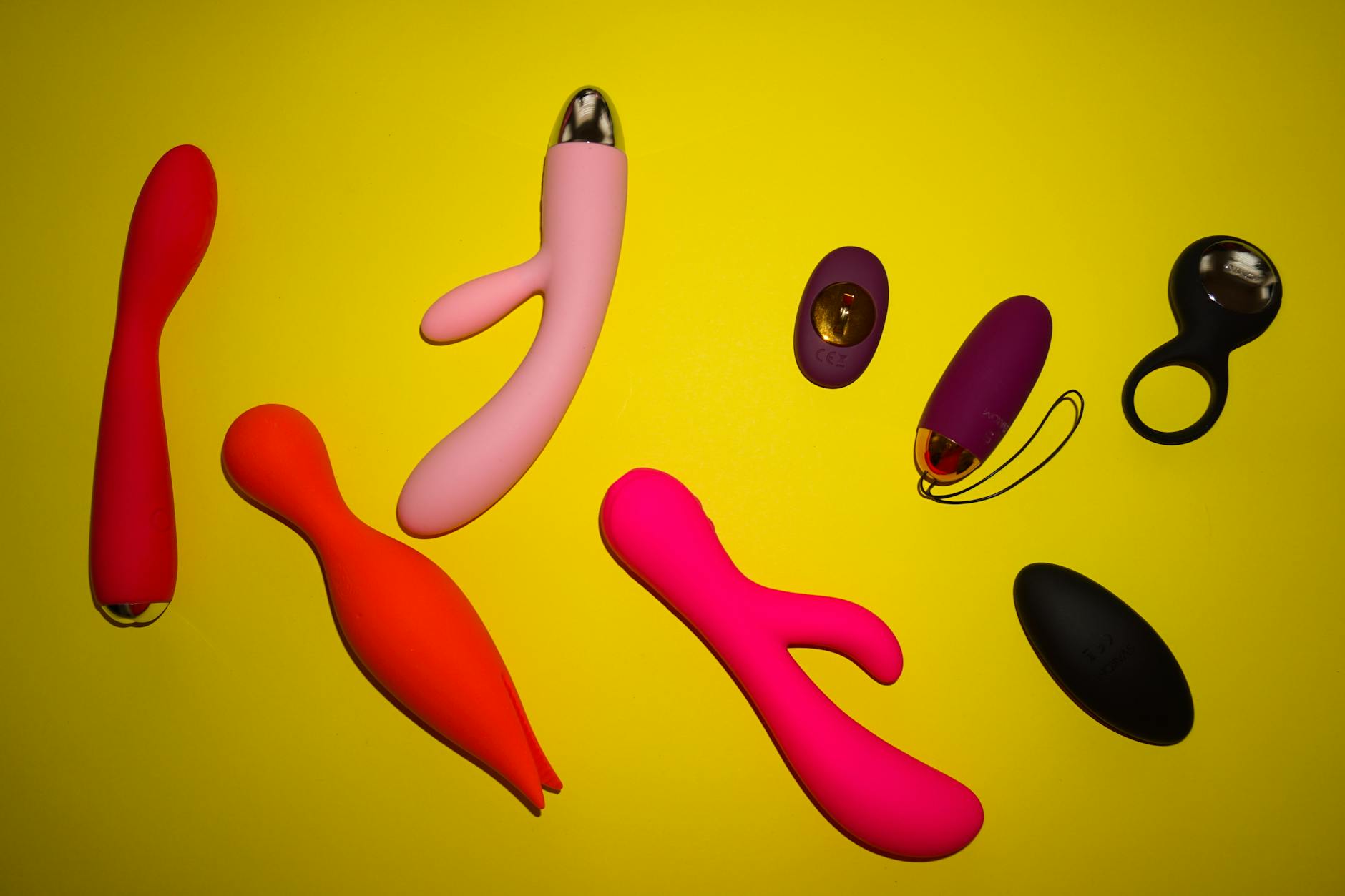
Lemon clitoral vibrators are perfect for this stage because they're external, they're subtle, and they deliver sensation without force.
Not all clitoral vibrators are created equal for post-surgery bodies. You don't want a wand. You don't want something with aggressive vibration patterns. You want something with soft, controlled stimulation that you can dial up or dial down in real time.
The reason lemon vibrators work so well here is the design. They're compact, which means you control the pressure completely. The vibration patterns start gentle and escalate gradually. You're never assaulted by sensation. You're introduced to it.
When you start, use the lowest setting. The goal isn't to achieve orgasm. The goal is to see if your nervous system recognizes pleasure as safe. Some people find that sensation is numb. Some find it painful. Some find a weird mix of both. All of these are normal.
Honestly though, structure matters more than the tool. Here's what a first session looks like:
Set up space first. Warm room. No rush. Partner in another room or completely out of the house if that feels safer. You need to feel genuinely alone, because your body won't switch out of protection mode if there's any unconscious pressure to perform or respond the way you used to.
Breathe before you touch. Spend 5-10 minutes just lying down, hand on your belly, breathing slowly. This shifts your nervous system from sympathetic to parasympathetic. You're literally telling your body that you're safe.
Touch yourself first, without the vibrator. Use your own hand on areas far from the surgery site. Your collarbone, your inner arm, your thigh. Feel what sensation is like, what normal baseline feels like after surgery.
Introduce the vibrator on the lowest setting to an area far from incisions. Not the clitoris yet. Maybe the outer labia, the perineum, anywhere with sensation but distant from surgical areas.
Notice what happens. Does it feel like pleasure? Like pain? Like nothing at all? Does your breathing change? Does your pelvis clench? These are all data points, not failures.
If it feels remotely positive, you can gradually move toward the clitoris over several sessions. Never in one session. Give your nervous system time to register that this stimulation is safe.
Weeks 8 through 14 are the transition zone. Your incision is healed. You're off pain meds or nearly off them. But sensation is still weird. You might find that clitoral stimulation gives you a sensation that's almost there, like you're watching someone else have pleasure instead of experiencing it yourself.
That distance is completely normal. Your brain is still in protection mode. Pleasure requires vulnerability, and your body is still afraid.
This is the phase where patience is everything. Keep sessions short. Keep expectations low. The goal is consistency, not results. If you use a lemon vibrator for 10 minutes twice a week, your nervous system will gradually start to recognize that this activity is safe, that it won't reopen wounds or trigger the original trauma.
After three to four weeks of regular gentle stimulation, most people start to feel a shift. The sensation becomes less distant. Orgasm might start to feel possible again. But even then, it might feel different. Shallower. Scattered. That's okay. Your nervous system is learning that pleasure is safe all over again.
If you have a partner, this is tricky. Your partner might also be grieving the loss of intimacy. They might be afraid of hurting you. They might feel rejected. None of this gets resolved by pushing yourself to have partnered sex before you're ready.
Instead, create a conversation separate from the bedroom. Tell them what you're doing. Tell them it's not about them. Tell them when you expect sensation to feel safer. Give them a timeline that's realistic, not optimistic. And use solo time with lemon vibrators as the bridge, so that when you do come back to partnered touch, your nervous system has already relearned that pleasure is safe.
Most couples I've worked with find that partners actually respect this boundary more than they expect. It signals that you're taking recovery seriously. It's not rejection. It's care.
Pain during or after stimulation is not part of recovery. Increased swelling, bleeding, or discharge that wasn't there before are reasons to stop and check with your surgeon. Panic attacks or intense flashbacks to the surgery mean your nervous system isn't ready yet, and that's not a personal failure. It means you need more time, or possibly professional support from a trauma-informed therapist.
Good healing happens in the space between pushing too hard and not trying at all. If you're not sure which side you're on, pause. There's no prize for rushing.
Pleasure after surgery isn't just about the vibrator. It's about rebuilding trust in your body. That happens in layers. A gentle session with a lemon vibrator is one layer. But so is moving your body without pain. So is showering without fear of water on your incision. So is sleeping through the night without nightmares.
Each of these things signals to your nervous system that the body is healing, that the trauma is resolving, that pleasure is becoming safe again. The vibrator just accelerates that process by proving it to your sensations directly.
Most people find that by week 16 or 20, sensation feels much closer to normal. Orgasm is possible again. Partnered touch feels good instead of scary. But healing is individual. Your timeline is your timeline. There's no rushing pleasure back into existence.
Medical clearance is the floor, not the ceiling. Most surgeons clear people for sexual activity around 4-6 weeks for non-pelvic surgery, and 6-8 weeks for pelvic procedures. But sensation and nervous system readiness take longer. I'd recommend waiting until you're at least 8 weeks post-op, pain-free at rest, and fully healed at the incision site. If you have any doubt, ask your surgeon specifically about external clitoral stimulation, not just "sexual activity."
No, if you're following the timeline and your incision is fully healed. Gentle external clitoral stimulation with something like a lemon vibrator creates no mechanical force on surgical sites. The risk of reopening is essentially zero once you're cleared for activity and tissue is sealed.
Numbness after surgery is common, especially if any incision was near the clitoral region or pelvic nerves. Full sensation can take 3-6 months to return, sometimes longer. Using a lemon vibrator on the lowest setting regularly can actually help retrain nerves. Gentle stimulation signals the nervous system that sensation is safe, and reinnervation gradually improves. If numbness persists past 6 months, mention it to your surgeon.
Yes, if that feels comfortable. But solo exploration first allows your nervous system to heal without performance pressure. Once you've rebuilt sensation alone, you can gradually reintroduce partnered stimulation. Some people find that having their partner watch (without touching) feels like a middle ground that lets them rebuild trust slowly.
Orgasm is the last thing to return after surgery, often weeks after sensation feels normal again. Your nervous system has to feel completely safe before it allows orgasm. Anorgasmia post-surgery is temporary, not permanent. Keep using the vibrator, keep breathing, and keep releasing the expectation that orgasm will happen on any particular timeline. When your nervous system decides it's safe, it will return.
Completely. After surgery, nerves fire chaotically. You can have neuropathic pain (burning, tingling) alongside true numbness in different areas. This mixed sensation usually resolves within 12 weeks as inflammation decreases and the nervous system calms. Using a gentle clitoral vibrator can actually help normalize this signaling over time.
No one tells you that healing sexually after surgery is just as important as healing physically. But it is. Pleasure signals safety. It means your nervous system is recalibrating. It means you're reclaiming your body as something that feels good again, not just something that hurt.
Lemon vibrators are designed for exactly this kind of patient, careful reintroduction. They're gentle. They're controllable. They give you agency. And they're a bridge between where you were before surgery and where you'll be when you're whole again.
Your timeline is yours. Your body knows what it needs. If you want support thinking through this transition, reach out and let's talk about what makes sense for your specific recovery.