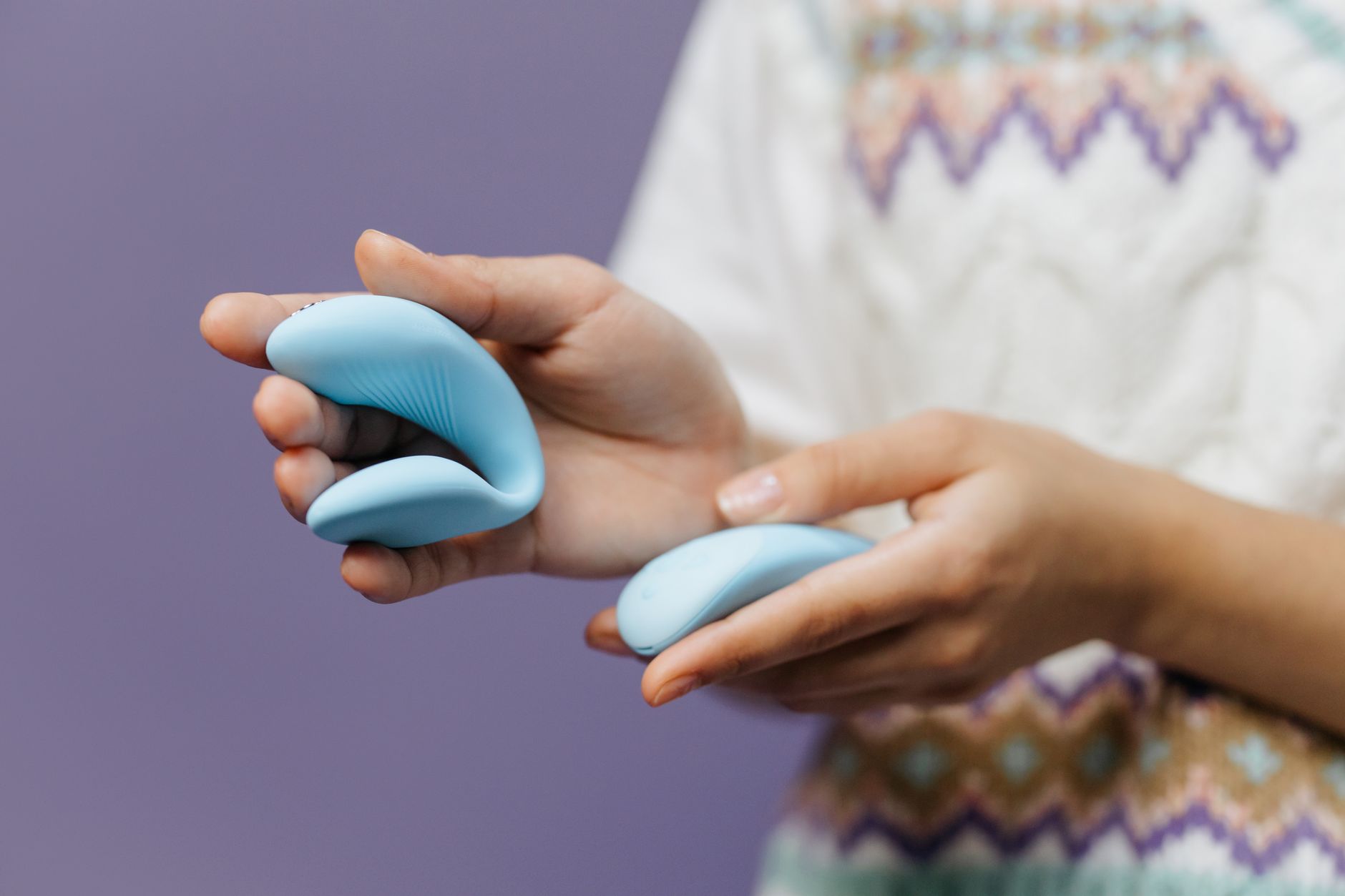
Here's what no one tells you about pelvic floor PT
Pelvic floor physical therapy saves lives. It fixes pain, restores function, and gives people their bodies back. And then you finish treatment and realize your nerve endings feel like they've been muted.
This isn't failure. It's actually part of how the healing works.
When a pelvic floor physical therapist is retraining your muscles, they're essentially asking your nervous system to recalibrate. That means desensitizing overactive reflexes, releasing chronically held tension, and teaching your body a new baseline. Sensation often gets quieter in the process. Sometimes it stays quiet for weeks or months after therapy ends. Sometimes it feels like someone turned down the volume on pleasure itself.
The good news? This is reversible. And lemon vibrators, specifically air-suction models like the Lem, are one of the smartest tools for bringing sensation back safely.
Why pelvic floor PT can flatten sensation
Your pelvic floor isn't just muscle. It's woven through with nerves that signal arousal, pleasure, and pain. When those muscles spend months in a holding pattern (which is what happens with pelvic floor dysfunction), the nerves adapt. They stop firing as sharply. It's a protective mechanism.
Then PT comes in and gently untangles that holding pattern. The muscles relax. The tension releases. But the nervous system doesn't immediately understand that pleasure is safe again. It takes time for your brain and body to sync back up.
Add in the fact that intensive PT can leave tissues slightly swollen or tender (even therapeutic swelling), and you've got a recipe for numbness that feels frustrating and real, even though it's actually progress.
The role of air-suction stimulation in sensation recovery
This is where lemon vibrators designed with air-suction technology matter. Unlike traditional vibrators that rely on direct friction, air-suction toys stimulate the clitoris through gentle suction and release. That pattern activates different nerve pathways.
Here's the practical benefit: when your pelvic floor is healing, direct, repetitive friction can feel too intense or even painful. Suction stimulation is gentler on tissues while still waking up nerves that have gone quiet. You're essentially saying to your nervous system, "Pleasure is here. It's safe. Pay attention."
A lemon clitoral vibrator with adjustable intensity settings lets you start at the absolute minimum and build from there. No guessing. No shame in choosing pattern one and staying there for weeks.
When to start using sensation toys after PT
Check with your therapist first. Most will tell you to wait until the active soreness phase is over, which typically means 3 to 7 days post-session. But "soreness is gone" doesn't mean "ready for intense sensation play." It means ready to gently explore.
Start 2 to 3 weeks after your last PT session if you've been in regular treatment. Your tissues need that buffer. Your nervous system needs that time to reset.
If you're in ongoing PT, coordinate with your therapist. Some practitioners actually recommend using vibration as part of your home practice between sessions. Others prefer you wait until treatment wraps. It's a conversation worth having.
How to rebuild sensation without retraumatizing your body
Five steps to get there safely:
1. Create actual space and time.
Don't use a lemon vibrator while your pelvic floor is still firing up from a therapy session. Wait at least a day. Set aside 20 to 30 minutes when you're not rushed, not stressed, and not thinking about whether your muscles are "doing it right." That hypervigilance defeats the whole point.
2. Start absurdly low.
If your Lem has eight intensity levels, begin at level one. Spend three to five sessions there. Your job isn't to reach climax. Your job is to send your nervous system the signal that sensation is happening and it's not an emergency. This retraining takes time.
3. Use it as a conversation starter with your body, not a performance tool.
This is crucial. After pelvic floor PT, a lot of people jump back into sex (with a partner or alone) with the old "get to the finish line" mindset. That's the fastest way to shut sensation back down. Instead, try 10 to 15 minutes of exploration with a lemon vibrator, no expectation of orgasm. Notice where you feel it. Notice where you don't. That data is gold.
4. Pair it with breath work.
During PT, you learned how to breathe into your pelvic floor. Use that skill here. Slow, deep breaths activate your parasympathetic nervous system, which is where pleasure lives. Tension and shallow breathing keep you in sympathetic (fight-or-flight) mode. Breathe. Feel. Breathe again.
5. Communicate the numbness, don't hide it.
If you have a partner, tell them what's happening. "My pelvic floor PT is making sensation feel quieter right now. I'm rebuilding. Here's how we can do this together." Partners often assume numbness means lack of desire. It doesn't. It means your nervous system is recalibrating. That's actually exciting information.
The timeline for sensation to return
Every body is different, but here's what I typically see in my practice: for 4 to 8 weeks after finishing pelvic floor PT, sensation feels muted. Around week 8 to 12, it starts creeping back. By month 4 to 6, most people report feeling almost back to normal, often with better clarity than they had before.
The key word is patient. You can't rush this. Trying to force intense sensation before your nervous system is ready just creates more tension, which starts the whole cycle over again.
If sensation hasn't budged after 6 months, loop your PT back in. Sometimes there's mild inflammation still present, or there's a secondary holding pattern that needs attention. It's not a failure on your part. It's just part of the healing puzzle.
Red flags that mean stepping back
Stop using any vibrator immediately if you feel sharp pain, increased soreness, or renewed tension in the pelvic floor during or after use. That's your body saying "not yet." Give it another two weeks and try again.
Also watch for numbness that feels completely disconnected from pleasure, even in your brain. That's different from the physical sensation dulling. That might indicate emotional guardedness or anxiety, which is worth exploring with a therapist, not a vibrator. Or it might just mean you need more time.
There's no rush. Pleasure isn't going anywhere.
Why lemon vibrators specifically help with this recovery
Lemon clitoral vibrators, particularly air-suction models, are gentler on healing tissue than wand vibrators or bullet vibrators. They don't require you to maintain direct contact in one spot, which reduces nerve fatigue. They're quieter, which means less sensory overwhelm for a nervous system that's already been through a lot. And their adjustable patterns let you match your body's actual capacity on any given day.
If you're starting this journey, the Lem is built exactly for this kind of nuanced, patient exploration. Start low. Stay there as long as you need. Let sensation return on its own timeline.
People also ask
How long after pelvic floor PT should I wait before using any vibrator?
Wait at least 2 to 3 weeks after your last session. Your tissues need time to settle, and your nervous system needs space to recalibrate without additional stimulation. If soreness persists beyond 3 days post-session, extend that timeline. Your therapist can give you more specific guidance based on what they treated.
Can using a vibrator mess up my pelvic floor PT progress?
Not if you're using it correctly. Starting low, being patient, and avoiding the urge to force sensation actually reinforces the relaxation your PT taught you. What can set you back is returning to intense sensation play too quickly, which can trigger old holding patterns. Go slow and gentle, and you're supporting your healing.
Why does my pelvic floor feel tighter when I try to use a vibrator after PT?
Your pelvic floor is probably protecting itself. This happens when you return to sensation too fast, or when you approach it with the "performance mindset" your body learned before therapy. Step back for another week or two. When you do use a vibrator again, focus entirely on breath and relaxation, not on reaching orgasm. Let your muscles trust that pleasure is safe.
Is numbness after pelvic floor PT permanent?
No. Numbness is a temporary side effect of nervous system recalibration. For most people, sensation returns within 4 to 6 months. If it hasn't after 6 months, check in with your therapist or your doctor. There might be mild inflammation still present, or there might be an emotional piece worth exploring.
Should I tell my pelvic floor therapist I'm using a vibrator during recovery?
Absolutely. Some therapists recommend it as part of home practice, others prefer you wait. Either way, they have valuable input on your specific situation. They might suggest particular patterns or intensities, or timing recommendations. You're partners in your healing.
Can I have partnered sex while my sensation is numb from PT?
Yes, if you want to. Being numb doesn't mean being broken or unavailable. It just means sensation will feel different. Talk openly with your partner about what's happening. Go slow. Use the same breath work and patience you'd use alone. Sometimes numbness actually gives you permission to slow down and reconnect in ways you never did before. That's not a loss. That's a recalibration.
The long view
Pelvic floor PT is an investment in your body's future. The numbness that comes after isn't a punishment. It's part of the rewiring process. Your nervous system is learning to trust pleasure again, and that takes time.
Using lemon vibrators thoughtfully during this recovery period isn't rushing. It's actively participating in your healing. You're sending your body the message that sensation matters, pleasure is safe, and you're worth the patience it takes to get there.
If you're in this phase right now, be gentle with yourself. Your body is doing exactly what it's supposed to do. The pleasure will come back. And when it does, it'll likely be deeper and more connected than it was before.
Questions about how to navigate this recovery period? Reach out. We're here to help.