The estrogen therapy plot twist
Estrogen therapy comes with a promise: relief from hot flashes, mood swings, energy crashes. What nobody mentions clearly enough is that it also remaps your entire pleasure map. You might feel more sensation in some areas and weirdly muted in others. Some people report heightened sensitivity. Others describe a soft numbness, like their body's been placed under a gentle blanket.
This isn't a failure. It's chemistry.
Why estrogen therapy changes sensation
Estrogen affects blood flow, nerve responsiveness, and tissue elasticity. When you introduce new estrogen (whether transdermal, oral, or localized), your body recalibrates how signals travel from your genitals to your brain. The threshold for arousal can shift. Orgasmic intensity can flatten or deepen. Clitoral sensitivity often becomes less reactive to direct pressure and more responsive to sustained, gentle stimulation.
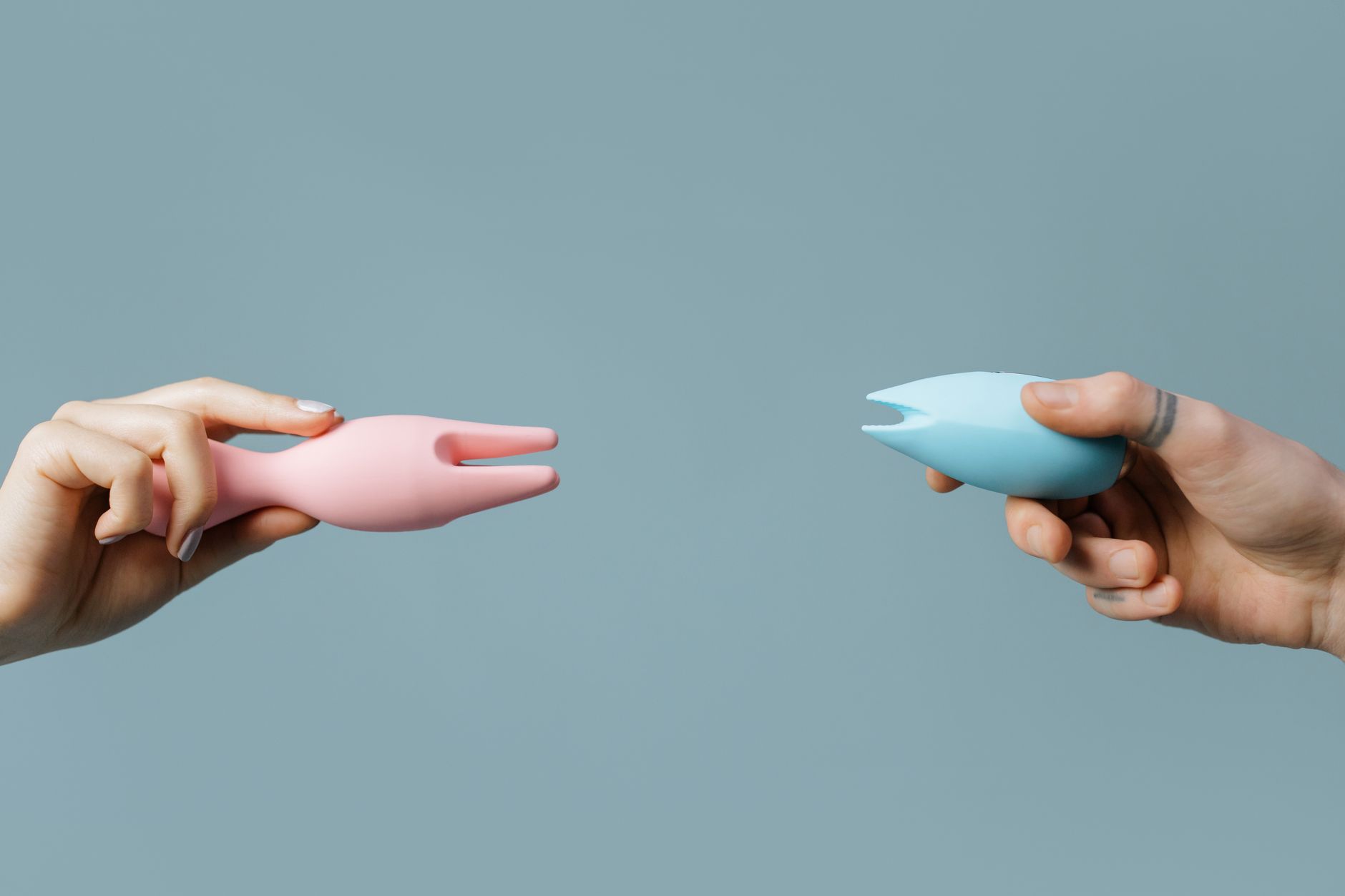
Here's what's actually happening: your nervous system is relearning its own language. That takes time, and it takes the right tools. A lemon vibrator, especially one designed for suction and pulsing rather than raw vibration, can be the bridge between your old sensation and your new one.
The numbness doesn't mean you've lost pleasure
Some people interpret muted sensation as permanent damage. It's almost never that. What's actually happening is your body is asking for a different kind of attention. Direct, forceful vibration might feel like nothing at all. But slower, longer pulses or sustained suction often wake things up beautifully.
I've worked with clients who felt completely numb after starting estrogen therapy, then regained full sensation within weeks by switching their approach. The sensation was there. It just needed a different language.
Three adjustments that actually work
Start with the lowest setting. If you've been using lemon vibrators at pattern 5 or 6, drop back to pattern 1 or 2. Let your nervous system recognize sensation at a lower threshold. You can always build up intensity. You can't un-overwhelm yourself mid-session.
Extend warm-up time. Estrogen therapy often slows arousal ramp-up. Budget 20 to 30 minutes of slow touching, kissing, or non-sexual stimulation before introducing your lemon vibrator. Your clitoris might take longer to fill with blood and become reactive. Patience here makes everything that follows easier.
Use sustained patterns over rapid flutters. The pulsing modes on a lemon clitoral vibrator often work better than continuous vibration when sensation feels numb. Pulses give your nerves time to "rest" between stimulations, which can actually increase overall sensation. Try modes 3 or 4 instead of the high-speed options.
How your lemon vibrator becomes your tuning fork
A clitoral vibrator like the Lem isn't just a tool. It's a feedback system. When you're relearning your body after estrogen therapy, using a lemon vibrator with precision helps you map where sensation lives now. You might find that the right side of your clitoris feels different from the left. That the upper shaft responds better than the glans. That angle and pressure matter way more than speed.
Pay attention to these discoveries. They're not weird quirks. They're your body telling you what it needs. Adjust your technique accordingly. If side-to-side motion feels better than direct pressure, position your lemon vibrator at an angle. If you need more surface area, try using it across the whole vulva instead of targeting the clitoris directly.
When numbness is a sign you need to talk to someone
If numbness has come with pain, loss of lubrication that doesn't improve with a water-based lubricant, or complete loss of arousal, check in with your prescriber. Sometimes estrogen therapy dosage needs adjusting. Sometimes switching delivery methods (pill to patch, for example) makes a world of difference. Sometimes a short course of topical testosterone cream rekindles sensation that oral estrogen alone doesn't restore.
This isn't a failure on your part. It's part of the medication optimization process.
The patience part nobody talks about
Estrogen therapy takes 4 to 12 weeks to fully settle into your system. Your body isn't broken during that window. It's adjusting. If you're expecting to feel exactly as you did before starting therapy, you might be disappointed. But if you're willing to explore what sensation feels like now, you often find something equally good, just different.
That exploration is a gift. Most people move through their sexual lives without ever really paying attention to what their body is telling them. Estrogen therapy forces you to notice. To slow down. To actually feel instead of performing familiar scripts.
Your lemon vibrator is a research tool. Use it that way.
FAQ: Sensation and estrogen therapy
Q: Can I damage my clitoris by using a vibrator while taking estrogen therapy?
No. Your clitoris is resilient. Numbness isn't damage. It's your nervous system recalibrating. Using a lemon vibrator, even regularly, won't harm the tissue. What matters is listening to your body and adjusting intensity if anything ever feels raw or sore.
Q: How long does it take for sensation to return after starting estrogen therapy?
There's a wide range, but most people notice shifts within 6 to 8 weeks. Some feel changes within days. Others take 3 months. If you're three months in and still feeling completely numb, that's worth discussing with your doctor. It might be a dosage issue.
Q: Should I use my lemon vibrator differently depending on what type of estrogen I'm taking?
Not necessarily, but your response to it might vary. Pills, patches, creams, and injections all deliver estrogen differently. How your body responds sensorially can depend on the route. If you feel numb on pills but bouncy on patches, mention that to your prescriber. They might suggest switching.
Q: Is it normal to feel hypersensitive in some areas and numb in others after starting estrogen therapy?
Completely normal. Estrogen therapy can create uneven sensation distribution. One side of your vulva might feel more reactive than the other. Your clitoris might feel responsive but your vaginal entrance numb. Over time, things usually even out. Your lemon vibrator can help you work with asymmetry while your body rebalances.
Q: Can I use lube with my lemon vibrator if I'm experiencing numbness after estrogen therapy?
Yes, absolutely. Water-based lubricant is your friend. Numbness sometimes comes with dryness, even on estrogen therapy. Lube makes everything easier and often makes sensation easier to detect. It's not cheating. It's smart.
Q: What if my partner finds my numbness frustrating?
That's a separate conversation from your sensations, and it matters. If your partner is frustrated that you're taking longer to orgasm or feeling less responsive, they need to understand that this is about your body recalibrating, not about their worth or attractiveness. You might benefit from checking in about mismatched desire while your body stabilizes.
The bigger picture
Estrogen therapy is a life-changing intervention for many people. Yes, it reshuffles pleasure. But it also brings mental clarity, stable mood, better sleep, and relief from symptoms that made sex feel impossible. The sensation shift is temporary friction in service of real health gains.
Your numbness isn't permanent. It's not punishment. It's just your nervous system asking you to pay attention and adjust. A lemon vibrator designed for precision and pulsing is exactly the right tool for that conversation. Use it with patience, curiosity, and the knowledge that your pleasure is still in there. It's just learning a new language.
If you're struggling to find your rhythm, or if numbness feels like it's coupled with other changes that worry you, reach out to our support team. We're here to help you navigate this.