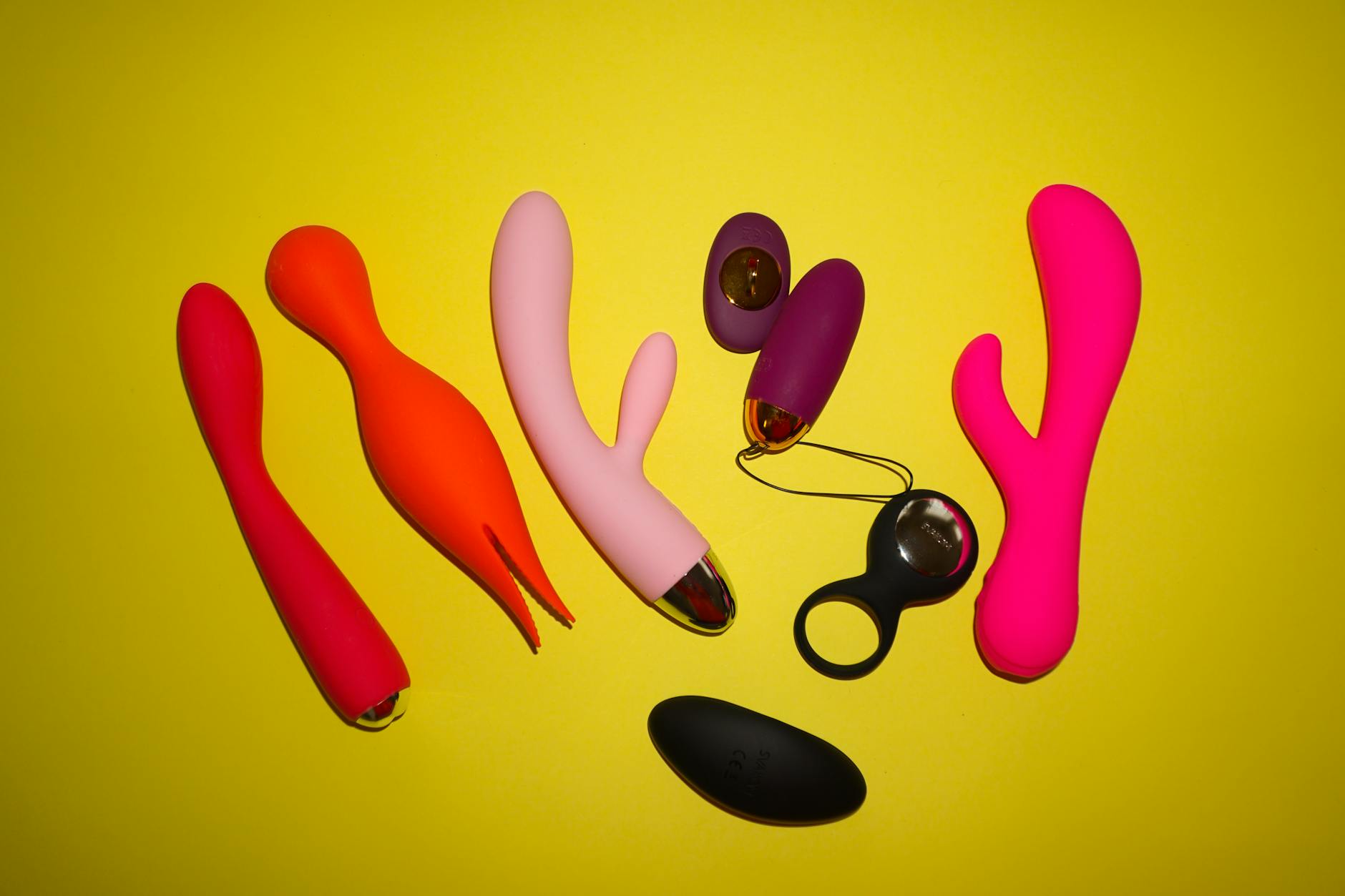
Let's talk about what nobody warns you about
You're with someone new. The chemistry was there at first. But somewhere between the third date and three months in, sensation started to feel muted. Your body isn't responding the way it usually does. Their touch feels nice enough, but not electric. And you're wondering if this is a sign, or if you're just in your head.
Here's the thing: muted sensation with a new partner is almost never about attraction or compatibility. It's about nervous system activation, attachment patterns, and how your brain handles novelty when safety hasn't yet arrived.
Why new partners feel different (neurologically)
When you're with someone new, your body is in a state of controlled vigilance. Not fear exactly. More like: scanning, assessing, deciding whether this person is safe enough for your nervous system to fully relax into pleasure.
Your amygdala is doing the work. Your prefrontal cortex is half-focused on connection and half-focused on risk. That divided attention means your sensory receptors aren't getting the full green light to fire. The touch is still there. The desire is still there. But the intensity of sensation gets quieter because your nervous system is managing multiple jobs at once.
This is different from a relationship rut or medication-related numbness. In those cases, sensation is dampened by fatigue, habituation, or biochemical change. With a new partner, sensation is being gatekept by your nervous system while it builds trust. Once trust arrives, everything typically floods back in.
The role of safety and attachment
I work with a lot of couples where one or both people have had previous relationships that ended badly. Infidelity. Emotional unavailability. Sudden ghosting. When you've lived through that, your nervous system learns to hold back even when you consciously want to be open.
Your body remembers. It protects you by keeping arousal slightly at arm's length. You can get to 70 percent, maybe 80. Getting to full release requires a kind of surrender that doesn't feel safe yet.
The solution isn't to white-knuckle your way through or to assume this person isn't the right fit. The solution is to give your nervous system the evidence it needs over time. Consistency. Keeping promises. Showing up the way they say they will. That's what gradually moves you from vigilance to genuine relaxation.
Lemon clitoral vibrators can help bridge that gap while the trust-building is happening.
How lemon vibrators work differently in early relationships
When sensation feels muted, what you need is bypass, not pressure. You need a tool that can help your body find pleasure without needing your nervous system to be completely at rest first.
Clitoral vibrators, especially something like the lemon adult toy design, work by stimulating the clitoral nerve endings in a way that doesn't require your emotional state to be perfect. The vibration bypasses some of that gatekeeping. It's not cheating the process of building trust. It's just giving yourself permission to feel good while the other work happens.
Here's how I recommend using lemon vibrators with a new partner:
1. Start solo to recalibrate. Before you involve your partner, spend time alone with your vibrator. Get reacquainted with what full sensation feels like. This does two things. It reminds your body that pleasure is available. And it gives you data about what your baseline is when you're not divided between arousal and assessment.
2. Use it during partnered sex without shame. Tell your partner: "I want to use this to help me feel more present." Most people, when given that honest framing, understand. You're not saying they're not enough. You're saying your nervous system needs a little help while it learns to trust.
3. Let sensation build gradually. Don't expect the vibrator to immediately make everything feel electric. What you're looking for is incremental. Each time, sensation gets slightly clearer. Trust deepens slightly. Over weeks, you start to feel more responsive to their touch too because your nervous system is getting evidence that this is safe.
4. Communicate about what you're noticing. Tell your partner: "When I use this, I can feel more. That helps me relax." This creates a feedback loop where they understand that muted sensation isn't about them. It also means they're not left guessing or taking it personally.
When to involve your partner actively
After a few solo sessions, you have options for how to integrate lemon sexual toys into partnered intimacy.
Some couples find that introducing a clitoral vibrator makes the dynamic feel more collaborative. Your partner holds it. You guide the pressure and rhythm. This creates a shared activity instead of a parallel one.
Others prefer to use it independently while their partner is present, so there's no confusion about what's happening. Both approaches work. What matters is that you're not silently stressed about whether your body is performing correctly.
If your partner seems uncomfortable or resistant, that's worth a separate conversation. Not about the vibrator itself, but about what the resistance is about. Is it ego? Insecurity? A different comfort level with toys? Those are relationship questions, not sex questions. And they matter. But they don't change the fact that you deserve to feel good while you're figuring out this new dynamic together.
The timeline reality check
I want to be clear about something: using lemon vibrators will help sensation feel less muted immediately. But it won't actually speed up the nervous system trust-building process. That takes time. Weeks, usually. Sometimes months.
What the vibrator does is remove the shame and frustration while the actual work happens. Instead of spending three months feeling broken or wondering if you've made a mistake, you spend three months using a tool that helps you feel good while you're building something real.
The reason this matters is because frustration about muted sensation often creates distance. You start to feel resentful that sex isn't as easy as it was with an ex. Your partner picks up on that energy. Suddenly there's an unspoken tension. The vibrator removes that layer. It says: "This is normal. We're handling it. Let's keep going."
Red flags vs. normal adjustment
I want to separate normal new-relationship sensation dampening from things that might actually indicate incompatibility or deeper issues.
Normal new-relationship dampening looks like: decent attraction, good conversation, your body responds about 60-70 percent, you feel hopeful but cautious.
This is when vibrators are genuinely helpful. You're building something. Your nervous system just needs time and evidence.
Red flags look different: zero physical chemistry, fundamental value mismatches, their behavior makes you feel unsafe or anxious (not the normal nervous excitement of newness, but actual anxiety), they dismiss your needs.
If you're in red flag territory, no vibrator is going to help. That's a different conversation. That's about whether this person is actually right for you.
But if you like this person, if the foundation feels solid, if it's just that sensation feels quieter than you're used to? That's what lemon clitoral vibrators are genuinely useful for. They give you a way to stay connected to your own pleasure while the relationship deepens.
One more thing about pressure and patience
Don't put pressure on yourself to feel "normal" sensation on someone else's timeline. You don't owe your new partner full emotional and physical availability on day one or month one. Good partners understand this. They get that trust takes time.
Similarly, don't let yourself feel like using a vibrator means something's wrong with you or the relationship. It means you have self-awareness and you're taking responsibility for your own pleasure instead of waiting for someone else to fix it. That's actually a sign of emotional maturity, not a sign of failure.
Lemon Sucker vibrators exist partly because sensation is complicated. Because sometimes what we need isn't pressure or judgment, it's a tool that helps us feel what we're actually capable of feeling while we're building something that takes time to become real.
FAQ: New Partners and Sensation
Is it normal to feel less sensation with someone new compared to an ex?
Completely normal. Your nervous system had years to build safety with your ex. With someone new, you're in the data-collection phase. Your body is protective while it decides if this person is trustworthy. This doesn't mean anything about your attraction or the relationship's potential. It's just biology managing risk.
How long does it usually take for sensation to feel normal again with a new partner?
Typically 3-6 months, sometimes longer if you have a history of relationship trauma. There's no exact timeline. What matters is that you're seeing incremental improvement. If sensation is still completely flat after six months and nothing else is wrong, that might be worth exploring with a therapist.
Should I tell my new partner I'm using a vibrator?
I recommend it, yes. Not as a confession or apology. Just as information: "I'm using a vibrator to help me feel more present during sex." Most secure partners appreciate the honesty. It removes mystery and potential resentment. If your partner reacts negatively, that's worth paying attention to as a sign of how they handle your autonomy more broadly.
Can using a vibrator with a new partner make sensation feel worse if I stop using it?
No. A vibrator isn't creating addiction or dependency. It's just helping your nervous system access pleasure while trust builds. As trust genuinely develops, you'll feel more responsive to your partner's touch too. The vibrator becomes optional, not necessary.
What if my new partner wants to use the vibrator on me but I'm uncomfortable?
That's valid. You don't have to let anyone use any tool on your body before you're ready. You can say: "I want to use it solo first" or "Let's take this slower." Good partners respect that boundary. If they push, that's information about whether they respect your autonomy.
How do I know if muted sensation is about my new partner vs. medication, stress, or something else?
Ask yourself: Do I feel sensation during solo time? Am I stressed or on new medication? Is my sleep and stress generally stable? If sensation is present when you're alone but muted with this specific person, it's likely the new-partner nervous system thing. If sensation is muted everywhere, that's a different conversation worth having with a doctor.