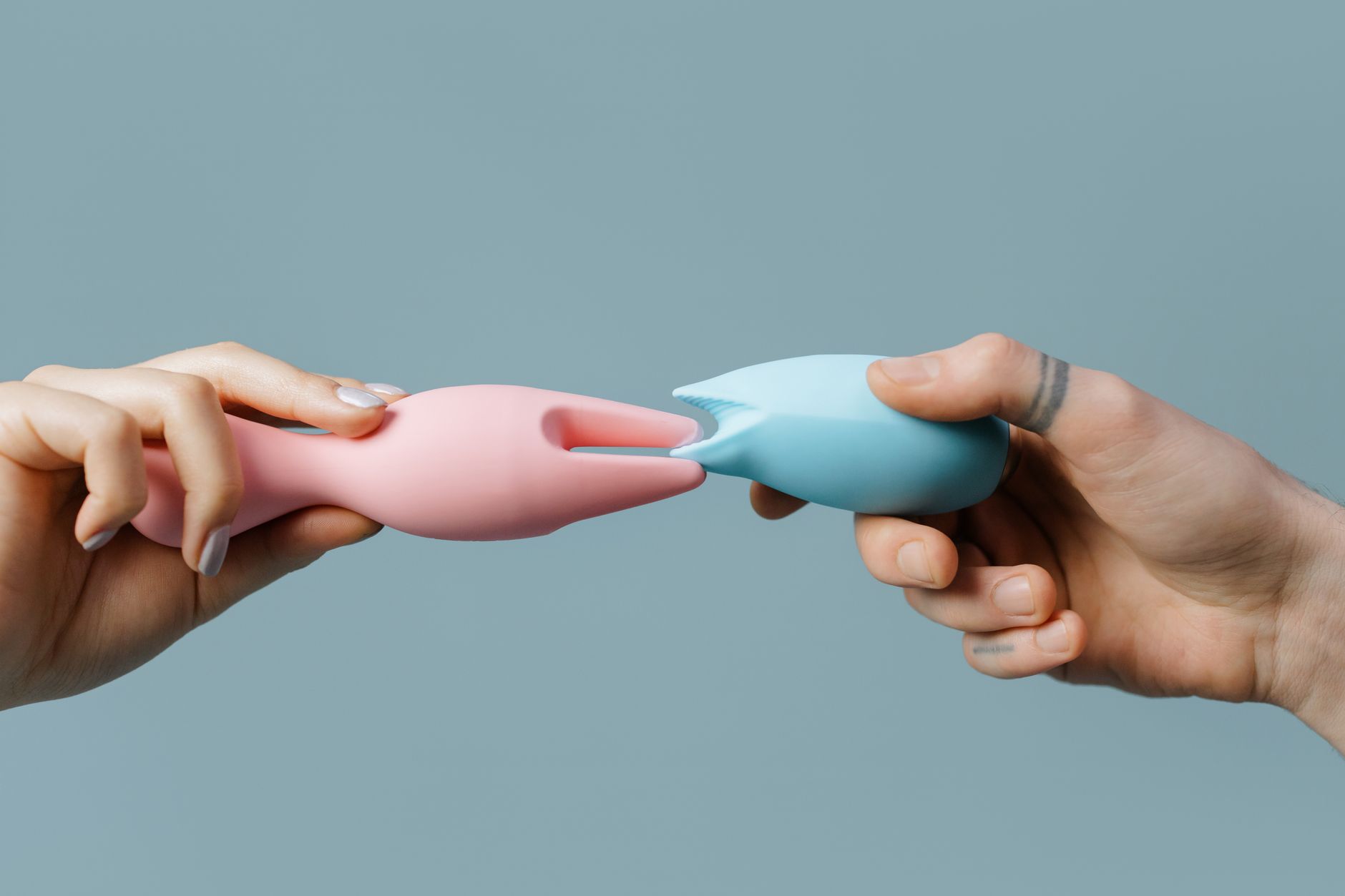
When medication changes, sensation shifts. That's not a broken body—it's normal physiology.
You started a new antidepressant, blood pressure med, or antihistamine. Or you adjusted the dose on something you've been taking for years. And then you noticed: pleasure isn't as loud anymore. Orgasms take longer, feel softer, or don't arrive at all. Your body is less responsive to touch that used to work reliably.
Here's what I want you to know first: this is one of the most common medication side effects that nobody talks about in the appointment room. Studies suggest 40-60% of people on SSRIs experience some shift in sexual sensation or arousal. It's not failure. It's not about your relationship or your desire. It's chemistry meeting neurology. And it's fixable.
What's actually happening in your nervous system
Many modern medications work by changing neurotransmitter levels in your brain. SSRIs (selective serotonin reuptake inhibitors) like sertraline or fluoxetine increase available serotonin by blocking its reabsorption. That's great for mood. But serotonin also dampens dopamine and norepinephrine—the neurochemicals that drive sexual excitement, blood flow, and genital sensation.
Other medications do it differently. Beta-blockers reduce adrenaline, which some people need for arousal. Antihistamines can dry out tissues. Antipsychotics and some blood pressure medications affect dopamine directly. The route is different, but the outcome is similar: your nervous system is getting a different chemical signal, and pleasure pathways are quieter.
This doesn't mean you've lost capacity for orgasm. Your clitoris still has all its nerve endings. Your brain still produces pleasure. The signal is just softer, and it needs stronger input to register.
Why lemon clitoral vibrators work when sensation feels muted
A lemon vibrator's strength isn't just that it vibrates. It's that it provides consistent, sustained stimulation at frequencies your body can actually register when dopamine is lower.
Think of it this way: if sensation is turned down to 40%, you need input that's bright enough to cut through at 40%. Manual touch—even partner touch—relies on variable pressure, speed, and rhythm. That variability can feel lovely when your nervous system is running at full volume. But when sensation is muted, that same variability can feel like nothing at all. You're waiting for peaks that don't come.
A lemon vibrator delivers steady, rhythmic stimulation. The suction mechanism on devices like the Lem engages nerves more directly than friction alone. It doesn't require your nervous system to interpret small changes—it creates one clear signal your body can feel even when everything's turned down.
Many clients find this almost immediately helpful. Not because the vibrator is magic, but because their body finally has enough sensory input to register arousal.
The timeline: what to expect in your first weeks
Most medications take 4-6 weeks to reach full effect on mood. Sexual side effects often follow a similar curve, which means there's a window where your body is still adjusting.
Weeks 1-2: Try exploring with your lemon vibrator without expectation. No goal of orgasm. Just 10-15 minutes of contact to see what you feel. Your body might surprise you. Some people adapt faster than you'd expect.
Weeks 2-4: If sensation is still muted, slow down. Longer warm-up time (20-30 minutes instead of 5). Start at lower intensity patterns and gradually increase. Your body's sensitivity may return as you practice and as the medication settles.
Weeks 4-8: By now, your nervous system has often started to rebalance. Pleasure may feel different than it did before, but it's usually returning. Stick with what's working. If nothing's shifted, this is the moment to talk to your doctor about dosage or alternatives.
Practical techniques that work with medication-muted sensation
Layer your input. Don't rely on the vibrator alone. Combine it with partner touch, temperature changes (ice on your thigh, warm breath on your neck), or sound (yes, really—music or voice). Your nervous system can integrate multiple signals even when one signal is quiet.
Build arousal differently. Medication often means you can't skip the warm-up. That's okay. Spend 15-20 minutes on kissing, talking, or fantasy before touching your genitals at all. You're priming your dopamine system before you ask for sensation.
Find your sweet spot intensity. Start on pattern 1 or 2 of the Lem. Many people assume they need maximum intensity when sensation feels muted. Actually, you often need to start lower and find the frequency your body is sensitive to right now, then build from there.
Make frequency your variable, not speed. The Lem's different patterns tap at different rhythms. When dopamine is lower, subtle rhythm changes sometimes register better than raw power. Experiment—some people find patterns 3-5 work better than 1-2, even though they're