Here's what nobody tells you about new medication
You start a new prescription. Your mood stabilizes, your blood pressure steadies, your anxiety eases. And then something shifts in your body that nobody mentioned in the side effects list. Sensation feels muted. Orgasms take longer to reach. Arousal doesn't fire up the way it used to. You're not broken, and it's not permanent. Your nervous system is just speaking a new language.
I work with couples navigating this transition all the time. The panic is always the same: "Am I losing my desire?" The answer is almost always no. What's changing is how your body receives stimulation, not whether it can still feel pleasure.
Why medication changes sensation (and why it's actually fixable)
Most medications that shift sensation do it in one of three ways. Some change blood flow to your genitals, which means arousal builds more slowly. Others affect how your central nervous system processes stimulation. And some disrupt the delicate hormone balance that fuels desire. None of this means you're broken.
Here's the part that matters: sensation isn't an on-off switch. It's more like a dimmer. Your threshold for feeling something hasn't changed. What's changed is the intensity required to register that something, and the speed at which your body responds.
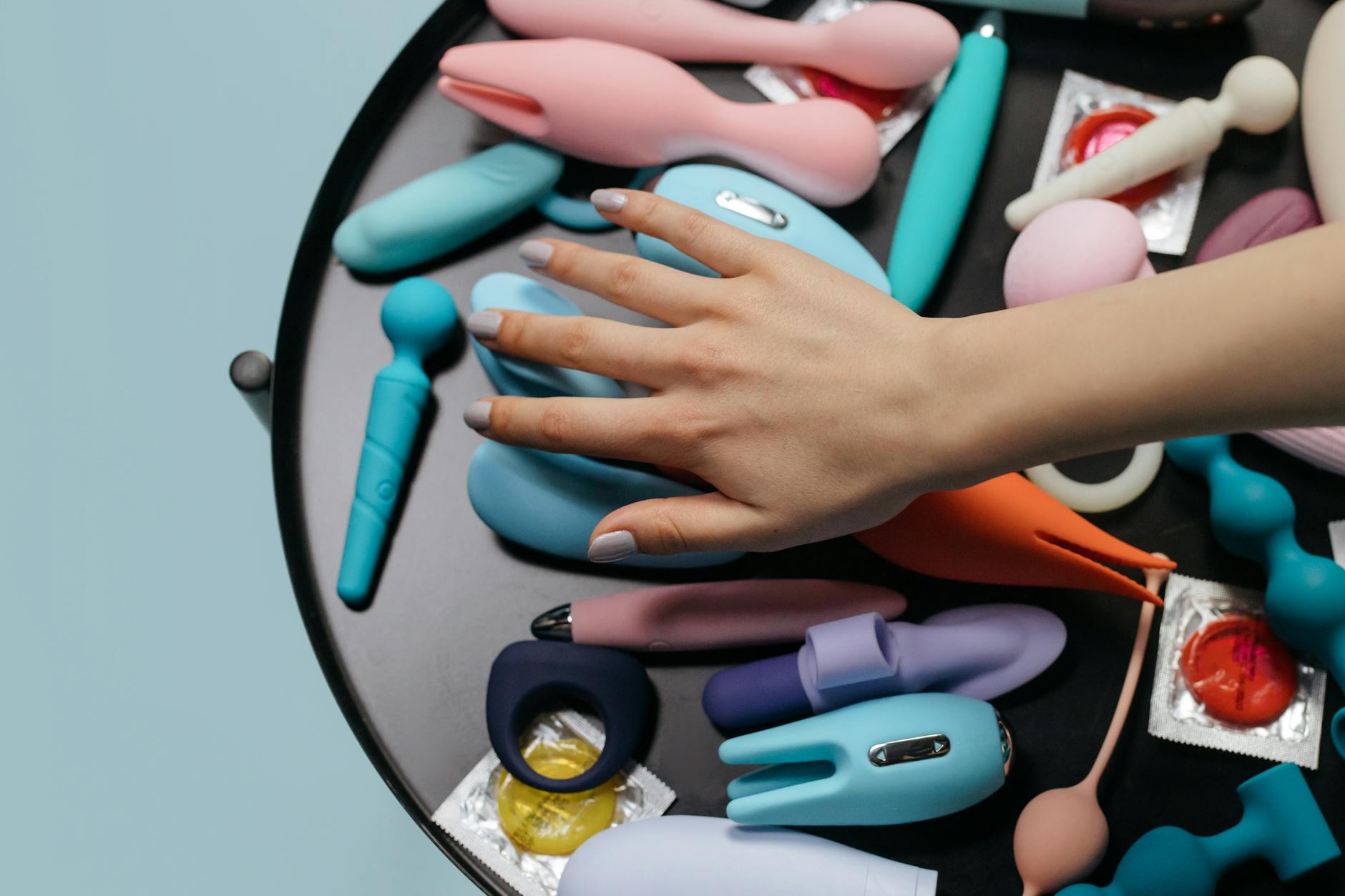
This is where a lemon clitoral vibrator becomes genuinely useful. Not as a workaround, but as a tool that matches your body's current operating system. The suction technology that lemon vibrators use doesn't rely on friction or direct pressure the way many vibrators do. It stimulates nerve endings through a totally different mechanism, which often bypasses the numbness that medication creates.
The adjustment timeline (and when to expect real progress)
If you've just started a new medication, give it 2-4 weeks before you worry about sensation changes. Some medications take time to stabilize in your system, and your body needs time to adjust. During this window, don't chase the way things used to feel. That's a recipe for frustration.
After month one, if sensation still feels flat, talk to your prescriber. This isn't whining. It's important clinical information. There are often alternatives that work just as well for your condition but don't numb you out the same way. Some doctors will adjust your timing (taking medication after sex instead of before), your dose, or suggest adding something that counteracts the sexual side effect.
The tricky part is that sexual side effects often aren't listed on the standard sheet you get from the pharmacy. Your doctor won't know unless you tell them. Use clear language: "I'm noticing my orgasms are harder to reach and arousal feels slower." Not "sex is bad now." Clinical words get you options.
How to restart sensation with a lemon vibrator
Three principles make this work.
First: lower your starting intensity. If you're used to a vibrator on setting five or six, start on one or two. This isn't because you're weaker. It's because your body's threshold has shifted. A gentle stimulus that you can actually feel is more useful than a intense one you're chasing but can't quite register.
Second: extend your exploration time. When sensation is muted, rushing defeats the purpose. Give yourself 20-30 minutes to warm up, explore, and let your nervous system catch up. This isn't forever. It's a transition habit while you're adjusting.
Third: treat sensation like a variable, not a failure. Some days will feel closer to normal than others. Medication response isn't linear. Your body might wake up sensitive on day three of your cycle, flat on day ten, responsive after a good night's sleep, and struggling after stress. Watch those patterns instead of assuming permanent change.
What changes in partnered sex (and what actually doesn't)
If you have a partner, the medication shift affects more than just physical sensation. It often changes timing and spontaneity. Spontaneous arousal might disappear. Foreplay needs to last longer. Orgasm might require more focus.
The temptation for partners is to blame themselves. "I'm not turning them on anymore." Wrong story. What's actually happening is that your partner's nervous system is processing stimulation differently now. It's a body change, not an attraction change.
Here's what I tell couples: use lemon sexual toys together, not instead of each other. Your partner can learn to recognize the new rhythm your body needs. You can show them how sensation feels different by using a lemon vibrator while they watch, so they understand what you're experiencing. This turns a potential distance into shared problem-solving.

Photo by Madison Inouye on Pexels
The bridge back to your baseline (it usually exists)
One more thing worth knowing. For most people, sensation does return closer to baseline once your body fully adjusts to the medication. This takes anywhere from six weeks to three months. Some people find their new normal is slightly different from their old one, and that's actually fine. Different doesn't mean worse.
During this adjustment window, using a lemon clitoral vibrator isn't settling. It's smart adaptation. It's you meeting your body where it actually is instead of where you think it should be. That's not compromise. That's wisdom.
If after three months your sensation still feels significantly numbed, bring it back to your doctor. There are augmentation strategies, dose timing tweaks, and alternative medications worth exploring. You don't have to choose between mental health and sexual pleasure. Those don't have to be in competition.
People also ask
How long does it take for medication to stop affecting sensation?
Most people start noticing improvement between 6-12 weeks as their body acclimates to the medication. Some experience changes faster, others slower. If you hit the three-month mark and nothing has shifted, contact your prescriber. They might adjust your dose, change your timing, or switch your medication entirely. Sexual function is a legitimate health concern, not a vanity issue.
Can I use lemon vibrators safely while on medication?
Absolutely. Lemon sexual toys are safe with any medication. What changes is your sensation threshold, not the safety of the device. Start on lower intensity settings and work your way up as you explore. If you're on blood thinners or have a clotting disorder, always check with your doctor before using any vibrator. For most medications, there's zero contraindication.
Does using a lemon vibrator help restore sensation faster?
Consistent use can help you re-learn your body's current signals and potentially jumpstart nerve sensitivity. Think of it like physical therapy for sensation. The vibrator isn't healing anything, but regular, gentle stimulation can help your nervous system remember how to respond. That said, it's not a magic fix. Time and medication adjustment do most of the work.
Why do some medications cause numbness but others don't?
Different drug classes affect your nervous system in different ways. SSRIs often delay orgasm by affecting serotonin in the brain. Beta-blockers can reduce blood flow to genital tissue. Some blood pressure meds affect nerve signaling. Your prescriber should know which mechanism applies to your specific medication and might have alternatives that work similarly but don't numb sensation the same way.
If I stop taking the medication, will sensation come back immediately?
Usually within a few days to a week, yes. But stopping medication to restore sexual sensation is rarely the right move. If your medication is working for your condition, the answer isn't to stop it. The answer is to find a medication that works for your condition without muting you as much. Those options exist. Your doctor just needs to know this is a priority for you.
Can I combine lemon vibrators with other tools to restore sensation?
Yes. Many people find that combining a lemon clitoral vibrator with longer warm-up time, focused breathing, or partner engagement restores sensation faster than any single tool alone. Some people also find that external stimulation with a vibrator combined with internal exploration helps them re-establish connection. There's no one-size formula. Experiment, track what feels good, and do more of that.
The actual path forward
New medication doesn't mean the end of your sex life. It means your sex life is entering a recalibration phase. Your body is learning a new language of sensation, and your lemon vibrator is a useful translator during that process.
Talk to your prescriber about what you're experiencing. Try lower intensities and longer exploration windows. Give your nervous system time to adjust. And remember that this phase is temporary. Most people find their way back to responsive, pleasurable sensation once their body settles into the medication.
Your pleasure matters. That's not negotiable. If your current medication is making that difficult, there's almost always a solution that doesn't require you to choose between mental health and sexual wellbeing.
Ready to explore what works for your body right now? Start with a lemon vibrator on a low setting and give yourself permission to discover a new rhythm. You might be surprised what you find.
Explore how other people navigate sensation shifts with lemon adult toys. And if you're working through this with a partner, this guide on mismatched desire might help you both understand what's actually happening.