When desire comes back, it's not the same as before
Depression doesn't just lower your libido. It rewires how pleasure registers in your body. Antidepressants help. Recovery happens. And then one day you notice something: your body is waking up again. Maybe it's a random moment of warmth. Maybe it's your partner's touch landing differently. Maybe it's just a thought that doesn't immediately feel hollow. And suddenly you're wondering if you can actually feel pleasure again, or if that part of you is gone for good.
Here's what I know from working with hundreds of people navigating this: desire returns. But it often returns as a completely different version of itself.
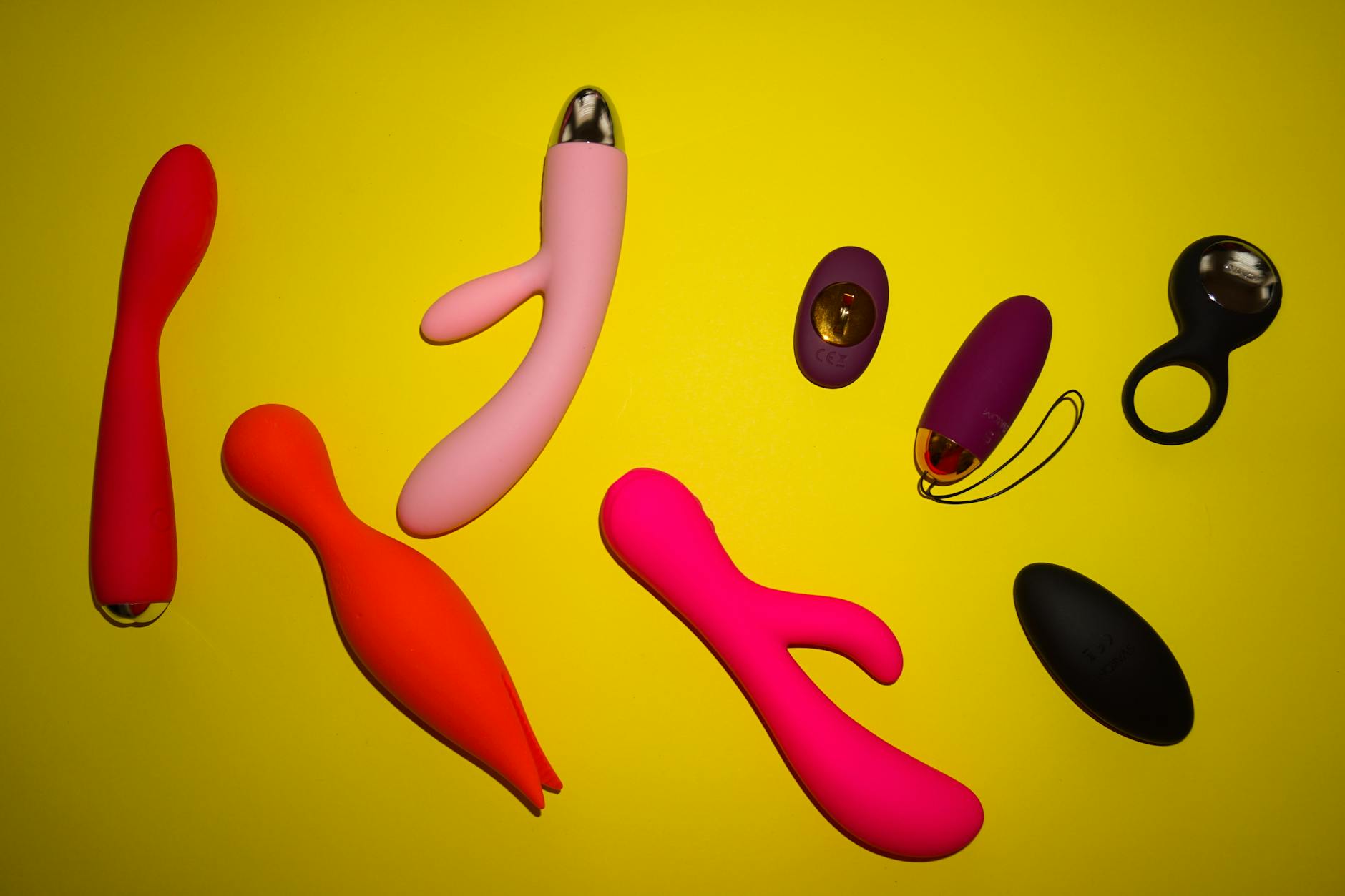
The good news is that lemon vibrators, especially air-suction devices like the Lem clitoral vibrator, often feel more accessible during this reconnection phase than during depression. I'll explain why, and how to approach pleasure from where you actually are.
What depression does to arousal
Depression flattens the dopamine and serotonin systems. It's not laziness or lack of love or a sign you're broken. It's biochemistry. Your brain literally produces less of the chemicals that create desire, arousal, and pleasure. Even if you want to want sex, your nervous system isn't cooperating.
Most SSRIs (the most commonly prescribed antidepressants) also dampen sexual response. This is a known trade-off: the medication that helps you feel stable often numbs sensation. Some people adjust after a few months. Others don't. And that's okay to name directly. It's a real side effect, not a personal failing.
Then recovery happens. The depression lifts. You come off the medication, or you've adjusted to it, or your body chemistry has recalibrated. And slowly, almost tentatively, your nervous system wakes up.
What changes in your body when libido returns
Three physical shifts happen when you're coming out of depression:
1. Arousal takes time to rebuild. Your body is remembering how to respond. This isn't the snappy arousal you might have had before. Budget 20-30 minutes to warm up. This is not a problem. It's actually often better for people who've experienced depression because it gives your nervous system time to feel safe.
2. Sensation might feel numb at first. Antidepressants and depression both dull sensation. When you restart, nerve endings are literally rediscovering responsiveness. Direct vibration can feel too much at first. That's why air-suction devices like lemon clitoral vibrators are so good here. They stimulate without feeling invasive.
3. Pleasure can feel weird or guilt-tinged. This is the emotional part wearing a physical disguise. Your brain might be hypervigilant for "proof" that you're okay. Pleasure used to mean you were fine. If you feel pleasure and then the next day feel flat, that can trigger anxiety. Name this if it happens. It's depression talking, not your actual situation.
Why lemon vibrators work particularly well right now
Lemon adult toys, especially suction-based clitoral vibrators, have three features that matter for post-depression reconnection.
The Lem vibrator uses air-suction technology instead of direct vibration. This means it stimulates without friction. For someone whose nervous system is still calibrating, that feels less jarring. It's like the difference between a tap on the shoulder and a gentle press. Both work. One feels safer when you're uncertain.
The sensation is concentrated and specific. Depression often comes with a weird diffuse numbness. You can feel touch, but it doesn't land anywhere. Suction-based clitoral vibrators create a very specific point of stimulation. Your brain has to show up. It can't tune out.
The intensity builds in a way you control. Most lemon sexual toys have multiple speed settings. You can start at pattern 1 and move to 3 without anyone making that choice but you. For people relearning their own pleasure, control matters. A lot.
The actual approach: how to start
First week back: exploration, not outcome. You're not trying to orgasm. You're checking in with whether sensation is returning. This reframes the whole thing. No pressure. Just information gathering.
Here's the actual sequence I recommend:
Solo first. Your partner isn't involved yet. You're spending time with your own body without an audience or expectation. This removes the pressure to perform or prove you're fine. Use a lemon clitoral vibrator on the lowest setting. Start with 5-10 minutes. Notice what you feel. Numbness is information. Tingling is information. Even discomfort is information. You're collecting data, not chasing an outcome.
Use water-based lubricant. Even though you're not dealing with the tissue thinning that comes with menopause, lubrication still helps. It reduces friction and lets your nervous system focus on pleasure rather than irritation. This is step zero.
Go slow with speed increases. If pattern 1 feels numb, try pattern 2 next time. Don't jump to the highest setting hoping for a breakthrough. Your body is recalibrating. Meet it where it is.
Track the rhythm, not the outcome. Some people notice that pleasure returns in waves over a few weeks. Numbness one day. Tingling the next. Then nothing. Then a real spark. This is completely normal. The nervous system isn't linear.
When to include a partner
This is a separate conversation from solo reconnection. You can absolutely do both at the same time, but don't conflate them. Here's what I mean.
Solo pleasure with a lemon clitoral vibrator is you and your body relearning each other. Partnered pleasure is a different negotiation. Your partner might feel relieved that you're feeling desire again. They might also feel a little left out if you've spent weeks reconnecting solo. Both are valid. Neither means something is wrong.
When you're ready to include a partner, the conversation isn't "I'm ready for sex now." It's "I'm rediscovering pleasure and I want you to know what that looks like for me right now." You might show them what feels good solo. You might use the Lem vibrator together. You might not jump to partnered sex for a while. All of these are fine.
The trust rebuild after depression is slower than people expect. And that's okay. Slow is what your nervous system needs.
What to watch for
Two things warrant checking in with a provider.
If numbness doesn't shift after 4-6 weeks of gentle reconnection, your antidepressant might need adjusting. This is a conversation to have. Some SSRIs dull sensation more than others. Switching to a different class (like bupropion) can help.
If pleasure feels tinged with shame or panic, that's worth exploring with a therapist. Depression sometimes leaves behind a belief that you don't deserve pleasure, or that pleasure means something is wrong. Those thoughts are real and they're worth talking through.
The emotional part nobody talks about
Honestly, the hardest part of rediscovering pleasure after depression isn't physical. It's the weird grief of realizing how much depression took from you. You might feel angry at lost time. You might feel grateful just to feel something. You might feel both at once, which doesn't make sense until you sit with it for a while.
Let all of that exist. You don't have to "be happy" about reconnection yet. You're just reconnecting. The good feelings come after you've spent time with your own pleasure without judgment.
Closing the loop
Your body is resilient. It's been through something hard, and it's coming back. The pleasure you feel now might look different from before. It might be quieter. It might surprise you. It might take longer to build. And it's still you coming home to yourself. That matters more than it being fast or easy.
When you're ready, your partner is ready, and your body is ready, that's when connection deepens again. But there's no rush. You've already done the hardest part. You're feeling desire again. Everything else builds from there.
If you want to talk through what reconnection looks like in your specific situation, whether that's solo or with a partner, we're here.
People also ask
Can antidepressants permanently affect your libido?
No. Sexual side effects from SSRIs usually resolve within a few months of starting the medication, or they resolve once you adjust your dose or switch medications. In the meantime, your brain is healing. That's the priority. Libido comes back. And when it does, it often feels more grounded because your nervous system is stable enough to feel it.
Is it normal to feel anxious when desire returns after depression?
Completely normal. Your brain learned that feeling good wasn't reliable. Depression taught it that pleasure gets taken away. When pleasure returns, your nervous system can get protective. That anxiety isn't a sign you're depressed again. It's your brain being cautious. Breathe through it. Use grounding techniques. The feeling passes.
Should I tell my partner I'm using a lemon vibrator during recovery?
That's up to you. Some people find it helpful to be transparent. Others prefer solo exploration first. There's no "right" version. If you do share, frame it as information gathering, not something they did wrong or something they need to fix. "I'm reconnecting with my body, and this helps" is enough.
How long does it usually take for libido to fully return?
It varies wildly. Some people feel a shift in 2-3 weeks. Others take months. There's no linear timeline. What matters is that you notice any shift at all, because it means your nervous system is waking up. The rest unfolds from there.
What if pleasure doesn't return, or returns very slowly?
Talk to your doctor or therapist. Slow return is normal. No return after 8-12 weeks might signal that your antidepressant needs adjusting, or that there's another layer to explore therapeutically. But slowness by itself isn't a problem. Your body knows its own timeline.
Can using a lemon clitoral vibrator help me know if my libido is actually coming back?
Absolutely. Solo exploration with a gentle tool like the Lem vibrator is actually a perfect diagnostic. If there's any response, any warmth, any shift in sensation, that's your answer. Your body is coming back online. Everything else is just practice.