Let's talk about what nobody warns you about
Postpartum arousal isn't broken. It's rewired. Most people expect their body to snap back to baseline after birth, like a rubber band released. What actually happens is more like your nervous system got run over by a truck and is now learning to walk again.
Here's the thing: arousal requires resources. Your brain needs oxygen, your nervous system needs to feel safe, and your body needs to not be in active survival mode. For the first 6 to 12 weeks after birth, you're running on fumes.
What actually changes after birth
Three big things shift your arousal landscape:
Hormonal nosedive. Estrogen and progesterone drop dramatically. These hormones are part of the arousal chain. When they vanish, your brain takes longer to trigger the cascade. You're not less capable of pleasure, you're just working with a shorter rope.
Nervous system is hypervigilant. Your body just went through something enormous. Your nervous system is scanning for threats, pumping cortisol, and basically not interested in parasympathetic rest and relaxation mode. That's where arousal lives. You can't get there if your system thinks there's a predator in the room. Even if that "predator" is just your partner reaching for you at midnight.
Touch threshold changes. A huge amount of the stimulation you needed before now feels like too much too soon. Nipples are sore from feeding. Your pelvic floor is either stitched or bruised or both. Even places that weren't directly involved in birth feel off limits because they're wired to the same nervous system that's currently in lockdown.
The timeline is different for everyone
Clear-the-checkup-at-six-weeks doesn't mean clear-to-feel-like-yourself. That's a permission structure, not a healing structure. Some people feel ready at eight weeks. Others need six months. Some need a year. And that's completely normal.
What matters is knowing that arousal will come back. It's not gone forever. You're not broken because your body doesn't want touch right now. You're recovering.
Why lemon clitoral vibrators help specifically
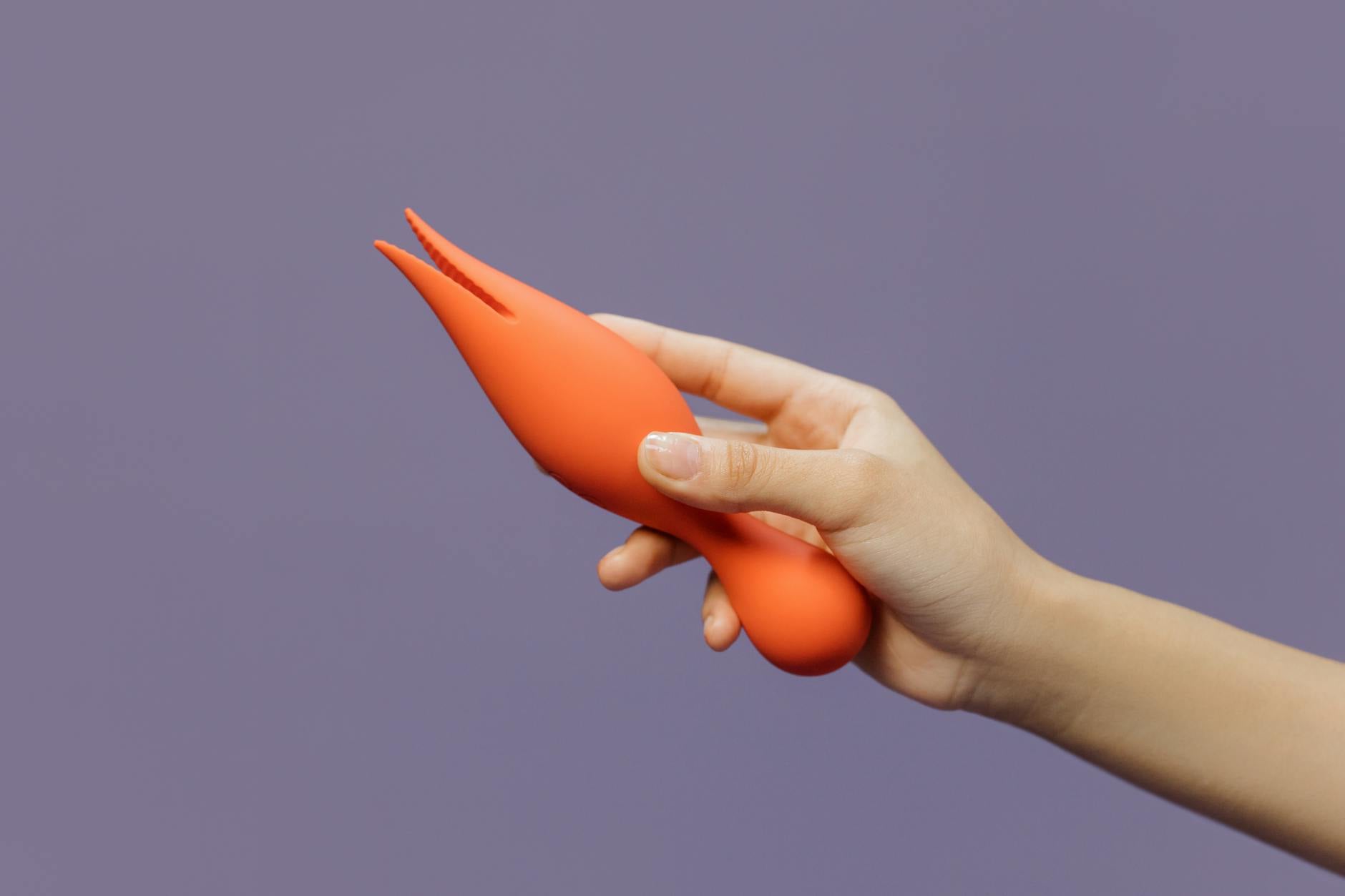
Here's where tools like the Lemon Sucker come in. A lemon clitoral vibrator works differently than a partner's hand because it:
Removes the pressure of responsiveness. You don't have to respond to another person's rhythm. The vibration is consistent, predictable, and doesn't care if you take 10 minutes to get there or 45. That predictability helps a hypervigilant nervous system relax slightly.
Provides focused, gentle stimulation. A lemon vibrator like the Lem offers air-suction technology that's less invasive than direct pressure. Postpartum sensitivity is real, and this kind of gentler stimulation often feels more manageable than fingers or penetration.
Lets you control intensity and timing. You decide when to start, when to pause, when to increase. That autonomy matters when your body feels like it doesn't belong to you anymore.
Creates solo reconnection. Using a lemon sucker vibrator alone first, before partnered sex, lets you check in with your own sensation without the added layer of managing someone else's needs or emotions.
How to actually use one postpartum
Start absurdly gentle. If you think you're going low, go lower. Many postpartum people find that even pattern one on a lemon vibrator feels intense at first. That's not a failure. That's data.
Timing matters more than you'd think. Arousal is easier when you're not exhausted. That means maybe not 11 p.m. after the baby finally slept. Maybe it's 3 p.m. on a Saturday when you've had a shower and a coffee and someone else is watching the kid for 30 minutes.
Lubricant is non-negotiable. Hormonal shifts and breastfeeding can both dry things out. Use water-based lube generously. This isn't about something being wrong with you. This is about making the experience comfortable.
Give yourself permission to not come. The goal right now isn't orgasm. It's reconnection. It's finding out what still feels good. It's reminding your nervous system that pleasure is allowed. If an orgasm happens, great. If it doesn't, you still learned something useful.
What to tell your partner
This conversation is separate from the arousal conversation, and keeping them separate is key. Your partner needs to hear: "My body is in recovery. I'm not rejecting you. I'm healing. Here's what that looks like." That's different than: "I want us to have more sex."
You might also tell them: "I'm using this time to figure out what my body wants right now. When I know, I'll tell you." That shifts the dynamic from "something's wrong with me" to "I'm in an exploration phase."
If your partner feels rejected, that's their nervous system talking too. Postpartum is hard on relationships because everyone's depleted. But that's not a sex problem. That's a communication and emotional connection problem, and it gets solved through talking, not through forcing arousal you don't feel.
When sensation still isn't there at three months
If you're three or four months postpartum and arousal genuinely hasn't returned, and you're wanting it to, that's worth checking in with your GP about. Sometimes retained placental tissue or infection can affect hormone levels. Sometimes postpartum anxiety or depression is sitting under the surface and needs support. Sometimes pelvic floor tension is so high that nothing feels good.
None of these are things a lemon vibrator will fix. They're things worth professional support for. A GP who specializes in postpartum care, or a pelvic floor physical therapist, can help sort it.
The bigger picture
Using a lemon clitoral vibrator postpartum isn't about rushing back to normal. It's about meeting yourself where you actually are. It's about gently reminding your nervous system that pleasure is still possible, even when everything feels hard.
Your arousal will come back. Your body will feel like yours again. And when it does, you might find that the things that worked before don't anymore. That's not loss. That's evolution.
People also ask
How long after birth is it safe to use a vibrator?
Most healthcare providers clear people for penetrative sex at six weeks if there were no complications. That's the green light for vibrators too. But "safe" doesn't mean "feels good yet." Your nervous system doesn't read medical charts. If it's been cleared medically but your body says no, listen to your body. You can use a vibrator externally before you're ready for anything internal. Start there if penetration feels tender.
Can using a lemon vibrator help bring arousal back faster?
It can help you reconnect with sensation more gently than partnered sex, which helps your nervous system gradually remember that pleasure is available. But it won't override the biological timeline. Your hormones need time to rebalance. Your nervous system needs time to downregulate. A lemon sexual toy is a tool for reconnection, not a shortcut through recovery. Expect three to six months minimum before you feel baseline arousal return. For some people it takes longer, and that's okay.
What if my partner wants sex but I don't?
That's a legitimate mismatch. You're both recovering, just on different timelines. The answer isn't to push yourself into sex you don't want. The answer is honest conversation about what you each need. Your partner might need reassurance that you still love them. You might need them to understand that postpartum isn't the time to optimize sexual frequency. A couples therapist trained in postpartum transitions can help navigate this.
Will my arousal feel the same as before?
Maybe not immediately. Postpartum people often report that sensation feels slightly different. Some describe it as softer, or slower to build. Some find they need different kinds of stimulation than before. That doesn't mean something's wrong. It means you've changed, your body's changed, and your pleasure preferences might have shifted too. That's not loss. That's information.
Is there a lemon vibrator best for postpartum sensitivity?
The Lem by Lemon Sucker uses air-suction technology, which is gentler on sensitive tissue than direct vibration. Many postpartum people find this approach more comfortable than traditional vibrators. Start on the lowest pattern, use plenty of lubricant, and remember that you can stop anytime. Sensitivity is temporary. What feels too much now will feel manageable in a few months.
What if nothing feels good yet?
Then your job right now isn't pleasure. Your job is patience. Your body is literally healing from creating life. That's not a small thing. Some postpartum people find that non-sexual touch helps more. Some find that waiting until hormones stabilize makes more sense than pushing. Some benefit from talking to a therapist about postpartum anxiety or depression, which can numb pleasure pathways. There's no shame in any of those paths. You're not broken. You're in the middle chapter of a longer story.