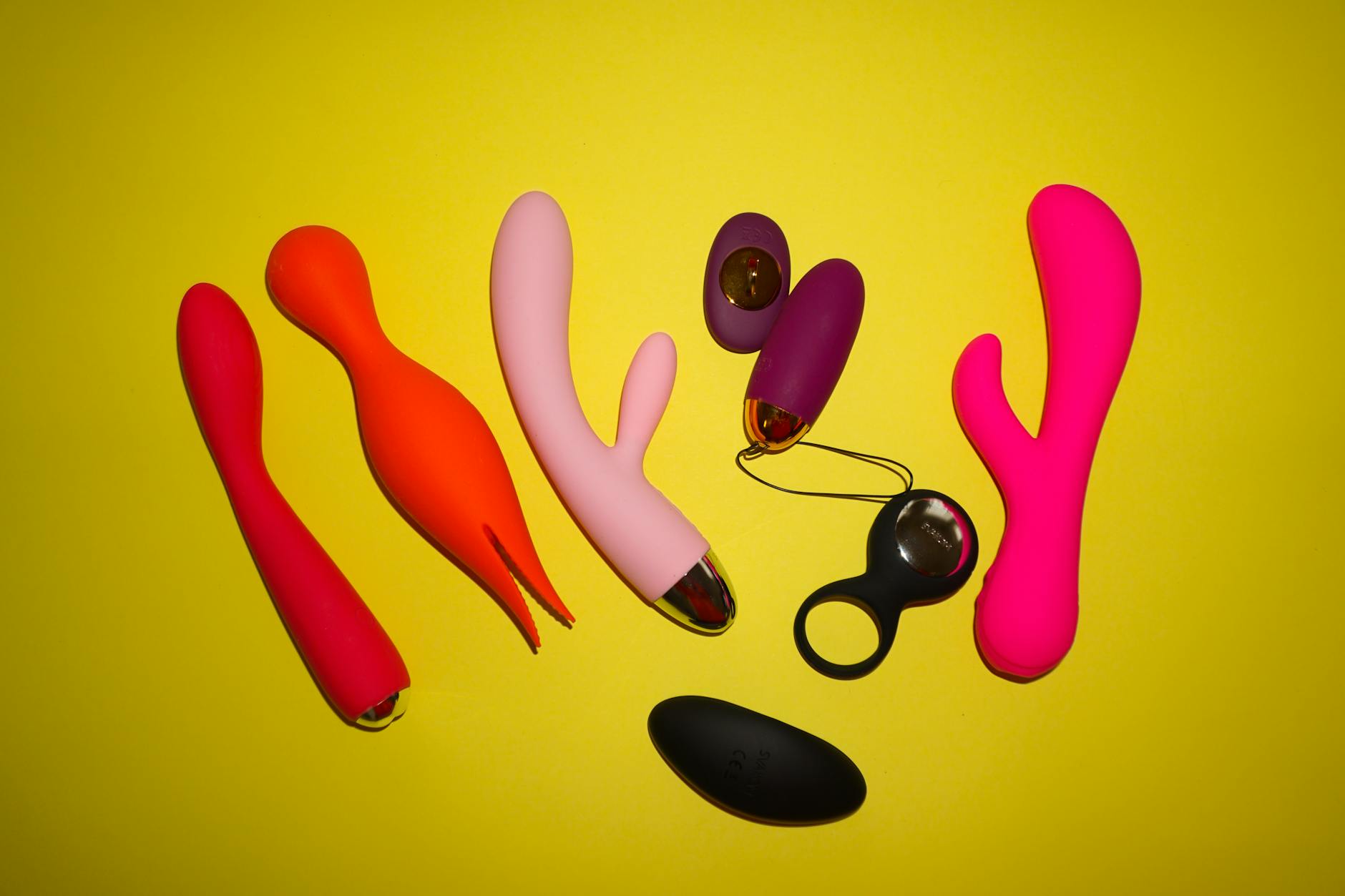
Let's be real
That little lemon vibrator sitting in your drawer? It's not going to bite. But I get why you're nervous. First-time vibrator use comes with so much baggage: Am I doing it right? Will I like it? What if nothing happens? What if I like it too much? These aren't stupid questions. They're just normal friction that evaporates the second you actually start.
Here's what you're actually about to experience: a tool that works with your body, not against it. The lemon clitoral vibrator isn't magic. It's physics. And physics, once you understand it, gets a lot less scary.
Why lemon vibrators hit different (the science part, short version)
Your clitoris has about 8,000 nerve endings concentrated in a space smaller than a pea. A vibrator, including lemon adult toys, delivers rapid micro-movements to those nerves. Your hand can't vibrate that fast. That's it. That's why the sensation feels new.
The shape of a lemon vibrator matters too. The rounded, bulbous design spreads stimulation across a wider surface area than a pointed toy would. This means less intensity concentration on a single nerve cluster, which for many people translates to more pleasure and fewer numb spots.
If you've heard that vibrators "desensitize" you, that's a myth. It's like saying a microphone damages your ears. A vibrator doesn't change your nerve endings. It just introduces them to a new frequency.
Before you start: the setup
Charge it fully. Don't try the learning curve on a half-dead battery. Weak vibrations feel weird and inconsistent. Plug it in for the full cycle. Yes, wait.
Read the manual. I know. But your specific lemon vibrator has a quirk. Maybe it has a safety lock. Maybe the button sequence is button-button-hold, not just button. Thirty seconds of reading saves fifteen minutes of confusion.
Find privacy and time. You need maybe 20 to 30 minutes where you're not listening for footsteps or monitoring the time. Pressure kills arousal. If that's impossible right now, wait until it is. Your body will thank you.
Lube. Even if you think you don't need it. A dab of water-based lubricant on the toy and your skin changes everything. It creates glide, reduces friction heat, and makes the sensation feel more blended. This isn't about being broken. It's about comfort.
The first-touch moment (how to actually start)
Take the vibrator. Don't turn it on yet. Feel the weight of it. Feel the shape. This sounds precious, but it genuinely helps. You're telling your brain, "This is an object I chose. I'm in control of it."
Now apply a little lube to the rounded head.
Turn it on at the lowest setting. You probably have three to five. Go with setting one. The impulse will be to jump to setting three because setting one feels subtle. Resist. Your nervous system is meeting this vibration for the first time. Let it be subtle.
Apply it to your outer labia first, not your clitoris. This is key. The outer labia are less sensitive, and they'll help your body acclimate. You're warming up the neighborhood before you visit the main event.
Move it slowly across your outer labia for 30 to 60 seconds. Notice what you feel. Is it pleasant? Ticklish? Too intense? All of the above at different spots? This information is yours.
When to move to direct clitoral contact
Your clitoris will tell you. You'll feel a magnetic pull. The vibration will start to feel less like novelty and more like want. That's when you gently bring the vibrator head toward the visible part of your clitoris.
Don't press it directly on the tip of your clitoris for the first time. Instead, hover it just above, or angle it so you're catching the side or the hood. This is still intense stimulation without being overwhelming.
Stay at setting one. Seriously.
Some people reach arousal and orgasm in three minutes on setting one. Some people spend ten minutes at setting one and never feel a shift. Both are completely normal. Your body isn't broken if it takes time. It's just calibrating.
What actually happens when you add intensity
Once setting one stops feeling like novelty and starts feeling like pleasure, you can experiment with setting two. This is where most people discover their sweet spot. Setting three and beyond are options, but you don't need them to have a brilliant experience. Some people prefer gentle, sustained stimulation over intensity. That's not less. It's different.
The arc usually goes like this: building warmth and focus for three to eight minutes, a plateau where you stabilize at one setting, then either an orgasm or a plateau that extends until you decide you're done.
Orgasm on a vibrator can feel different from partnered or solo hand stimulation. It's often more localized, more electric, sometimes shallower or sometimes deeper. It's not better or worse. It's a texture you hadn't experienced.
Some people don't orgasm the first time. They just feel really good. That's a win.
After the first time (what's normal)
Your clitoris might feel slightly tender afterward. It's not damaged. It's just had a good workout. Drink some water. Rest. Tomorrow it'll feel normal.
You might feel a little emotional, energized, sleepy, or weirdly present. All of that is your nervous system processing pleasure. Let it.
If you felt nothing, that doesn't mean vibrators aren't for you. It means setting one on your body right now was just introduction. Come back in two or three days. Arousal and receptivity shift day to day based on stress, cycle, sleep, and mood. A mediocre first experience is just that. Not prophecy.
Troubleshooting the most common first-time snags
It feels too intense right away. Turn it off and breathe for 30 seconds. Your nervous system has overstimulated. Try again at a lower intensity if your vibrator has one. If you're already at the lowest setting, take a break. Come back tomorrow.
It feels numb or irritating. Add more lube. Numb usually means friction or dryness. Irritating usually means the same.
My thighs are tensing up uncontrollably. That's fine. Your pelvic floor is engaging. You can try consciously relaxing it (breathe out, let your thighs soften), or you can let your body do what feels natural. Neither is wrong.
I feel self-conscious or weird. That's your brain trying to narrate the experience instead of being in it. Name the thought ("There's the judgment"), let it pass, and come back to sensation. You're alone. You're allowed.
The partner question
If you have a partner, you don't have to tell them about your vibrator immediately. Use it solo, get comfortable with it, learn what you like. Then you can decide whether to introduce it into partnered sex. You might. You might not. Both choices are valid.
If you do want to explore it together, know that lemon vibrators for solo play versus partnered use have different integration strategies. Starting solo is always wise.
The second time
The second time is usually easier than the first. Your body already knows what's coming. You can relax faster. You might orgasm when you didn't before. You might prefer a different setting. You might discover that you like a circular motion instead of direct pressure.
Experimentation happens in the third, fourth, and tenth times. The first time is just permission.
FAQ
Can I use a lemon vibrator every day?
Yes. There's no such thing as overuse. Your clitoris won't get desensitized to pleasure. If you feel numb, it's usually because you're stressed, tired, or dehydrated. Rest and hydration fix it faster than taking a vibrator break.
Will using a vibrator make it harder to orgasm with a partner?
No. It's the opposite myth of the desensitization claim. What actually happens is you learn what pleasure feels like in your body. That knowledge makes partnered sex better, not worse, because you know what to ask for.
What if nothing happens the first time?
Nothing happens a lot. First-time nerves, stress, distraction, wrong setting, not enough lube, not enough time. Come back when at least three of those variables are different. The experience shifts.
Is it okay to use a vibrator if I've never orgasmed?
Some people have their first orgasm with a vibrator. Some have had lots and haven't. A vibrator is a tool, not a magic wand. If you're struggling to orgasm, a vibrator might help you find the frequency your body responds to. It also might not. That's fine.
Can I use a lemon clitoral vibrator if I have anxiety or trauma?
Yes, with care. Go slow. Use the lowest setting. Take breaks. If touching yourself triggers fear or dissociation, work with a somatic therapist first. They can help you rebuild a felt sense of safety in your own body. Then a vibrator becomes a tool within that container, not a shortcut around it.
How do I know if I'm using it wrong?
If it's causing pain, you're using it wrong. Stop. If it feels weird but not bad, you're using it right. Weird is the bridge between foreign and familiar.