Here's the thing about stress and desire
When you're running on fumes, your body shuts down non-essential systems. Sex feels non-essential. So does pleasure. Your nervous system goes into survival mode, flooding your bloodstream with cortisol and adrenaline. Blood flow redirects away from the genitals. Sensation flattens. The thought of intimacy feels like another obligation instead of something that feels good.
This isn't laziness. This isn't your relationship failing. This is your brain protecting you from overstimulation by numbing your capacity to feel. The bad news: stress-induced numbness is real and physiological. The good news: it's reversible, and clitoral vibrators like lemon toys can be a powerful tool for rewaking that sensation.
How chronic stress actually kills pleasure
When stress stays high for weeks or months, your nervous system gets stuck in a sympathetic (fight-or-flight) state. That's the opposite of parasympathetic activation, which is what you need to feel arousal, let alone orgasm. Your pelvic floor tightens. Vaginal lubrication drops. The clitoris itself becomes less sensitive because reduced blood flow means fewer nerve endings firing.
Meanwhile, your brain chemistry shifts. Cortisol suppresses dopamine and serotonin, the neurotransmitters that make pleasure feel pleasurable. So even if you try to engage sexually, you're not getting the neurochemical reward that usually reinforces the behavior. It's a loop: less pleasure triggers less desire, which means you try less, which means the numbness deepens.
The kicker is that this happens while you're also likely irritable, exhausted, and feeling disconnected from your partner. Sexual intimacy starts to feel like yet another thing you're failing at, which cranks up the stress further.
Why lemon vibrators work differently than manual touch
This is where clitoral vibrators enter the picture, and why they're different from just relying on your partner's hands or your own.
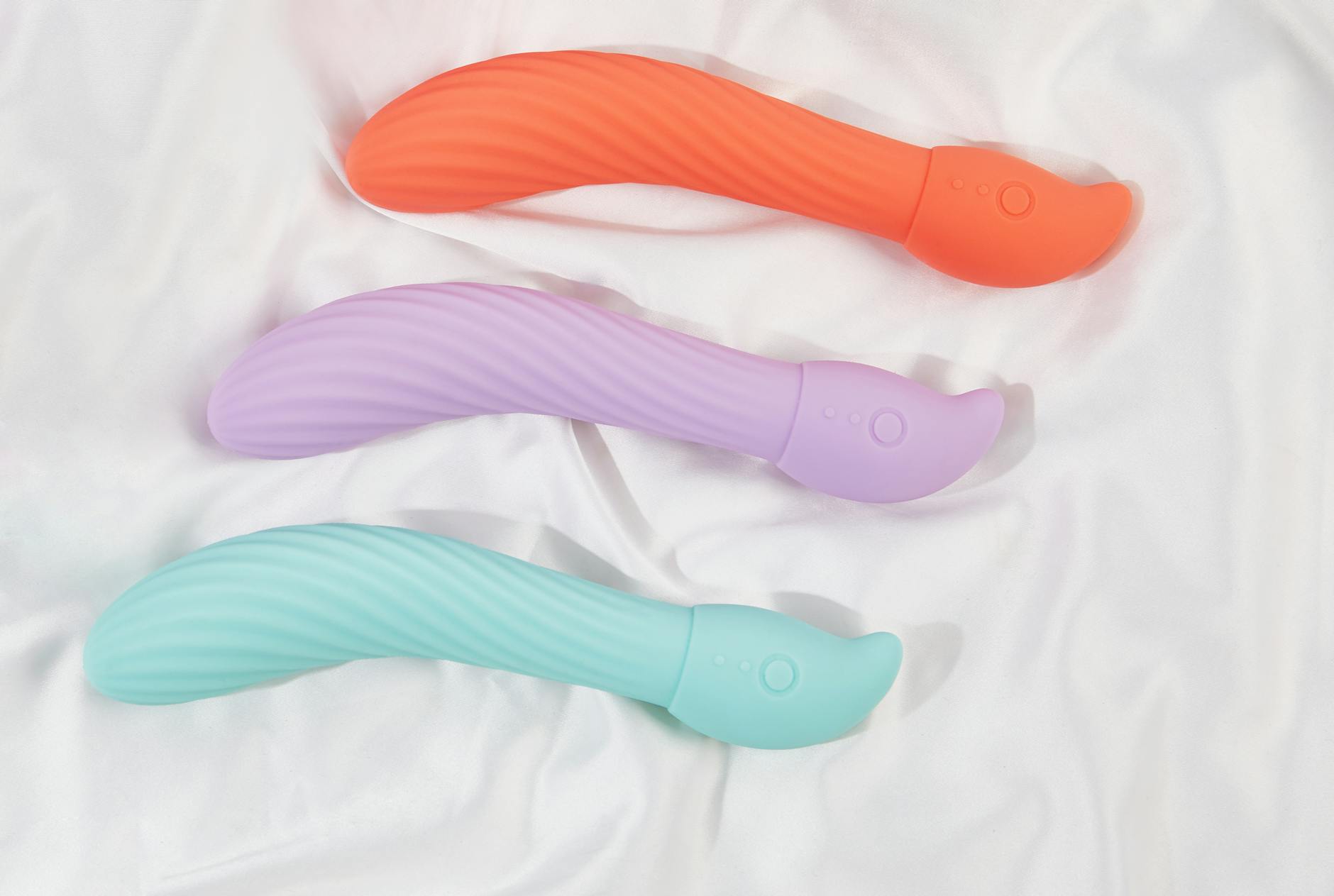
Vibration creates rapid, consistent stimulation that your nervous system can't tune out the way it tunes out static touch. A vibrator like a lemon clitoral vibrator produces thousands of micro-movements per second. Your body has to register that input. This bypasses some of the numbing that chronic stress creates.
For someone in a stress-flattened state, this matters because:
The stimulation is strong enough to get through the numbness. Manual touch, especially when sensation is dampened, can feel like nothing. Vibration cuts through that fog. You feel something, which is the first step toward feeling pleasure.
It activates the parasympathetic nervous system. When stimulation is pleasurable enough to register, your body releases a little oxytocin and endorphins. Your nervous system downshifts from fight-or-flight mode, even slightly. This is the mechanism that lets the relaxation response kick in.
It rewires expectation. Many people who've experienced stress-induced numbness have started to believe that pleasure is just gone. A vibrator that produces genuine sensation proves otherwise. It's neurologically retraining your brain that pleasure is possible.
The practical roadmap for using a lemon vibrator to rebuild sensation
Start solo, no pressure for partner involvement. This is important. When you're stressed, adding the expectation of partnered sex often adds more stress. Solo exploration gives you space to focus purely on what feels good without performance pressure.
Week one: Introduction and exploration. Use the vibrator on the lowest setting for just 5-10 minutes. Don't aim for orgasm. The goal is to notice any sensation that's different from your baseline. Tingling, warmth, a sense of something waking up. Many people report that the first few sessions feel almost mechanical. That's normal. You're rebuilding a signal that stress has suppressed.
Week two: Gradually increase intensity and time. Move to medium settings. Let sessions extend to 15-20 minutes. Your nervous system is slowly rebuilding the neurological pathway between stimulation and pleasure. This takes time. You're not broken if this feels slow.
Week three and beyond: Notice shifts in baseline arousal. After about two to three weeks of consistent solo use, many people notice that they feel slightly more awake sexually even outside the sessions. A thought might turn you on when it wouldn't have before. You might initiate touch with a partner without it feeling obligatory. These are small signs that the pleasure circuitry is rebooting.
Combining vibration with nervous system recovery
Here's the thing: a lemon vibrator is a tool, but it only works if your nervous system is also getting support in other areas. These three things create the best conditions for sensation to return.
Sleep. This is non-negotiable. Cortisol levels drop during deep sleep. That's when your body repairs the neurological damage stress causes. If you're not sleeping enough, even perfect vibrator sessions won't create lasting change.
Movement, specifically anything that feels good. This doesn't mean intense exercise, which can actually increase cortisol if you're already stressed. It means walking, stretching, dancing, or swimming. Movement that feels fluid and pleasurable signals safety to your nervous system.
Actual stress reduction. This might sound obvious, but it's worth naming. If work is still chaotic, if your relationship is still in conflict, if you're still running on empty, sensation won't stick. Vibrators can help you access pleasure despite stress, but they're not a substitute for actually addressing the source.
Many people find that rebuilding sensation with a vibrator actually motivates them to tackle the stress itself. Because once you remember what pleasure feels like, the motivation to protect it becomes real.
What changes when sensation comes back
After three to six weeks of consistent use, most people report a shift. Desire starts to return. Your body feels less numb, not just in the moment but throughout the day. You might notice you're more willing to be touched. Physical affection with your partner (if you have one) starts to feel like something you want, not something you're checking off a list.
Orgasm often returns too, though sometimes the experience feels different after stress has suppressed it. Some people find their orgasms feel more subtle at first, more concentrated. That's fine. You're rebuilding sensitivity. The intensity often comes back.
One more thing: if you're in a relationship and this stress-induced numbness is affecting both of you, bringing the vibrator into partnered sex can be a way of saying "I want to reconnect, and here's a tool that helps me feel." It's not about replacing your partner. It's about inviting them into the process of healing.
FAQ: Rebuilding pleasure after stress
How long does it actually take to feel sensation again after chronic stress?
Most people notice small shifts within two to three weeks of consistent vibrator use. Significant changes usually take four to eight weeks. This varies based on how long the stress was present, how much sleep you're getting, and whether the underlying stressor is still active. Patience is essential here.
Can I use a lemon vibrator if I'm still dealing with active stress?
Yes, absolutely. In fact, it can help. Vibrators can create moments of parasympathetic activation even when your broader life is still stressful. Think of it as creating pockets of safety and pleasure within a difficult time. Just know that the deeper recovery happens when stress levels also come down.
What if I try a clitoral vibrator and it feels uncomfortable or too intense?
Start on the lowest setting and use it for shorter periods. If your tissues are stressed and tense, lower intensity matters more than duration. You might also experiment with different vibrators if the first one doesn't work. Some people prefer air-suction technology like Hello Nancy's lemon toys because the sensation feels gentler than traditional vibration.
Should I tell my partner I'm using a vibrator to rebuild sensation?
That depends on your relationship and comfort level. Some people prefer solo exploration initially to avoid adding performance pressure. Others find that transparency and teamwork actually deepens intimacy. The key is that if you eventually want to rebuild partnered intimacy, communication becomes important. "I'm rebuilding sensation and this helps me" is a very different conversation than hiding it.
Is it normal to feel nothing the first few times I use a lemon vibrator?
Completely normal. Your nervous system is used to numbness. It takes time to register that new input is possible. Many people describe the first week as feeling mechanical or detached. That changes. Keep going.
If sensation doesn't return after eight weeks, what should I do?
Consider talking to a therapist who specializes in trauma or stress. Sometimes sensation stays suppressed because the nervous system is holding onto something deeper than stress. There's no shame in getting support. A licensed professional can help you address root causes that a vibrator alone can't touch.
The path forward
Stress has a way of making you believe that pleasure is gone for good. It's not. Your body's capacity for sensation is still there. It's just temporarily offline. A lemon vibrator or other quality clitoral vibrator can be the bridge back to feeling. But it works best when you're also getting sleep, moving your body, and gradually lowering the stress that caused the numbness in the first place. Start small, be patient with yourself, and notice what shifts. Sensation will return.