Let's name what's actually happening
You started an SSRI three weeks ago because your anxiety needed help. Your therapist said it was the right move. And it was. Except now orgasm feels like trying to reach something underwater. Your partner touches you and you feel approximately nothing. You're wondering if this is permanent, if you should stop the medication, or if you're just broken now.
You're not broken. This is real, it's temporary, and it's fixable.
Why antidepressants flatten sensation
SSRIs work by increasing serotonin in your brain. That's great for anxiety and depression. But here's the complication: serotonin also regulates the signals your body sends during arousal and orgasm. Higher serotonin can mean slower arousal, delayed orgasm, or that numb, disconnected feeling where you're trying to feel something and your body just isn't cooperating.
It's not psychological. It's neurochemical. Your brain is wired differently right now, and the neural pathways that used to fire up automatically during sex are moving slower. Some people describe it as "watching yourself have sex from three feet away." Others say sensation feels muted, like the volume got turned down.
The good news: this almost always resolves as your body adjusts to the medication. Usually within two to eight weeks. But waiting passively is brutal. That's where approach matters.
The adjustment window and what actually works
Most people see significant improvement between week four and week twelve on SSRIs. Your brain is essentially rebalancing itself. During this window, the worst thing you can do is stop trying. Sexual activity, including solo exploration, actually helps your nervous system recalibrate faster because you're sending signals to your brain that pleasure is still possible.
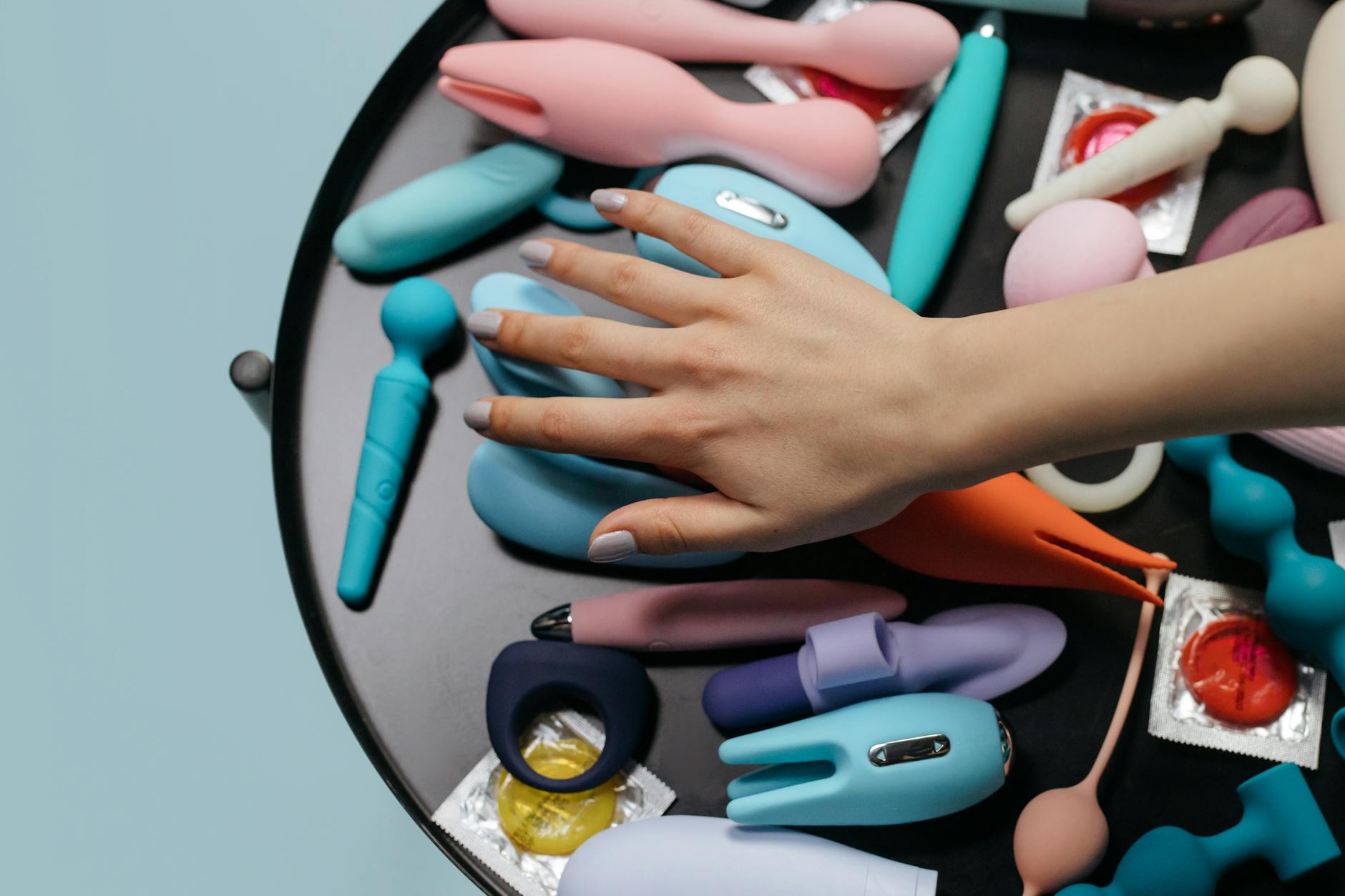
This is where lemon clitoral vibrators become genuinely useful. Here's why: they bypass the sluggish arousal pathway and provide direct, consistent stimulation to nerve endings that are still very much functional. You're not waiting for sensation to build naturally. You're introducing strong, focused input that your nervous system can work with, even when it's moving slowly.
Think of it like this. If your arousal system is running at half speed, you need something that doesn't require a long runway. Lemon vibrators, especially the lem vibrator with its air-suction design, provide immediate, intense sensation without relying on the slower mechanisms of natural arousal.
How the lem vibrator specifically helps during SSRI adjustment
The clitoral area has somewhere between 8,000 and 10,000 nerve endings. Air-suction toys like the lem activate these nerves differently than traditional vibrators because they create rhythmic pressure pulses rather than constant vibration. This matters when you're on an SSRI because:
First, the pulsing pattern is easier for a sluggish nervous system to recognize and respond to. Your brain gets clearer signals. Second, you need less sustained arousal to reach orgasm because the stimulation is more intense. Third, it reduces the mental frustration of "waiting to feel something," which then reduces performance anxiety, which helps with the numbness. It's circular in a good way.
Many people on SSRIs report that their first orgasm after starting the medication happens with a toy, not with a partner or solo. That's not failure. That's smart use of tools.
Conversation with your partner (if you have one)
This is the part that matters as much as the mechanics. If you're partnered, your person needs to understand three things: one, this is the medication working, not your body failing. Two, it's temporary. Three, you still want to be close, just differently right now.
Some couples pivot to mutual exploration with lemon adult toys as part of partnered time. You're not "replaced" the partner with the toy. You're including the toy in what you do together. That shift in language helps. "Let's use this together" feels collaborative. "I need this instead" feels lonely.
If you're solo, lemon sexual toys become a form of self-care during a transition. You're actively maintaining connection to your body while your brain chemistry adjusts. That's not compensation. That's wisdom.
The timeline and what to expect
Week one to three: Sensation is flat. This is the roughest window. Use the toy if you want to, but don't pressure yourself. The goal right now is just to maintain touch.
Week four to six: You might notice slight improvements. A fingertip feels more like a fingertip. The toy starts to register as genuinely pleasurable rather than just functional. Some people have their first post-SSRI orgasm here.
Week seven to twelve: For most people, sensation is largely back to baseline. Orgasms may still take longer than before, but they're not numb anymore. The lem vibrator or other lemon clitoral vibrators become optional rather than necessary.
Week twelve onward: Most adjustments have happened. Some people find they prefer a toy permanently. Others go back to their previous patterns. Both are fine.
The timeline varies wildly based on dosage, individual neurology, and how long you've been on the medication. Six weeks in and still numb? That's worth flagging to your prescriber. A dose adjustment might help, or adding a medication to offset SSRI sexual side effects is a real option doctors can discuss.
What doesn't work (and why you shouldn't try it)
Don't push through and expect willpower to generate sensation. It won't. Don't stop taking the medication without talking to your doctor. The anxiety or depression will likely return, and that's worse than the numbness. Don't assume your body will never feel normal again. It almost certainly will.
Don't blame yourself or your partner for the flatness. This is chemistry, not character.
When to talk to your doctor
If you're still experiencing significant numbness after eight weeks, mention it. If orgasm is completely absent (not just delayed), bring it up. If the emotional flatness is spreading beyond sexual sensation into everything, tell your prescriber. These are not small complaints. Sexual function is part of mental health, and there are solutions.
Your doctor might suggest waiting a few more weeks. They might lower your dose. They might add bupropion, which actually improves sexual function. They might suggest a different SSRI altogether. The point is, you're not stuck. There are moves to make.
The bigger picture
Starting an SSRI is an act of self-care. The sexual side effects are real and frustrating, but they're not permanent, and they're not a sign that you made the wrong choice. The medication helping your anxiety or depression is the primary job, and that job is more important than perfect sexual function right now.
You can have both. It just takes a small adjustment period, the right information, and sometimes the right tool. Lemon vibrators exist partly because people on antidepressants needed something that works differently. You're not discovering a loophole. You're using something designed for exactly this moment.
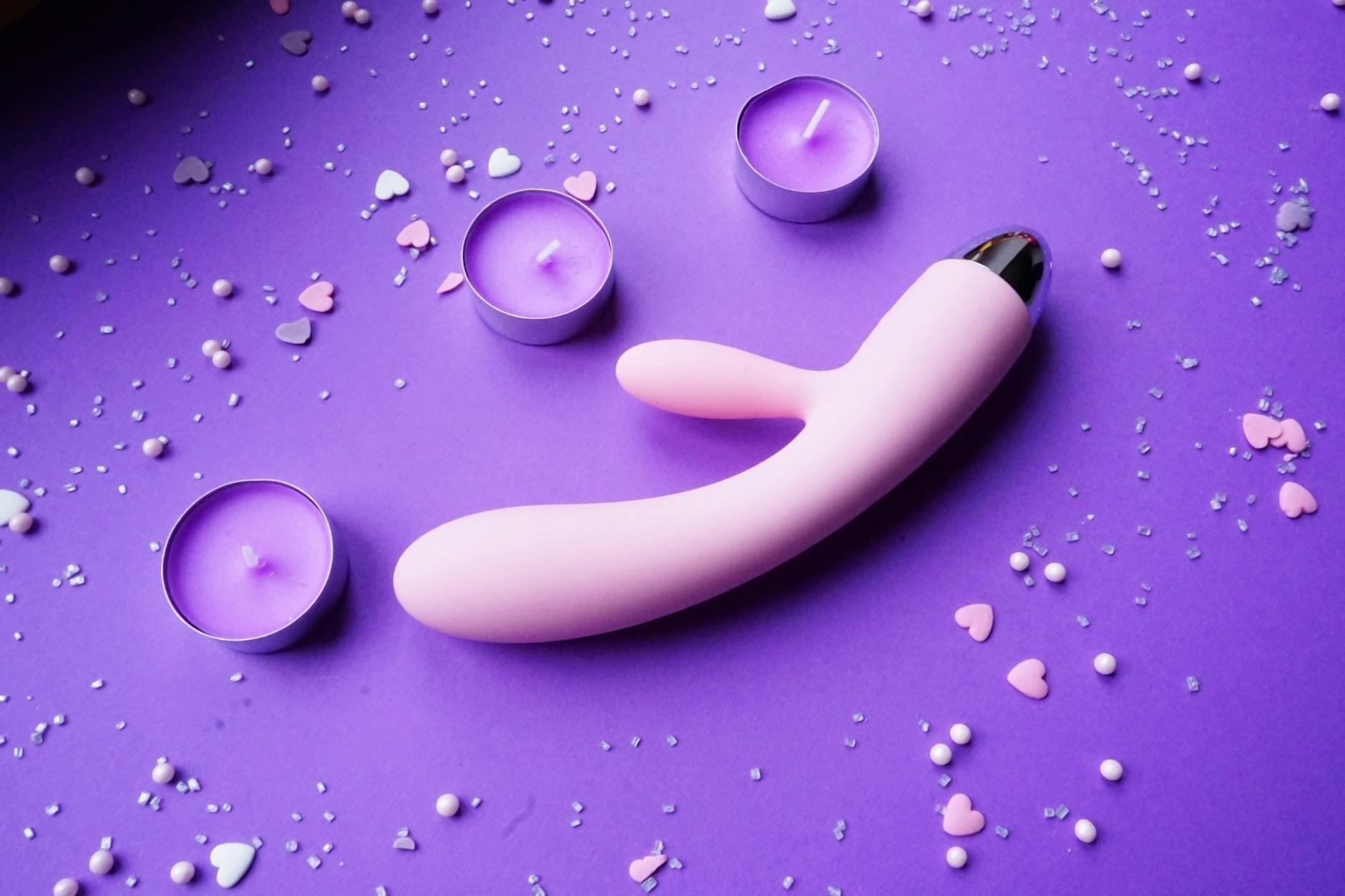
Photo by FounderTips on Pexels
Frequently asked questions
Why do SSRIs cause sexual side effects in the first place?
SSRIs work by increasing serotonin availability in your brain. Serotonin is involved in mood, but it's also involved in the sexual response cycle. Higher serotonin can slow arousal, delay orgasm, and reduce genital sensation. It's the same mechanism that makes you feel calmer. Your nervous system is more regulated overall, which sometimes means slower to activate for sex too.
Will lemon clitoral vibrators permanently change what I need for orgasm?
Not necessarily. Most people find that as their body adjusts to the SSRI (usually within eight to twelve weeks), they can orgasm without a toy again if they want to. Some people discover they prefer toys and keep using them. Neither outcome is wrong. You're not training your body into dependency. You're using a tool during a transition.
Can I use a lemon vibrator while I'm still adjusting to my SSRI?
Yes, absolutely. There's no interaction between the medication and the toy. Solo use with a toy is actually helpful during this window because you're maintaining arousal and sensation signals even while your nervous system is adjusting. It keeps touch alive without pressure.
What if the numbness doesn't go away after twelve weeks?
This is worth discussing with your prescriber. Some people need a dose adjustment. Some people do better on a different SSRI. Some people benefit from adding a second medication that counteracts sexual side effects, like bupropion. Sexual dysfunction is a legitimate reason to revisit your medication plan, not a sign of weakness or failure.
Is it normal to have my first orgasm after starting an SSRI happen with a toy rather than naturally?
Yes, it's very normal. When your arousal system is moving slowly, you often need more direct stimulation to reach orgasm. A lemon clitoral vibrator provides that intensity. It's not a workaround or a cheat. It's smart adaptation while your body adjusts.
Should I tell my doctor I'm using toys to manage SSRI side effects?
If it comes up in conversation, yes. Your doctor isn't going to judge you. They already know that SSRIs affect sexual function, and they know that toys help. It might actually inform their treatment plan if you need a medication adjustment.
The path forward
You started the medication to feel better overall. That includes sexually. The flatness you're experiencing right now is real, temporary, and manageable. A lemon vibrator isn't a permanent replacement for natural sensation. It's a bridge during the window when your brain is recalibrating. Most people cross that bridge in a matter of weeks and find themselves on the other side with both their mental health improved and their sexual function intact.
Your pleasure matters. Your mental health matters. Both deserve attention, and both can improve at the same time. If you need more support navigating medication changes and intimacy, reach out to a therapist familiar with psychopharmacology and sexual health.