The thing no one tells you about birth control and desire
Birth control pills are incredible. They work. But here's what your doctor probably didn't mention: they mess with your sex drive in pretty measurable ways. Not for everyone, and not always permanently. But for enough people that you're not imagining it if your desire has tanked since you started.
Honestly, this catches a lot of people off guard. You get prescribed pills to prevent pregnancy and regulate your cycle, and suddenly your body feels like it's running on a different operating system. Lower libido, duller sensation, difficulty reaching orgasm. The arousal that used to build in minutes now takes forever. Or doesn't show up at all.
What birth control actually does to pleasure
The culprit isn't a mystery. Birth control pills work by suppressing the hormones that drive ovulation. Estrogen and progestin flood your system at controlled levels, which shuts down your natural hormone cycles. This is the whole point. But those same hormones affect arousal, sensitivity, and blood flow to your genitals.
Here's the cascade: lower testosterone (yes, the hormone that contributes to desire in everyone with ovaries) means less spontaneous interest in sex. Altered estrogen levels reduce vaginal lubrication and can make tissues less responsive to stimulation. Your nervous system's sensitivity to touch actually shifts. The clitoris is exquisitely hormone-responsive. When hormones change, sensation changes.
Some people switch pills and notice improvement immediately. Others need a few months for their body to adjust. And some find that no matter what brand they try, the dampening effect persists. That last group is who I work with most often, and the frustration is real because you chose a pill for safety or convenience, not knowing it would quiet down something fundamental to how you feel in your body.
Why lemon vibrators make such a difference
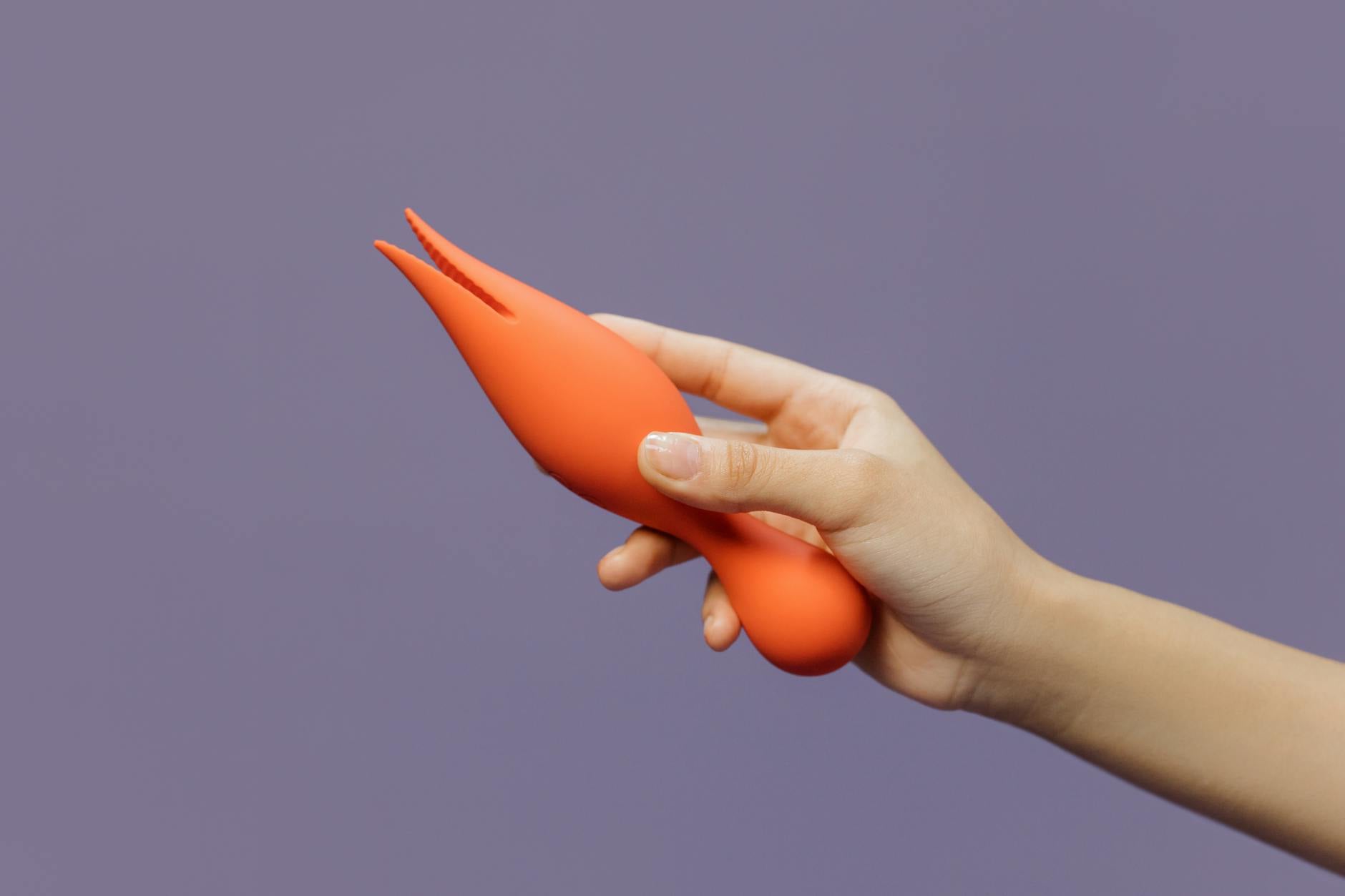
Lemon clitoral vibrators work differently than your hand or a partner's touch because they bypass the need for your body to build arousal from scratch. Instead of waiting for sensation to accumulate naturally (which takes longer on birth control), a lemon vibrator jumpstarts the process.
The suction pattern on a device like the Lem engages the nerve endings around your clitoris in a way that doesn't require the same hormonal priming. You're using external stimulation to wake up pathways that birth control has muted, not waiting for internal chemistry to fire them up. It's like having a conversation starter when small talk feels impossible.
There's also a rhythm advantage. Your hand gets tired. Your partner has to guess what intensity works. A lemon sexual toy holds a consistent pattern and lets you focus entirely on sensation without the cognitive load of managing someone else's input or your own technique. On birth control, when arousal is already sluggish, that simplicity matters.
The specific patterns that help most
Not all vibrators are equal when you're on birth control. Here's what I recommend:
Start lower than you think you need. If you're used to intensity level 8 before you started pills, try level 3 or 4 now. Birth control often makes tissues more sensitive to irritation even as overall sensation dulls. That's a weird paradox, but it's common. You need gentler initial pressure.
Use patterns, not just constant buzz. Pulsing, rhythmic patterns work better than steady vibration for most people on hormonal birth control. The variation seems to engage more sensory neurons. The Lem's pulsing modes are designed exactly for this.
Warm up longer than you used to. Spend 5 to 10 minutes at lower intensity before ramping up. Your body isn't generating arousal on its own anymore. Give the vibrator time to build stimulation gradually.
Combine with lubrication. Water-based lube helps tissues respond better and makes everything feel less harsh. Birth control can reduce natural lubrication significantly, so this isn't optional. It's part of the setup.
The timeline for getting sensation back
Here's the honest part: it doesn't happen overnight. If you've been on birth control for months, your body isn't going to remember pre-pill sensitivity in a week. But most people do notice a shift within two to four weeks of incorporating lemon vibrators into their routine. Not a return to baseline, necessarily, but a noticeable loosening of the numbness.
What I tell my clients: use the vibrator regularly, not just when you want to have an orgasm. Two or three times a week, spend 15 minutes just exploring sensation without performance pressure. This is retraining your nervous system to recognize pleasure again. It's not about the destination. It's about waking up pathways that birth control has put on pause.
The pleasure often comes back in layers. First, you notice sensation returning. Then arousal starts building more easily. Then orgasms feel less distant. By week six or eight, plenty of people tell me they feel back in their body in a way that feels normal.
When to consider switching pills
If after six weeks of regular use your pleasure hasn't budged at all, it might be time to talk to your doctor about switching brands. Different formulations have different hormone ratios. Some pills have lower progestin loads, which can help. Others have estrogen levels that feel more compatible with your body.
Your doctor won't judge you for saying your current pill is killing your sex drive. They've heard it before. There are dozens of options, and the right one for you might be completely different from the one you started on. A few people find that switching pills changes everything. Others find that even after trying four or five different brands, the dampening persists. If that's you, lemon adult toys become part of your long-term solution, not a temporary fix.
There's also the option of supplemental testosterone, prescribed topically in very small doses. It's not standard practice everywhere, but it's worth asking about if pleasure hasn't returned after trying different pills and establishing a rhythm with a vibrator.
The conversation with your partner
If you're with someone, this is worth talking about directly. Not "my body is broken" (it isn't), but "my birth control is affecting my sensation and I need us to adjust how we approach this." Some partners get it immediately. Others feel rejected or confused. Having language ready helps.
You might say something like: "This isn't about you or how I feel about you. My hormones have shifted and my body takes longer to warm up now. I want to explore some tools that help me reconnect with sensation. Would you be interested in that together, or do you want me to have that time alone?" This isn't asking permission. It's inviting them into the problem-solving.
Some couples use a lemon vibrator together. Some partners find that including it in their intimate time actually solves the desire gap entirely because the pressure to perform is off. You're not waiting for natural arousal. You're both working with what you've got and making it work.
The bottom line
Birth control is a choice you made for reasons that matter. Your safety, your autonomy, your peace of mind. That choice comes with a side effect for some people: muted pleasure. But that doesn't have to be permanent, and it doesn't mean you accept that tradeoff forever.
Lemon vibrators specifically help because they work around hormonal dampening instead of waiting for hormones to cooperate. They're a tool for reconnecting with sensation on the terms your current body actually operates. Most people find that after a few weeks of using them regularly, pleasure starts returning. Not all the way back, always. But enough that sex feels like something your body wants again, not something you're managing.
Your pleasure matters, and it's not worth sacrificing for convenience. If birth control has quietly muted something important, reach out to a therapist or doctor who takes this seriously. And give yourself permission to use whatever tools actually work.
People also ask
Does every birth control pill affect libido?
No. Some people notice zero change in desire or sensation. Others feel a dramatic shift within the first week. A lot depends on your baseline hormones, how sensitive your body is to synthetic hormones, and the specific formulation of the pill you're taking. If birth control hasn't affected you, that's genuinely great. But if it has, you're not unusual, and you're not making it up.
Can you use lemon clitoral vibrators if you're on birth control?
Absolutely. In fact, many people find that lemon sexual toys become even more valuable when hormones are suppressed because they provide stimulation your body isn't generating naturally. There's no interaction between birth control and using a vibrator. It's a perfectly safe combination.
Will stopping birth control bring sensation back immediately?
Not quite. Your body's hormones need time to reset. Most people notice changes within two to three weeks of stopping, but full sensation restoration can take two to four months. During that transition, using a lemon vibrator helps you stay connected to pleasure while your hormones sort themselves out.
Are lemon vibrators better than other vibrators for birth control users?
The suction pattern on a device like the Lem tends to work well because it engages sensation differently than traditional vibration alone. But honestly, what matters most is consistent use, the right intensity level, and patience. If you already have a vibrator you like, try the strategies in this post with what you've got first. You might be surprised how much a slight adjustment to technique or pattern helps.
How long before you notice a difference?
Two to four weeks of regular use, a few times a week. Some people feel a shift sooner. Others take a full month. The key is consistency without pressure. You're not trying to force pleasure back. You're giving your nervous system a chance to remember it again.
Should you tell your partner you're using a lemon vibrator?
That's entirely your call. Some couples find that transparency strengthens intimacy. Others prefer privacy. What matters is that you're not hiding it because you're ashamed. You're using a tool to reconnect with your own body. That's health, not deception. If a partner has feelings about it, that's a conversation worth having, but it's not a reason to abandon something that helps you.