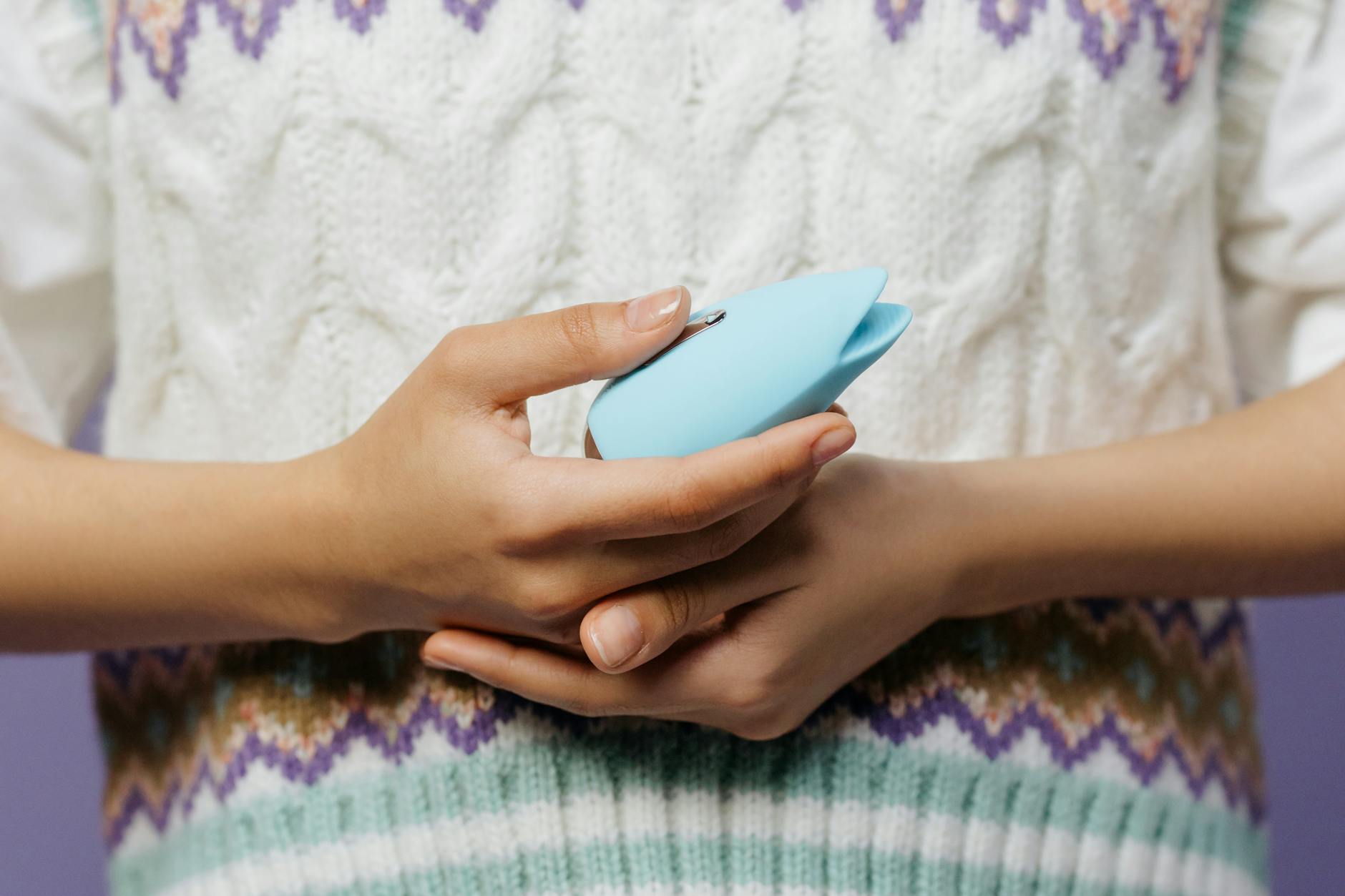
How Lemon Vibrators Help Restore Pleasure After Menopause
Let's be real: menopause changes pleasure. It does not end it. That distinction matters because most of what you've heard splits into two camps—either everything dries up and sex becomes mechanical, or it's all fine and nothing changes at all. Both are wrong, and both leave you feeling stranded.
Here's what actually happens physiologically when menopause hits, and why something like a lemon clitoral vibrator often becomes genuinely useful during this transition.
What hormonal shifts actually do to sensation
When estrogen drops, tissue in your vulva gets thinner. Lubrication takes longer to arrive and feels less abundant. Blood flow to the clitoris changes slightly, which means arousal can feel slower or require different stimulation to build. Your pelvic floor loses estrogen support, which shifts how orgasms feel. Sometimes shallower. Sometimes more intensely concentrated. Sometimes both at different times.
And yes, testosterone drops too. People with ovaries produce testosterone, and it's a major driver of desire. When it dips, wanting sex can feel more muted or require more intentional effort to access.
But here's the critical part: none of these changes mean you've lost the capacity for pleasure. Your clitoral nerve endings don't disappear. The neural pathways for arousal stay intact. Your brain's ability to experience orgasm remains fully functional. Many of my clients report their most intense orgasms arrive after menopause, and this isn't a polite fiction. It's something I see consistently in my practice.
Why a lemon clitoral vibrator becomes your friend during menopause
The reason lemon vibrators work so well for post-menopausal pleasure comes down to design and stimulation pattern. Air-suction technology doesn't rely on direct friction the way traditional vibrators do. Instead, it creates gentle pressure waves that stimulate nerves without intense mechanical force on thinner tissue.
For people experiencing vaginal atrophy or simply less natural lubrication, this matters. You're getting powerful stimulation without the potential for irritation or discomfort that can come with sustained friction on delicate tissue. A lemon clitoral vibrator gives you intensity without aggression.
The pattern itself also matters. Lemon vibrators operate through rhythmic suction that mimics natural oral stimulation. During menopause, when sensation can feel muted, this rhythmic pattern often cuts through that numbness more effectively than steady vibration alone. It's not that steady vibration stops working. It's that suction patterns tend to feel more distinct and easier to locate, which makes arousal feel less like chasing something and more like finding it.
The physical adjustments that make pleasure accessible again
Four things I recommend to almost every client navigating menopause:
Use water-based lubricant, always. Not because you're broken, but because your tissue genuinely benefits from the slip. Silicone-based lubes feel richer but can degrade silicone toys, so stick to water-based. Hyaluronic acid-based lubes are particularly good during menopause because they mimic your body's natural moisture.
Budget more time for warm-up. Arousal takes longer to build. Instead of five to ten minutes, plan for fifteen to twenty-five. This isn't a loss. It's actually an invitation to slow down and notice what feels good without rushing through it.
Start at lower intensity patterns. If you're using a lemon vibrator, begin at pattern one or two and work up. Your tissue will feel less overwhelmed, and you're more likely to find a rhythm that builds rather than plateaus.
Pay attention to your pelvic floor. Kegels help, yes, but so does learning to fully relax your pelvic floor, which becomes harder as estrogen drops. A few minutes of conscious relaxation before pleasure can unlock sensation that feels clenched or blocked.
When menopause collides with other life transitions
Here's something that catches people off guard: menopause often arrives tangled up with other massive shifts. Grown children leaving home. Relationship dynamics changing. Career transitions. Loss. The temptation is to blame every change in pleasure on hormones. Sometimes it is. Often something else entirely is wearing a hormonal disguise.
If you're partnered, the most valuable thing you can do is separate these conversations. Saying "My body is responding differently to touch" is not the same as "I want us to reconnect." Confusing them turns both into dead ends. You end up medicinalizing what might actually be an emotional or relational shift.
That's where solo pleasure with something like a lemon clitoral vibrator becomes important. It's not just about orgasm. It's about reclaiming your own sensations independently of anyone else's timeline or response. You get to explore what feels good without performance pressure.
The mental piece matters as much as the physical one
Menopause often brings clarity. The cognitive load of cycling hormones, fertility concerns, and decades of calibrating your pleasure around someone else's rhythm lifts. For the first time, many people find themselves asking: what do I actually want? Not what's expected. Not what worked before. What do I want right now?
That clarity is gold. And it's often when people discover they want pleasure more than they expected to. Menopause doesn't end desire. Sometimes it clarifies it.
A lemon clitoral vibrator becomes useful partly because it removes friction from the process. You're not negotiating with a partner. You're not managing anyone else's expectations. You're just exploring what your body can feel and enjoy when you're fully in control.
When to talk to a doctor about menopause and pleasure
If pain appears during sex or stimulation, don't wait it out. Genitourinary syndrome of menopause is real, common, and treatable. Topical estrogen creams often transform things within weeks with minimal systemic absorption. A menopause-informed gynecologist or GP can give you options.
If desire has completely flatlined and isn't returning on its own, testosterone therapy is worth discussing with a doctor who specializes in menopause. It's prescribed conservatively in some regions but is available and life-changing for the right person.
If arousal feels impossibly slow or sensation feels completely numbed, sometimes a combination of approaches helps. Estrogen support plus dedicated solo exploration with lemon sexual toys plus communication with your partner (if you have one) creates a bigger picture than any single solution.
FAQ: Your Questions About Lemon Vibrators and Menopause
Can you use lemon vibrators safely during menopause?
Absolutely. Lemon clitoral vibrators are designed for external use on sensitive tissue, and menopause doesn't change that. If anything, the gentler stimulation patterns work well for tissue that's become more delicate. Just use water-based lubricant and clean your toy before and after use. If you have severe vaginal atrophy causing pain, check with your doctor first, but in most cases, a lemon vibrator is safe and often helpful.
Do lemon vibrators feel different after menopause than they did before?
Yes, and that's normal. You might find you need longer warm-up time, or you might discover that certain patterns feel more satisfying now than they used to. Some people find suction-based vibrators like lemon toys feel more distinct and easier to locate after menopause, since sensation can feel more muted overall. It's not that the toy is different. Your nervous system is, and that changes the experience.
How long does it take to feel pleasure again with lemon vibrators after menopause?
This varies widely. Some people notice a shift within a few uses. Others take weeks to settle into new rhythms. Patience matters here. You're not waiting for sensation to return. You're discovering what sensation feels like now. If you're not feeling anything after several attempts, check that you're using lubricant, giving yourself enough warm-up time, and starting at lower intensity patterns.
Should you use hormonal treatments alongside lemon vibrators?
That's a conversation for your doctor, but many people find that combining approaches works best. Topical estrogen or testosterone can help tissue recover its sensitivity, and then exploring with a lemon clitoral vibrator helps you reconnect with what's possible. They can work together. They don't have to be either/or.
Can menopause make you lose the ability to orgasm with vibrators?
No. The neural pathways for orgasm don't disappear. What changes is access. You might need different stimulation, more time, or a different pattern than you used before. That's an adjustment, not a loss. Many people find that lemon vibrators, specifically, help them access orgasm more reliably during menopause than they could with other toys or methods before.
Is it normal to feel less interested in pleasure during menopause?
Yes and no. Menopause itself doesn't erase desire, but the hormonal shifts and other life stressors that often come with it can make pleasure feel harder to access or less urgent. That's different from actual loss of capacity. Solo exploration with a lemon clitoral vibrator often helps people reconnect with pleasure for its own sake, separate from hormones or expectations.
The door opens differently now
Menopause isn't the end of pleasure. It's a reset. What felt good before might not feel the same. What never worked might suddenly make sense. Tools like lemon vibrators, combined with patience and actual information about what's changing, help you navigate that reset without shame or unnecessary suffering.
Your pleasure matters. Your body's changes don't invalidate that. And sometimes a well-designed tool designed with sensitivity and intention makes the whole process feel less like recovery and more like exploration.
Ready to explore what works for you now? That conversation starts with your own curiosity, not anyone else's timeline. Get in touch if you want to talk through what approach might fit your situation.