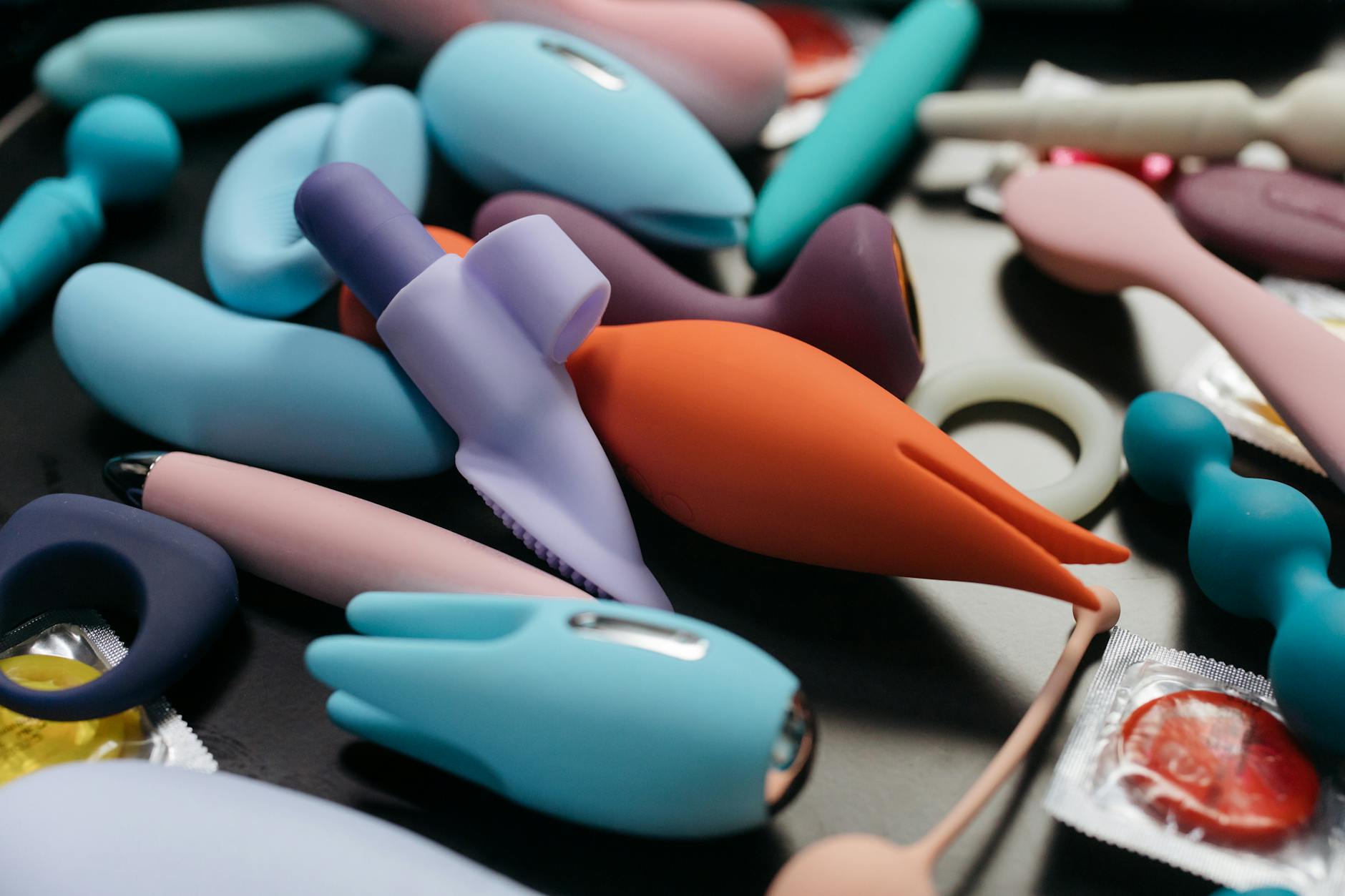
Let's be real about what happens to sensation after 50
You're not broken. Your body isn't shutting down. What's happening is more like a dimmer switch than an off switch, and that distinction changes everything about how you approach pleasure.
After 50, the tissue in your vulva gets thinner. Nerve sensitivity doesn't disappear, but the signal takes longer to travel. Arousal builds more slowly. Orgasms, when they arrive, might feel less intense or more localized than they used to. You might also find that direct touch feels less pleasurable and more uncomfortable. These are not failures. They're physics.
The real problem isn't the sensation change itself. It's that nobody talks about it clearly, so when it happens, you assume you're the only one experiencing it. You're not. Most of my clients over 50 describe the same arc: confusion, frustration, then acceptance, then often a quiet relief that sex is no longer tied to performance.
Why numbness feels so alarming
Numbness is scary because it feels voluntary, like your body is choosing to shut you out. In reality, it's usually one of three things happening together.
First, estrogen changes blood flow. Thinner tissue gets less oxygen. Less oxygen means less sensitivity to subtle stimulation. A feather-light touch that used to wake everything up now feels like nothing. That's not numbness. That's a volume dial that's been turned down.
Second, you might be tensing without knowing it. As we age and life gets heavier, we carry stress in our pelvic floor. A tight pelvic floor literally reduces sensation because the muscles are braced instead of relaxed. You're not numb. You're armored.
Third, your brain might be somewhere else entirely. If you're thinking about tomorrow's schedule, your body's job interview, or whether the kids remembered their keys, your nervous system isn't available for pleasure. This isn't unique to 50. But after 50, when sensation is already quieter, mental distraction has a louder impact.
How clitoral vibrators solve this differently
Here's what I want you to understand: a clitoral vibrator isn't a workaround for broken sensitivity. It's a tool that amplifies signal.
When direct touch feels muted, vibration adds frequency. Your nerve endings respond to movement and rhythm better than to steady pressure alone. That's not a compromise. That's working with your body's actual needs instead of fighting them.
Lemon sexual toys like the Lemon Clitoral Vibrator are specifically designed with this in mind. Air-suction technology (the mechanism inside lemon clitoral vibrators) stimulates nerves without requiring intense direct friction on tissue that's become more delicate. You get strong sensation from gentler contact. That matters.
What patterns actually work after 50
Timing and rhythm change after 50, and most people don't adjust because nobody tells them what to adjust to.
Start with a longer warm-up window. Your body now needs 20 to 35 minutes of foreplay or solo exploration before you're actually aroused. That's not laziness or low desire. That's arousal building at its actual pace. Honor that instead of rushing it.
Begin with lower intensity and build from there. If you're using a lemon vibrator, start at pattern 1 or 2. Let your body wake up gradually. You can always increase intensity. You can't un-overstimulate sensitive tissue.
Layer sensation instead of chasing one big thing. A vibrator plus lubricant plus mental focus plus breathwork equals more pleasure than any single element alone. This layering is actually where the best sensations happen for people over 50. You're not compensating. You're composing.
Use quality lubricant every time. Water-based lube isn't optional after 50. It's basic anatomy. It reduces friction, supports thinner tissue, and honestly makes everything feel more pleasurable. This single shift transforms the experience for most people.
The mental piece (which nobody mentions)
Sensation isn't just physical. After 50, your relationship to your own pleasure often shifts emotionally.
You might feel self-conscious about aging. You might carry guilt about wanting pleasure while your partner is dealing with erectile changes or their own mid-life stress. You might have internalized decades of messaging that sex is supposed to look a certain way, and now that your body won't cooperate with that script, you feel like you're failing.
None of that is your body's fault. But it all affects sensation because your nervous system can't be aroused and defended at the same time.
The clients I work with who rebuild pleasure most successfully after 50 do one thing: they stop trying to recreate what sex felt like at 30. Instead, they get curious about what pleasure feels like now. A Lemon Clitoral Vibrator becomes a way to explore that curiosity without pressure or performance. You're not trying to prove anything. You're just noticing what actually works.
When to seek additional support
If sensation numbness comes with pain, don't self-diagnose. Genitourinary syndrome of menopause (a clinical term for the tissue and moisture changes after 50) is treatable. Your doctor can prescribe topical estrogen or other interventions that have high success rates.
If you've tried everything and numbness persists, it's worth discussing with a therapist or coach who specializes in mid-life sexuality. Sometimes what looks like physical numbness is actually a symptom of depression, anxiety, or unresolved relationship tension. A good provider can help you sort what's happening.
The comeback is real
Here's what I see most often: women over 50 who commit to rebuilding pleasure end up experiencing some of the most satisfying sex of their lives. Not despite the changes. Because of how they adapted to them.
When you let go of how it's supposed to feel and instead explore how it actually feels, something shifts. You stop performing and start paying attention. You discover that your body at 50 plus is capable of depths of sensation you didn't even know existed at 30.
The numbness you're feeling isn't an ending. It's an intermission. What comes next depends on whether you're willing to show up curious instead of disappointed.
FAQ: Sensation changes after 50
Why does sensation feel different after 50 but not related to menopause status?
Sensation change is about more than hormones alone. Nerve sensitivity decreases naturally with age. Blood flow patterns shift. Medications (especially certain antidepressants and blood pressure meds) affect sensation. Relationship stress, pelvic floor tension, and stress hormones all reduce your nervous system's availability for pleasure. If you're over 50, your body is navigating multiple changes at once.
Can lemon clitoral vibrators actually restore sensation, or do they just mask numbness?
They work differently than you'd think. A good clitoral vibrator doesn't mask numbness. It amplifies existing sensation by adding rhythm and frequency that your nerve endings respond to more readily than steady pressure. Over time, using a vibrator can actually help retrain your nervous system's responsiveness, especially when combined with better lubricant use and pelvic floor relaxation.
Is it normal for direct touch to feel uncomfortable after 50?
Completely normal. Thinner tissue is more sensitive to friction. A touch that felt amazing at 35 might feel sharp or uncomfortable at 55. That's not a sign something is wrong. It means you need a different approach. Vibration, lubricant, and gentler initial contact solve this for most people.
What if my partner thinks using a vibrator means they're not enough?
This conversation matters more than the vibrator itself. You might say something like: "My body has changed, and I need different kinds of stimulation now. This isn't about you being less. It's about me exploring what actually works for my body now." If your partner remains resistant, couples counseling can help reframe pleasure as something you're building together, not competing over.
How long does it usually take to feel sensation return or change after using lemon sexual toys?
Most people notice a shift within 3 to 4 weeks of regular use, especially when combined with good lubricant, longer warm-up time, and pelvic floor attention. Some notice changes within days. Your nervous system is incredibly adaptive. Give it consistency and patience.
Should I be worried if numbness started suddenly after 50?
Sudden changes are worth checking with a doctor, especially if they came with other symptoms like tingling, pain, or loss of sensation in other parts of your body. Most age-related sensation changes are gradual. Sudden shifts might indicate something like diabetes, neuropathy, or medication effects that deserve professional attention.
Moving forward
You're not less sexual after 50. Your sexuality is evolving. That evolution requires different tools, different timing, different conversations, and more patience with your own body than you probably gave yourself at 30. It also opens doors you couldn't access before. Pleasure after 50 is deeper, less urgent, and more available to people who stop waiting for their bodies to act like they used to and start exploring what they actually need now.
If you'd like guidance on rebuilding pleasure with a partner or want to explore this more deeply, reach out. I'm here to help.